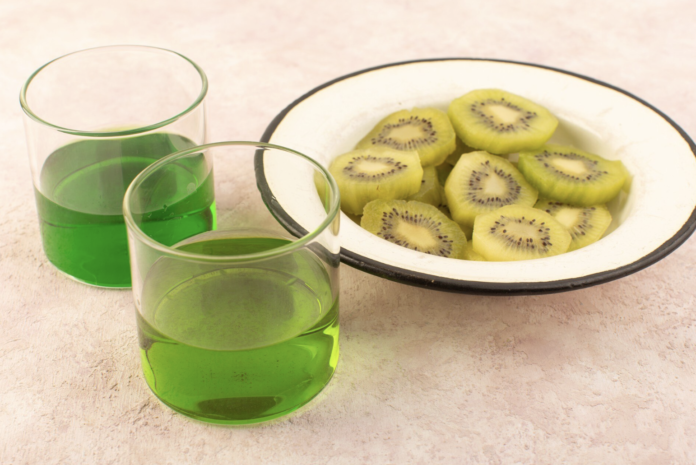
The enzyme inside kiwifruit does something no probiotic pill can replicate — and your gut is waiting for it.
KEY STATISTICS
- A clinical trial published in the American Journal of Gastroenterology found that two kiwifruit per day significantly increased bowel movement frequency within four weeks — outperforming psyllium husk supplementation.
- Actinidin, the proteolytic enzyme unique to kiwifruit, has been shown in research to break down key dietary proteins up to 40% more efficiently than digestion without it.
- Studies suggest that up to 70% of adults with functional gut discomfort report no lasting improvement from standard probiotic supplements alone.
You have tried the expensive probiotic capsules. You have added yoghurt to every meal and still feel sluggish, bloated, or unpredictably backed up. The problem may not be your microbiome — it may be what your gut is missing before those bacteria even get a chance to work.
What Actinidin Actually Does
Kiwifruit contains a proteolytic enzyme called actinidin that is found in very few other foods at meaningful levels. This enzyme works directly in the stomach and small intestine to break down proteins — particularly from meat, dairy, and legumes — into smaller fragments that your gut can absorb and process far more easily.
This matters because undigested protein sitting in the colon feeds the wrong kind of bacteria, contributing to gas, inflammation, and irregular transit. Actinidin effectively reduces that fermentation burden before it starts.
Kiwifruit also delivers a specific type of prebiotic fibre that feeds beneficial bacteria like Lactobacillus and Bifidobacterium — the same strains found in most probiotic supplements. The difference is that kiwifruit provides the food those bacteria need to thrive, while a capsule simply drops more bacteria into an environment that may not sustain them.
Research published in the journal Nutrients found that kiwifruit polysaccharides improved gut lining integrity by supporting the mucus layer that lines your intestinal wall. A healthier gut lining means fewer unwanted substances crossing into the bloodstream — something probiotic supplements have not been shown to replicate consistently.
Why Your 30s Matter
Adults aged 25 to 35 tend to assume gut problems are something to deal with later in life. But this decade is when dietary habits, stress levels, and antibiotic exposure quietly begin to reshape the gut environment in ways that compound over time.
High-protein diets are increasingly popular in this age group — for muscle building, weight management, or simply following trending nutrition advice. Without adequate enzymatic support, that extra protein can slow digestion, increase gut fermentation, and disrupt bowel regularity in ways that feel minor now but set a problematic pattern.
Frequent antibiotic use, common in the 20s and early 30s, strips the gut lining of protective mucus and reduces microbial diversity. Replenishing that environment takes more than a probiotic pill — it requires substrates and enzymes that support structural gut recovery, which is exactly where kiwifruit has a measurable edge.
Warning Signs to Watch For
- Bloating that appears within an hour of eating a protein-heavy meal
- Fewer than one comfortable bowel movement per day, or irregular and unpredictable transit
- Persistent low-grade nausea after eating, especially after dense meals
- Feeling full and heavy long after a meal should have been digested
- Probiotic supplements that seemed to help initially but no longer make a noticeable difference
What Actually Helps
Two green kiwifruit per day — with the skin on if you can tolerate it — is the dose used in most of the clinical research showing digestive benefit. The skin contains concentrated prebiotic fibre and additional antioxidants, and it is completely safe to eat once washed.
Timing matters more than most people realise. Eating kiwifruit before or alongside a protein-heavy meal allows actinidin to do its work in real time, breaking down proteins while they are still in the stomach. Eating kiwifruit as a late-night snack after digestion is largely complete reduces its enzymatic impact significantly.
If you rely on probiotic supplements, continue using them — but think of kiwifruit as the preparation work that makes those supplements more effective. You are feeding the bacteria the supplements deliver, and you are giving your gut lining the structural support it needs to host them properly.
Gold kiwifruit contains less actinidin than green kiwifruit. If gut enzyme support is your primary goal, green varieties are the better clinical choice, though both offer meaningful nutritional value.
Action Plan Checklist
- Eat two green kiwifruit daily — ideally before or with your highest-protein meal of the day
- Try eating the skin: wash well and eat as you would an apple for an extra prebiotic fibre boost
- Track your bowel transit for two weeks before and after adding kiwifruit to notice any shift in regularity
- If you take a probiotic supplement, take it alongside or shortly after your kiwifruit to improve the environment for those bacteria
- Reduce reliance on protein powders as your only protein source — whole food proteins are more compatible with actinidin digestion
The Stress-Digestion Connection
Chronic stress is one of the most underestimated drivers of poor gut enzyme function. When your cortisol is elevated — which is common in the 25 to 35 age bracket due to career pressure, financial stress, and disrupted sleep — your body reduces digestive enzyme secretion as part of its fight-or-flight response.
This means the food you eat is less thoroughly broken down, your gut transit slows, and the prebiotic fibre you consume has less impact because your gut bacteria are working in a compromised environment. Kiwifruit helps compensate for some of this enzyme deficit externally, but it works best when your nervous system is not chronically in a state of alarm.
Building a short wind-down routine before meals — even five minutes of slow breathing — can measurably improve digestive enzyme output. Pairing that habit with daily kiwifruit consumption gives your gut two overlapping advantages that no supplement can provide on its own.
Bottom Line
Probiotic supplements have genuine value, but they address only one part of the gut health equation. Kiwifruit supplies the enzyme your stomach needs to process protein properly, the prebiotic fibre your gut bacteria need to survive, and the structural support your intestinal lining needs to stay intact — all from two pieces of fruit a day. For adults in their 20s and 30s building long-term digestive health, that is a meaningful foundation to add before reaching for another capsule.
Always consult a qualified healthcare provider before making changes to your health routine.
Sources
- Effect of kiwifruit consumption on colonic transit, bowel function and gut microbiota in constipation: a randomised controlled trial — American Journal of Gastroenterology
- Actinidin enhances gastric protein digestion as assessed using an in vitro gastric digestion model — Journal of Agricultural and Food Chemistry
- Kiwifruit prebiotic fibre and its effects on gut microbiome composition and gut lining integrity — Nutrients
- Green kiwifruit versus psyllium for bowel function in adults with functional constipation — American Journal of Gastroenterology
- Gut microbiota and probiotic supplementation: clinical evidence and limitations — NIH National Library of Medicine