
How olive oil and fish prevent the vision loss that affects 1 in 3 seniors.
KEY STATISTICS
- Age-related macular degeneration affects 196 million people worldwide by 2020
- Mediterranean diet reduces macular degeneration risk by 41% in clinical studies
- Vision loss costs the US economy $139 billion annually in healthcare and productivity
Your eyes are quietly aging faster than the rest of your body. While you’re focused on preventing heart disease and diabetes, the tiny blood vessels in your retina are already showing signs of wear that could steal your central vision in your 50s and 60s. The Mediterranean diet isn’t just heart-healthy — it’s one of the most powerful tools for preserving the sharp, clear eyesight you’ll need for decades to come.
How Your Eyes Age
Age-related macular degeneration happens when the macula — the part of your retina responsible for sharp central vision — deteriorates over time. This process starts with inflammation and oxidative stress damaging the delicate photoreceptor cells.
The Mediterranean diet fights this damage through specific nutrients that act like internal sunglasses for your retina. Omega-3 fatty acids from fish reduce inflammation in retinal blood vessels, while antioxidants from olive oil and colorful vegetables neutralize free radicals before they can damage vision cells.
Lutein and zeaxanthin, found in leafy greens and eggs, actually concentrate in the macula to form a protective yellow pigment layer. This natural filter blocks harmful blue light and prevents the cellular damage that leads to vision loss.
Why Prevention Starts Now
Your 20s and 30s are when macular degeneration prevention matters most, even though symptoms won’t appear for decades. The damage accumulates silently over time, making early intervention crucial.
Young adults today face unique vision risks that previous generations didn’t. Extended screen time increases blue light exposure, while processed diets lack the protective nutrients your retina needs. Starting Mediterranean eating patterns now builds the antioxidant reserves your eyes will need later.
Genetics load the gun, but lifestyle pulls the trigger. If you have family history of vision loss, your diet becomes even more critical for preventing the inflammatory processes that accelerate retinal aging.
Early Vision Warning Signs
- Difficulty reading small text or seeing fine details clearly
- Need for brighter lighting when reading or doing close work
- Trouble distinguishing colors, especially in low light
- Seeing straight lines as wavy or distorted
- Dark or empty areas appearing in central vision
Foods That Protect Vision
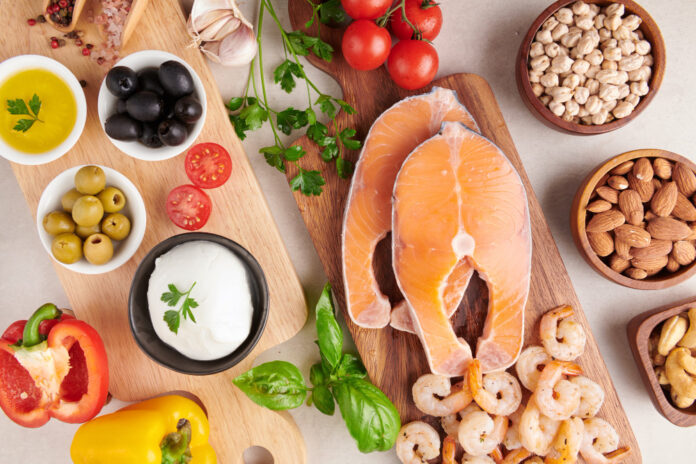
The Mediterranean approach to vision protection centers on specific nutrient-dense foods rather than restrictions. Wild-caught fatty fish like salmon and sardines provide the omega-3s your retinal blood vessels need to stay healthy.
Extra virgin olive oil supplies vitamin E and polyphenols that protect against oxidative damage. Use it as your primary cooking fat and salad dressing to maximize absorption of fat-soluble vitamins. Dark leafy greens like spinach, kale, and arugula deliver lutein and zeaxanthin directly to your macula.
Colorful vegetables and fruits provide a spectrum of antioxidants that work together more effectively than isolated supplements. Aim for at least five different colors on your plate each day to cover the full range of protective compounds your eyes need.
Weekly Vision Protection Plan
- Eat fatty fish twice weekly — salmon, mackerel, or sardines
- Replace butter and vegetable oils with extra virgin olive oil
- Include dark leafy greens in one meal daily
- Add eggs to your weekly routine for lutein and zeaxanthin
- Snack on nuts, especially almonds and walnuts, 4-5 times per week
The Sleep Connection
Sleep quality directly affects your vision protection efforts through its impact on cellular repair and inflammation levels. Poor sleep increases inflammatory markers that accelerate retinal damage, while adequate rest allows your eyes to clear metabolic waste.
Your circadian rhythm also regulates antioxidant production in retinal cells. Disrupted sleep patterns from screen time or irregular schedules can reduce your eyes’ natural protective mechanisms. Aim for 7-9 hours of consistent sleep and limit blue light exposure 2 hours before bedtime.
Even the best Mediterranean diet can’t fully compensate for chronic sleep deprivation’s effects on vision health. Prioritize both nutrition and rest for maximum eye protection.
Bottom Line
Vision loss isn’t inevitable with aging — it’s largely preventable through the right nutritional choices starting now. The Mediterranean diet provides your retina with the specific nutrients it needs to resist decades of accumulated damage. Small changes to your eating patterns today can preserve the sharp, clear vision you’ll want at 70.
Always consult a qualified healthcare provider before making changes to your health routine.
Sources
- Mediterranean Diet and Age-Related Macular Degeneration — JAMA Ophthalmology
- Dietary Antioxidants and Primary Prevention of Age Related Macular Degeneration — BMJ
- Lutein and Zeaxanthin in Eye and Skin Health — Harvard Health Publishing

