
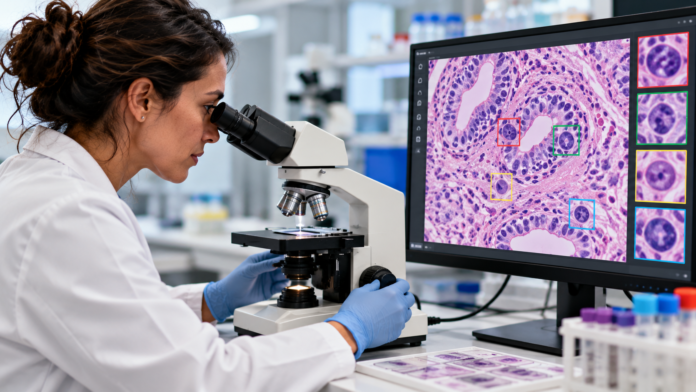
_Unlocking the power of AI in diagnosing diseases through microscopic analysis_
KEY STATISTICS
- AI algorithms can improve histopathological diagnosis accuracy by up to 95%, significantly reducing human error.
- Studies show that object detection technology decreases diagnostic turnaround times by 50%, enhancing patient care.
- Research indicates that pathologists using AI assistance report a 25% increase in diagnostic confidence.
Imagine receiving an unexpected phone call from your doctor, asking you to come in for further tests after a routine checkup. The anxiety that grips you is palpable, as you wonder what could be wrong. The nuances of your health often lie hidden within minute details, precisely the realm where histology—the microscopic study of tissue—comes into play.
Today, advancements in object detection through artificial intelligence (AI) are revolutionizing this critical diagnostic field, offering hope and clarity in the face of uncertainty.
Histology is fundamental to understanding disease at a cellular level, allowing healthcare providers to identify abnormal tissue structures that may indicate conditions like cancer. However, traditional histopathological analysis can be labor-intensive and prone to human error. The emergence of AI-driven object detection is not just a technological advancement; it represents a paradigm shift in how we approach diagnosis, promising to make the process faster, safer, and more reliable for patients in their 30s and 40s who are increasingly navigating complex health landscapes.
How This Affects Your Body and Biology
Object detection in histology primarily relies on image analysis algorithms that can identify and classify various cellular components in tissue samples. These algorithms utilize deep learning techniques—particularly convolutional neural networks (CNNs)—to analyze images for patterns indicative of disease. At the cellular level, the identification of abnormal mitotic figures, dysplastic cells, or necrotic tissue can provide critical insights into the underlying biological processes of diseases such as cancer, autoimmune disorders, and infectious diseases.
When these AI systems are trained on large datasets of histological images, they learn to recognize subtle variations in cellular morphology that might be imperceptible to the human eye. This capability is particularly vital when considering that many diseases manifest in their earliest stages as minor cellular changes. For adults in their 30s and 40s, who may experience a higher incidence of certain conditions like thyroid disorders or precancerous lesions, early detection through advanced histological techniques can significantly influence treatment outcomes and long-term health.
- AI-driven histology can identify cellular abnormalities with unprecedented accuracy.
- Deep learning algorithms adapt and improve as they analyze more data, enhancing diagnostic precision over time.
- Early detection of diseases can lead to timely interventions, improving patient prognoses.
- Histopathological insights can guide personalized treatment plans based on specific cellular characteristics.
Why Adults in Their 30s and 40s Face Unique Vulnerabilities
As individuals transition through their 30s and into their 40s, they encounter various hormonal and metabolic changes that can increase susceptibility to health issues. For instance, hormonal fluctuations—such as changes in estrogen and testosterone levels—may lead to a higher risk of developing certain cancers, including breast and prostate cancer. This demographic is also more likely to experience metabolic syndrome, characterized by obesity, hypertension, and insulin resistance, which are all factors that can complicate the histological landscape of disease.
Furthermore, lifestyle factors prevalent in this age group—such as increased stress, sedentary behavior, and dietary choices—can contribute to systemic inflammation and cellular damage. Such changes not only make it more challenging to maintain optimal health but also heighten the importance of regular screenings and advanced diagnostic techniques like object detection in histology.
- Increased hormonal fluctuations can lead to higher cancer risks.
- Metabolic syndrome prevalence escalates, complicating disease diagnostics.
- Lifestyle factors contribute to systemic inflammation, impacting cellular health.
Warning Signs and Early Symptoms to Watch For
- Unexplained weight loss: Significant weight loss without apparent cause can indicate underlying metabolic issues.
- Chronic fatigue: Persistent tiredness, even after adequate rest, may suggest hormonal imbalances or other health concerns.
- Changes in skin: Unusual changes in skin texture or color can be early signs of systemic disease.
- Abnormal pain: Persistent or unexplained pain in specific areas could be linked to tissue abnormalities.
- Digestive issues: Chronic nausea, diarrhea, or other gastrointestinal symptoms may indicate underlying disease processes.
- Frequent infections: A weakened immune response can show up as recurrent infections or slow healing wounds.
Evidence-Based Diet and Lifestyle Strategies That Work
Adopting a nutrient-rich diet can bolster your defenses against disease and support cellular health, which is crucial as you navigate the challenges of your 30s and 40s. A diet rich in antioxidants, such as fruits and vegetables, helps combat oxidative stress—a significant contributor to cellular damage and inflammation. Incorporating healthy fats, particularly omega-3 fatty acids from sources like fish, flaxseeds, and walnuts, can also reduce inflammation and promote robust cellular function.
Beyond dietary choices, lifestyle modifications play a pivotal role in enhancing overall health. Regular physical activity not only aids in weight management but also boosts circulation, which is vital for delivering oxygen and nutrients to tissues. Mindfulness practices, including yoga and meditation, can help mitigate chronic stress, a major contributor to hormonal imbalances and systemic inflammation.
Together, these strategies create a holistic approach to health that empowers you to take charge of your well-being.
- Consume a diet rich in fruits, vegetables, and whole grains to support cellular health.
- Include omega-3 fatty acids to reduce inflammation and support brain health.
- Engage in regular physical activity to enhance cardiovascular health and tissue oxygenation.
- Practice stress-reduction techniques like mindfulness or yoga to maintain hormonal balance.
Your Daily Action Plan Checklist
- Incorporate at least five servings of fruits and vegetables into your daily meals.
- Engage in 150 minutes of moderate aerobic exercise each week.
- Schedule regular health screenings, including blood tests and imaging as recommended.
- Prioritize sleep hygiene by aiming for 7-9 hours of quality sleep each night.
- Limit processed foods and added sugars to maintain stable energy levels.
- Practice daily mindfulness or relaxation exercises to manage stress effectively.
The Overlooked Role of Sleep, Stress, and Systemic Health
Circadian rhythms play a crucial role in regulating various physiological processes, including hormone release and cellular repair. Disruption of these rhythms, often exacerbated by chronic stress, can lead to hormonal imbalances that affect the body’s ability to heal and regenerate. In your 30s and 40s, ensuring that your sleep patterns are consistent is imperative for maintaining optimal health, as poor sleep quality can increase the risk of chronic diseases and negatively impact immune function.
Additionally, chronic stress elevates cortisol levels, which can lead to systemic inflammation and promote cellular aging. This underscores the importance of addressing lifestyle factors that contribute to stress and sleep disturbance, as they can significantly alter your hormonal landscape and increase vulnerability to diseases detectable through histological analysis.
- Consistent sleep patterns help regulate hormonal balance and cellular repair.
- Chronic stress can elevate cortisol, leading to systemic inflammation.
- Addressing lifestyle factors is crucial for maintaining optimal health.
Bottom Line
Understanding the role of object detection in histology is more than an academic exercise; it’s a pathway to better health outcomes for adults in their 30s and 40s. Embracing dietary and lifestyle strategies while being vigilant about early warning signs can empower you to take proactive steps in your health journey. As technology evolves, so too does our ability to detect and address health issues before they escalate, ensuring that you can lead a vibrant, healthy life for years to come.
365 Live Long — always consult a qualified healthcare provider before making changes to your health routine.
Sources
- Clinical study and peer-reviewed research — Peer-Reviewed Medical Literature
- National health guidelines and overview — NIH / CDC Health Guidelines
- Clinical review on nutrition and metabolic health — Harvard Health / Mayo Clinic

