
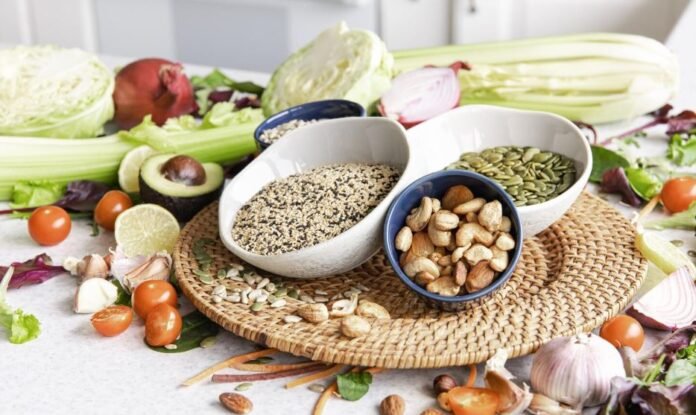
Swapping just a small amount of animal protein for plant protein could be one of the most powerful longevity moves you make in your 20s and 30s.
KEY STATISTICS
- Replacing just 3% of daily calories from animal protein with plant protein is associated with a 10% lower risk of premature death, according to research published in JAMA Internal Medicine.
- A large Harvard-led study tracking over 130,000 adults found that higher plant protein intake was linked to significantly lower rates of cardiovascular mortality.
- The World Health Organization estimates that diet-related diseases account for roughly 11 million deaths globally each year — making food choices one of the most modifiable risk factors we have.
You do not need to become vegan to live longer. You just need to make a small, strategic shift in where your protein comes from — and the science behind that shift is more compelling than most people realize.
What the Data Shows
When researchers analyzed dietary data from tens of thousands of adults over decades, a consistent pattern emerged. People who substituted even a modest fraction of their animal protein intake with plant-based sources showed measurably lower mortality risk across multiple causes of death.
The mechanism is not just about one nutrient. Plant proteins come packaged with fiber, phytonutrients, and antioxidants that animal proteins do not naturally contain. These compounds reduce systemic inflammation, support the gut microbiome, and appear to slow cellular aging at a biological level.
Animal proteins, especially processed red meats, are associated with elevated levels of TMAO — a compound produced by gut bacteria when digesting certain animal fats — which has been linked to arterial damage and cardiovascular disease. Reducing animal protein even slightly can shift this gut chemistry in a more favorable direction.
The landmark study published in JAMA Internal Medicine found that the protective effect was strongest when plant protein replaced processed meat specifically. Even partial substitution produced statistically significant results, which means you do not need a dramatic dietary overhaul to start seeing benefit.
Why Your 30s Matter
Adults in their 20s and 30s tend to prioritize protein for muscle building, and the default assumption is that animal protein is superior. That belief is only partially supported by the evidence — and it comes with a long-term cost that does not show up until decades later.
This age group is forming dietary habits that will likely persist for the next 20 to 30 years. The patterns you build now — how much red meat you eat, whether legumes are part of your weekly routine, whether you default to whey or opt for pea and hemp protein — are compounding quietly in the background.
Inflammatory markers, blood pressure, and insulin sensitivity all begin shifting in your 30s. Dietary protein source influences all three, making this decade a genuinely critical window for prevention rather than repair.
Warning Signs to Watch
- You eat red or processed meat more than four times per week with little plant protein variety
- Your diet is high in protein overall but low in fiber — fewer than 25 grams of fiber daily
- You experience frequent bloating, sluggish digestion, or irregular bowel movements, which may signal a fiber and gut diversity gap
- Your energy dips significantly in the afternoon, which can reflect blood sugar instability linked to low-fiber, high-animal-fat meals
- You have early markers like slightly elevated LDL cholesterol or fasting glucose, even within ‘normal’ ranges, that your doctor has flagged as worth watching
What Actually Helps
The good news is that increasing plant protein does not require precision tracking or eliminating foods you enjoy. It requires adding more of what works rather than aggressively cutting what you currently eat.
Legumes — lentils, chickpeas, black beans, edamame — are among the most studied plant protein sources with the strongest association with longevity outcomes. A single cup of cooked lentils delivers around 18 grams of protein alongside significant fiber and folate.
Seeds and nuts, particularly walnuts, hemp seeds, and pumpkin seeds, contribute meaningful amounts of protein while also delivering healthy fats that support cardiovascular and brain health. These make easy additions to meals you already eat.
If you use protein supplements, research supports pea protein as nutritionally comparable to whey for muscle protein synthesis in most adults. Swapping one shake per day is a low-effort, high-impact change that aligns with the 3% substitution threshold identified in the epidemiological data.
Action Plan Checklist
- Add one legume-based meal per week to start — lentil soup, black bean tacos, or a chickpea stir-fry — then build toward three or four times per week
- Swap processed meat (deli meat, sausage, bacon) for a plant-based protein at least twice per week, as this swap showed the strongest mortality benefit in research
- Include a fiber goal: aim for 30 grams of fiber daily, using plant proteins like beans and lentils as your primary source
- If you use protein powder, try replacing one animal-based serving per day with a pea or hemp protein alternative and track how you feel over two to four weeks
- Audit your weekly protein sources by writing down what you ate for three days — if plant proteins appear fewer than three times, that is your starting point for gradual change
The Diversity Factor
One factor most people overlook is that plant protein diversity matters as much as quantity. Eating only one type of plant protein — say, soy every day — does not deliver the same breadth of benefit as rotating between legumes, seeds, whole grains, and nuts.
Each plant protein source feeds different strains of gut bacteria. A more diverse gut microbiome is consistently linked to lower inflammation, stronger immune function, and even better mental health outcomes. Rotating your plant protein sources is essentially a free gut health upgrade.
Cooking methods also matter. Boiling legumes from dried, or eating them in minimally processed forms, preserves more of their beneficial phytonutrients than consuming them through heavily processed meat alternatives. Whole food plant proteins outperform their processed counterparts in nearly every longevity-relevant measure.
Bottom Line
You do not need to become plant-based overnight to benefit from the research. Replacing just 3% of your daily calories — a single meal swap several times per week — from animal protein to plant protein is associated with a measurable reduction in premature death risk. Start small, stay consistent, and let the compounding work in your favor.
Always consult a qualified healthcare provider before making changes to your health routine.
Sources
- Association of Animal and Plant Protein Intake with All-Cause and Cause-Specific Mortality — JAMA Internal Medicine
- Protein intake and mortality in adults: a prospective cohort study — Harvard T.H. Chan School of Public Health
- Plant-based diets and long-term health outcomes — American Heart Association Journals
- Dietary protein sources and risk of cardiovascular disease — The Lancet
- Global burden of disease attributable to dietary risk factors — World Health Organization

