
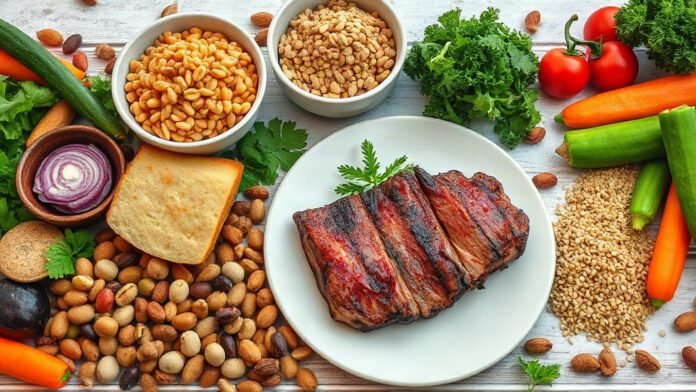
Longitudinal research shows that shifting even partially toward plant-based protein in your thirties could meaningfully lower your risk of early death by midlife.
KEY STATISTICS
- Adults who replaced just 3% of calories from animal protein with plant protein showed a 10% lower all-cause mortality risk, according to research published in JAMA Internal Medicine.
- A Harvard-led study tracking over 130,000 adults found that high animal protein intake was associated with a 19% higher risk of cardiovascular death when protein came primarily from processed red meat.
- The World Health Organization classifies processed red meat as a Group 1 carcinogen, meaning there is sufficient evidence linking it to colorectal cancer risk in regular consumers.
Most people in their thirties are not thinking about mortality markers — they are thinking about energy, performance, and getting through the week. But the protein choices you make right now, every single day, are quietly shaping your risk profile for heart disease, cancer, and early death decades before those conditions show up on a scan.
What Protein Source Does
Protein is essential — that part is not up for debate. Every cell in your body depends on amino acids to repair tissue, regulate hormones, and keep your immune system functional.
The debate is about the source. Animal proteins are considered complete, meaning they contain all nine essential amino acids in proportions the body uses efficiently. But they also come packaged with saturated fat, heme iron, and in the case of processed meats, nitrates and sodium that drive chronic inflammation.
Plant proteins — found in legumes, lentils, tofu, tempeh, edamame, quinoa, and seeds — tend to arrive with fibre, antioxidants, and phytochemicals that actively reduce inflammation. Research published in JAMA Internal Medicine found that swapping even small amounts of animal protein for plant protein was associated with measurably lower all-cause mortality over time.
The mechanism is not mysterious. Reduced saturated fat intake lowers LDL cholesterol. Higher fibre intake feeds beneficial gut bacteria.
Lower heme iron intake reduces oxidative stress on blood vessels. These are compounding advantages that build across decades.
Why Your Thirties Matter
Your thirties feel like peak health for most people, and in many ways they are. But this is also the decade when arterial plaque begins accumulating silently, when insulin sensitivity starts to quietly decline, and when chronic low-grade inflammation begins laying the groundwork for diseases that will not announce themselves for another twenty years.
Research consistently shows that dietary patterns established in early adulthood have a stronger influence on long-term mortality than changes made later in life. The habits you build between 25 and 35 essentially programme your biology going forward.
This age group also tends to eat protein strategically — for gym gains, satiety, or convenience — without considering source quality. Protein shakes made from whey, daily chicken and eggs, and frequent red meat consumption are common patterns that may be efficient in the short term but carry cumulative risks over decades.
Warning Signs to Watch
- Frequent bloating or sluggish digestion after high-meat meals, which may indicate low fibre intake and a less diverse gut microbiome
- Consistently high LDL cholesterol readings in your annual blood work, especially when paired with a diet heavy in processed or red meat
- Low energy in the afternoon despite adequate total calories, which can indicate poor blood sugar regulation linked to low-fibre, high-fat protein sources
- Skin that appears dull or inflamed without a clear cause, which may reflect elevated systemic inflammation from dietary patterns
- A diet with fewer than two servings of legumes, lentils, or plant-based protein sources per week — a pattern associated with missed longevity benefits in longitudinal studies
What Actually Helps
The good news is that you do not have to go fully plant-based to benefit. The research is clear that partial substitution — not elimination — is enough to shift your risk profile meaningfully.
Start with what researchers call a protein swap strategy. Replace one or two animal protein servings per day with plant alternatives. Lentil soup instead of a beef-based dish.
Edamame or a bean salad instead of processed deli meat at lunch. Tofu stir-fry instead of chicken two nights a week.
Legumes are the most studied plant protein in longevity research. They are high in fibre, protein, potassium, and folate, and they have a low glycaemic index, meaning they stabilise blood sugar rather than spike it. Populations with the longest average lifespans — Blue Zones like Sardinia, Okinawa, and Loma Linda — eat legumes as a daily staple.
Soy-based proteins deserve particular attention. Tofu, tempeh, and edamame are complete proteins — meaning they contain all essential amino acids — and they are associated with reduced cardiovascular risk. Tempeh in particular is fermented, adding gut-health benefits on top of its protein content.
Action Plan Checklist
- Audit your current protein sources for one week — log where your protein is actually coming from and identify where animal sources dominate
- Add one serving of legumes per day, whether lentils, chickpeas, black beans, or edamame — aim for at least 100g cooked per serving
- Replace processed red meat with a plant protein at least three times per week — this single swap is linked to meaningful mortality risk reduction in longitudinal data
- Try tempeh or tofu as your primary protein in one dinner per week and experiment with marinades to make it genuinely satisfying
- If you use protein supplements, consider a high-quality pea or rice protein blend at least a few days per week as an alternative to daily whey
The Gut Connection Factor
There is one overlooked factor that makes plant proteins even more powerful: their effect on the gut microbiome. A diverse gut microbiome is directly linked to lower systemic inflammation, stronger immune regulation, and even better mental health outcomes.
Animal proteins — particularly processed and red meat — have been shown to feed bacteria that produce compounds called trimethylamine N-oxide, or TMAO, which is associated with increased cardiovascular risk. Plant proteins, especially legumes, feed fibre-fermenting bacteria that produce short-chain fatty acids — compounds that protect the gut lining and reduce inflammatory signalling throughout the body.
This gut connection means that the longevity benefits of plant proteins are not just about cardiovascular health or cancer risk. They extend to cognitive function, immune resilience, and even mood stability — areas that matter to people in their thirties right now, not just decades from now.
Bottom Line
You do not need to overhaul your entire diet or give up every animal protein to start benefiting from the evidence. Shifting even 20 to 30 percent of your protein intake toward plant sources — consistently, over months and years — is enough to move your mortality risk markers in a meaningful direction. The time to start building that habit is now, not at fifty.
Always consult a qualified healthcare provider before making changes to your health routine.
Sources
- Association of Animal and Plant Protein Intake With All-Cause and Cause-Specific Mortality — JAMA Internal Medicine
- Red Meat Consumption and Mortality: Results from Two Prospective Cohort Studies — Archives of Internal Medicine (Harvard Health)
- Plant-Based Diets and Long-Term Health Outcomes — Nutrients — National Library of Medicine
- Carcinogenicity of Consumption of Red and Processed Meat — The Lancet Oncology
- Gut Microbiota and TMAO in Cardiovascular Disease Risk — Nature Medicine

