
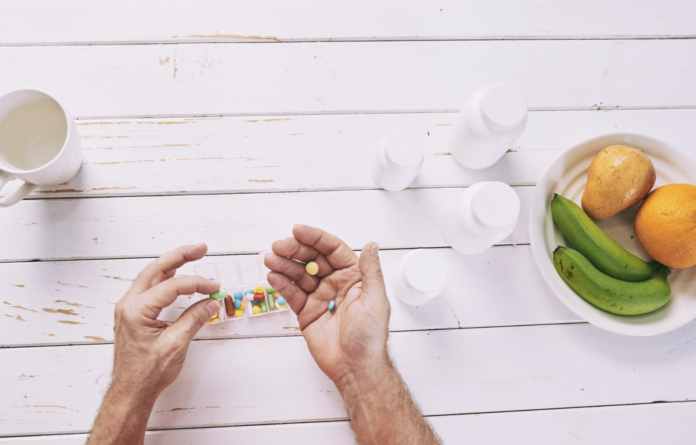
The most powerful longevity compounds on earth are already in your kitchen — and they work better than anything in a bottle.
KEY STATISTICS
- Over 8,000 polyphenol compounds have been identified in plant foods, according to the NIH Phenol-Explorer database — most supplements contain fewer than five.
- Research published in the American Journal of Clinical Nutrition found that high dietary polyphenol intake was associated with a 30% lower risk of all-cause mortality in adults followed over 12 years.
- The global dietary supplement industry is worth over $150 billion annually, yet clinical trials consistently show whole food polyphenols outperform isolated extracts in activating cellular repair pathways.
Most people in their late twenties and thirties are quietly spending money on supplements they do not need — while ignoring the compounds that peer-reviewed science consistently ranks as the most potent longevity tools available. Polyphenols, found in everyday foods like berries, olive oil, dark chocolate, and green tea, activate the same biological pathways that researchers are racing to replicate in anti-aging drugs. The kicker: you can access them for a few dollars a week at any grocery store.
How Polyphenols Work Inside You
Polyphenols are a broad class of plant-derived molecules that do something remarkable inside the human body — they act as biological switches, turning on cellular repair systems that your body uses to slow aging at the molecular level.
Two pathways matter most here: AMPK and sirtuins. AMPK is often called the body’s energy sensor; when activated, it triggers fat burning, reduces inflammation, and prompts the clearance of damaged cells — a process called autophagy. Sirtuins are a family of proteins linked directly to lifespan extension, DNA repair, and resistance to oxidational stress.
Polyphenols — particularly resveratrol in grapes, quercetin in onions and apples, and EGCG in green tea — have been shown in multiple studies to activate both AMPK and sirtuin pathways. This is not a fringe finding. It is the basis of serious pharmaceutical research, yet the foods delivering these compounds are entirely ordinary.
When you eat a handful of blueberries, you are not just getting antioxidants. You are sending a complex chemical signal into your cells that influences gene expression, mitochondrial function, and inflammatory response simultaneously. No single supplement capsule replicates that cascading effect.
Why Your Thirties Matter
Adults aged 25 to 35 are in a deceptive window. The body still recovers well, energy levels feel manageable, and most chronic disease markers have not yet surfaced — so it is easy to assume nothing needs attention yet.
But this is precisely when polyphenol intake matters most. Cellular aging, oxidative stress accumulation, and low-grade inflammation begin building years before any symptoms appear. Research from the National Institute on Aging suggests that the dietary patterns established in your thirties are among the strongest predictors of biological age in your fifties.
Younger adults today also face a specific challenge: ultra-processed food consumption is at an all-time high in the 25–35 demographic, which means polyphenol intake is lower than any previous generation at this age. The gap between what the body needs and what most people are eating is widening — quietly.
Warning Signs to Watch For
- Persistent low-grade fatigue that sleep does not fully resolve — a possible sign of mitochondrial inefficiency that polyphenols help address
- Frequent mild inflammation responses such as joint stiffness, slow workout recovery, or recurring skin breakouts
- Poor concentration or mental fog in the afternoon, which may reflect oxidative stress affecting brain function
- Digestive irregularity or bloating — polyphenols feed beneficial gut bacteria, and a deficiency can disrupt microbiome balance
- A diet built mostly around processed, packaged, or restaurant food with few whole plant sources across the day
What Actually Helps Most
The highest-polyphenol foods are not exotic or expensive. Cloves, peppermint, star anise, cocoa powder, flaxseeds, black elderberries, dark cherries, blueberries, and extra virgin olive oil all rank at the top of the Phenol-Explorer database. Many of these are pantry staples.
Variety matters as much as quantity. Different polyphenol classes — flavonoids, phenolic acids, stilbenes, lignans — activate different pathways and work synergistically. Eating the same single source every day does not replicate the effect of a diverse plant-rich diet.
Bioavailability is a key factor that supplement manufacturers often overlook. Many polyphenols are poorly absorbed in isolation but become significantly more bioavailable when consumed alongside healthy fats. This is why extra virgin olive oil drizzled over vegetables, or dark chocolate paired with nuts, delivers measurably more benefit than the equivalent extract in a capsule.
Cooking method also matters. Light steaming generally preserves polyphenol content better than boiling, which leaches water-soluble compounds. Raw consumption of many fruits and vegetables retains the highest concentrations.
Small practical choices compound significantly over time.
Action Plan Checklist
- Add at least one high-polyphenol food to every meal — berries at breakfast, a handful of walnuts at lunch, olive oil on dinner vegetables
- Drink one to two cups of green tea or black coffee daily — both are among the most accessible high-polyphenol beverages with strong research support
- Replace refined snacks with dark chocolate (70% cocoa or higher), fresh fruit, or olives — small swaps that dramatically increase daily polyphenol load
- Use extra virgin olive oil as your primary cooking and dressing fat — it contains oleocanthal and oleuropein, both proven AMPK activators
- Aim for at least five different plant food colours across the day — each colour family represents a different polyphenol class with distinct biological benefits
The Factor Nobody Mentions
There is one factor that quietly undermines polyphenol effectiveness in this age group: chronic psychological stress. Elevated cortisol has been shown in NIH-published research to suppress the very AMPK and sirtuin signalling pathways that polyphenols work to activate.
This means you can eat a near-perfect polyphenol-rich diet and still see blunted results if your nervous system is running in a constant stress response. Sleep deprivation compounds this further — poor sleep reduces the body’s ability to use polyphenol-derived signals for cellular repair during the overnight recovery window.
The practical takeaway is this: polyphenols are not a standalone fix. They are most powerful when paired with adequate sleep, managed stress, and reduced alcohol intake — because alcohol directly degrades the gut microbiome bacteria that metabolise many polyphenol compounds into their active forms.
Bottom Line
Polyphenols are not a trend or a marketing category — they are a fundamental class of compounds your biology is designed to use, found in foods you can buy today without a prescription or a premium price tag. The evidence behind them is stronger than most of what fills supplement shelves, and the daily dose required to activate longevity pathways is achievable through real food alone. Start with your next meal, not your next supplement order.
Always consult a qualified healthcare provider before making changes to your health routine.
Sources
- Dietary polyphenols and all-cause mortality in the PREDIMED cohort — American Journal of Clinical Nutrition
- Polyphenols and their effects on AMPK signalling pathways in metabolic disease — National Library of Medicine (NIH)
- Sirtuin biology and the role of dietary activators in aging — Cell Metabolism
- Bioavailability of dietary polyphenols: a review of mechanisms and food matrix effects — British Journal of Nutrition
- Phenol-Explorer: an online comprehensive database on polyphenol contents in foods — Database — NIH National Library of Medicine

