
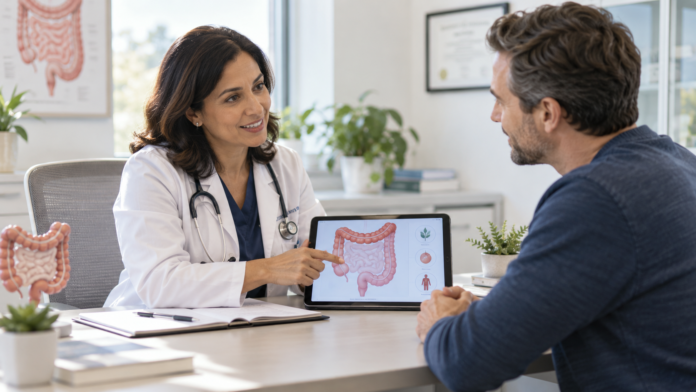
Unlocking personalized strategies to manage and thrive with IBD.
KEY STATISTICS
- Approximately 1.6 million Americans suffer from inflammatory bowel disease (IBD), with a significant number diagnosed in their 30s and 40s.
- Research indicates that up to 70% of individuals with IBD may experience symptoms that significantly affect their quality of life.
- Studies show that precision medicine approaches can improve treatment outcomes by over 30% compared to traditional methods.
Living with inflammatory bowel disease (IBD) can feel like navigating a complex maze. One moment, you might be enjoying a meal with friends, and the next, symptoms can erupt, leading to discomfort and anxiety. For many adults in their late 30s and early 40s, managing IBD becomes a daily balancing act, impacting not just physical health but also emotional wellbeing and social interactions.
How This Affects Your Body and Biology
Inflammatory bowel disease encompasses two main conditions: Crohn’s disease and ulcerative colitis, both characterized by chronic inflammation of the gastrointestinal tract. At the cellular level, IBD is marked by an inappropriate immune response where the body mistakenly attacks its own gut lining. This immune dysregulation leads to an influx of inflammatory mediators, including cytokines and chemokines, which exacerbate tissue damage and inhibit healing.
Over time, this chronic inflammation can result in significant structural changes to the intestines, including scarring and narrowing, which can lead to complications such as strictures and fistulas.
- IBD is driven by a complex interplay of genetic, environmental, and immune factors.
- Inflammation in IBD is mediated by T-cells and other immune cells that disrupt normal gut function.
- The gut microbiome plays a crucial role; dysbiosis (an imbalance of gut bacteria) is frequently observed in IBD patients.
- Precision medicine aims to tailor treatment based on individual genetic and microbiome profiles, leading to better management.
Why Adults in Their 30s and 40s Face Unique Vulnerabilities
Adults in their 30s and 40s often experience distinct vulnerabilities to inflammatory bowel disease, primarily due to hormonal and metabolic changes associated with this life stage. The body’s immune response can become dysregulated, influenced by factors such as stress, diet, and lifestyle. Hormone fluctuations, particularly related to stress and reproductive health, can exacerbate inflammation, making individuals more susceptible to flare-ups.
Additionally, the metabolic demands of this age group can lead to nutrient deficiencies, which are critical in maintaining gut health and overall immune function.
- Increased stress levels can lead to heightened inflammation and IBD symptoms.
- Nutritional deficiencies are common due to dietary habits that may neglect essential nutrients vital for gut health.
- Lifestyle factors, such as sedentary behavior and poor sleep, can contribute to the severity and frequency of IBD flare-ups.
Warning Signs and Early Symptoms to Watch For
- Abdominal pain: Persistent or severe cramps that occur regularly and might be accompanied by bloating.
- Diarrhea: Frequent, loose stools, sometimes mixed with blood or mucus.
- Fatigue: Unexplained tiredness that does not improve with rest, often tied to nutrient deficiencies.
- Weight loss: Unintentional weight loss due to malabsorption of nutrients or decreased appetite.
- Fever: Low-grade fever that may indicate an active inflammatory process.
- Rectal bleeding: Presence of blood in stool or rectal pain that requires medical evaluation.
Evidence-Based Diet and Lifestyle Strategies That Work
Adopting an evidence-based approach to diet and lifestyle can significantly improve outcomes for individuals with inflammatory bowel disease. Research suggests that a low-FODMAP diet can reduce symptoms in many patients, providing relief from bloating and gas. Incorporating anti-inflammatory foods, such as omega-3 rich fish, nuts, and leafy greens, can help modulate the immune response and decrease inflammation.
Regular physical activity is also vital; it not only improves metabolic health but can enhance mood and overall wellbeing, making it an essential part of managing IBD. Additionally, staying hydrated and considering supplements, such as probiotics or specific vitamins, can further support gut health.
- Follow a low-FODMAP diet to minimize digestive discomfort.
- Include anti-inflammatory foods like fatty fish, walnuts, and leafy greens in your meals.
- Engage in regular physical activity to enhance both physical and mental health.
- Stay well-hydrated and consider discussing supplementation with a healthcare provider.
Your Daily Action Plan Checklist
- Track your symptoms and dietary intake using a food diary.
- Stay organized with meal prep to ensure you have low-FODMAP options readily available.
- Incorporate at least 30 minutes of physical activity into your daily routine.
- Schedule regular check-ups with your healthcare provider to monitor your condition.
- Practice stress management techniques, such as meditation or yoga.
- Educate yourself about IBD through credible resources and support groups.
The Overlooked Role of Sleep, Stress, and Systemic Health
Sleep quality and stress management are often overlooked but play critical roles in managing inflammatory bowel disease. Chronic stress elevates cortisol levels, which can further exacerbate inflammation and gut permeability, leading to worsening symptoms. Poor sleep can disrupt the circadian rhythm, affecting the immune system’s function and increasing vulnerability to flare-ups.
Prioritizing good sleep hygiene and stress reduction techniques can help create a more stable internal environment, promoting better health outcomes for those managing IBD.
- Stress management techniques, such as mindfulness, can reduce the frequency of flare-ups.
- Quality sleep is essential for regulating immune function and reducing inflammation.
- Establishing a consistent sleep schedule can help restore circadian rhythms.
Bottom Line
Managing inflammatory bowel disease is a multifaceted journey that requires a personalized approach to care. By understanding the unique challenges faced by adults in their 30s and 40s and leveraging evidence-based dietary and lifestyle strategies, individuals can take charge of their health. Embracing precision medicine and holistic practices not only improves physical wellbeing but can also foster a positive outlook on life, empowering those affected by IBD to thrive amidst challenges.
365 Live Long — always consult a qualified healthcare provider before making changes to your health routine.
Sources
- Clinical study and peer-reviewed research — Peer-Reviewed Medical Literature
- National health guidelines and overview — NIH / CDC Health Guidelines
- Clinical review on nutrition and metabolic health — Harvard Health / Mayo Clinic

