
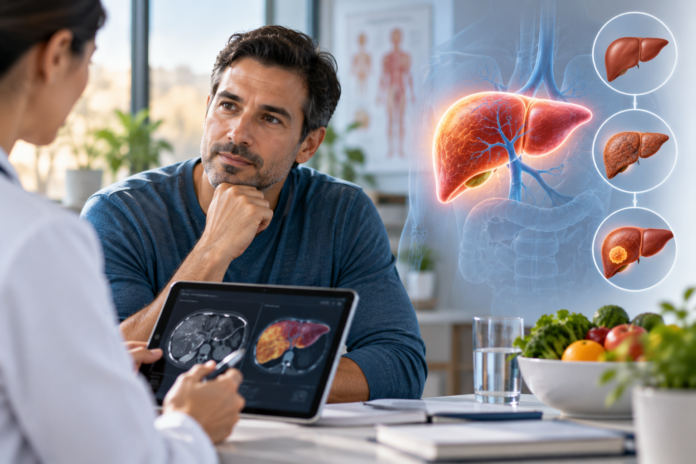
Understanding how to safeguard your liver health amidst the challenges of hepatocellular carcinoma.
KEY STATISTICS
- Hepatocellular carcinoma (HCC) accounts for approximately 75% of all liver cancer cases and is the fastest-growing cancer in the U.S.
- About 70% of patients with HCC have underlying cirrhosis, emphasizing the need for proactive liver health management.
- The survival rate for HCC is around 18%, highlighting the critical importance of early detection and intervention.
Imagine waking up feeling fatigued, your appetite dwindling, and experiencing unexplained abdominal discomfort. For many adults navigating the challenges of work and family, these symptoms might be dismissed as stress or aging. However, they could be early indicators of a more severe health issue like hepatocellular carcinoma (HCC), a primary form of liver cancer that often develops silently until it reaches advanced stages.
The liver plays a pivotal role in detoxifying the body, producing vital proteins, and regulating metabolism. When compromised by HCC, its functionality diminishes, leading to significant health challenges. Understanding how to preserve liver function, especially in the face of HCC, is crucial for adults in their 30s and 40s, a demographic that may be unknowingly vulnerable due to lifestyle factors, metabolic changes, and genetic predispositions.
How This Affects Your Body and Biology
The liver is a multifaceted organ responsible for over 500 vital functions, including metabolism of carbohydrates, proteins, and fats, alongside detoxification of harmful substances. When hepatocellular carcinoma develops, malignant cells disrupt these processes. The tumor may proliferate and invade surrounding tissues, leading to liver dysfunction, portal hypertension, and potential liver failure.
As HCC progresses, there are intricate biological mechanisms at play. Tumor cells can secrete factors that promote angiogenesis, the formation of new blood vessels, which aids tumor growth and metastasis. Additionally, the liver’s regenerative capacity is compromised, making it harder for the organ to recover from damage.
This decline can lead to a vicious cycle of further liver damage, chronic inflammation, and increased tumor burden, ultimately reducing the quality of life for affected individuals.
- The liver performs over 500 functions crucial for metabolism and detoxification.
- HCC cells can promote angiogenesis, supporting tumor growth and hindering liver function.
- The liver’s regenerative capacity diminishes with advancing disease, complicating recovery.
- Chronic inflammation from HCC can exacerbate liver damage and systemic health.
Why Adults in Their 30s and 40s Face Unique Vulnerabilities
Adults in their 30s and 40s may not typically associate liver health with their age, yet this period is rife with unique biological vulnerabilities. Hormonal changes, particularly fluctuations in insulin sensitivity and sex hormones, can lead to metabolic disorders that increase the risk of liver disease. The rising rates of obesity and metabolic syndrome in this age group are alarming, as they significantly elevate the likelihood of developing conditions like fatty liver disease, which can precede HCC.
Furthermore, lifestyle factors such as increased alcohol consumption, sedentary work habits, and poor dietary choices contribute to liver stress. Studies suggest that individuals in this demographic often overlook the importance of regular health screenings, delaying diagnosis and treatment of liver-related issues. As HCC often presents with vague symptoms, awareness and proactive health management become critical for this age group.
- Hormonal changes can affect insulin sensitivity, increasing liver disease risk.
- Rising obesity rates in adults can lead to conditions like fatty liver disease.
- Lifestyle factors, including diet and alcohol consumption, exacerbate liver stress.
Warning Signs and Early Symptoms to Watch For
- Unexplained weight loss: A sudden drop in weight without changes in diet or exercise may indicate liver issues.
- Fatigue and weakness: Persistent tiredness can signal liver dysfunction.
- Loss of appetite: A decline in desire to eat can be an early symptom of HCC.
- Abdominal pain or swelling: Discomfort in the upper right abdomen could point to liver problems.
- Jaundice: Yellowing of the skin and eyes indicates liver dysfunction and should prompt immediate medical attention.
- Itchy skin: Unexplained itching can be caused by bile accumulation in the bloodstream, a sign of liver issues.
Evidence-Based Diet and Lifestyle Strategies That Work
To preserve liver function and mitigate the risks associated with HCC, adopting a proactive approach through diet and lifestyle changes is essential. A nutrient-dense diet rich in antioxidants, healthy fats, and fiber can help combat oxidative stress and inflammation in the liver. Studies have shown that incorporating foods like leafy greens, cruciferous vegetables, fatty fish, and nuts can enhance liver function and reduce the risk of cancer development.
Regular physical activity also plays a crucial role in liver health. Engaging in moderate exercise helps improve insulin sensitivity, reduce body fat, and enhance overall metabolic function. A balanced lifestyle that includes adequate hydration, stress management techniques like mindfulness practices, and limited alcohol consumption can further support liver function.
These strategies not only help in preserving liver health but also contribute to overall well-being.
- Incorporate antioxidant-rich foods like berries, nuts, and green vegetables.
- Consume healthy fats from sources like olive oil and fatty fish to reduce inflammation.
- Engage in at least 150 minutes of moderate exercise weekly to improve metabolic health.
- Stay hydrated and limit alcohol intake to support liver detoxification.
Your Daily Action Plan Checklist
- Incorporate at least 5 servings of fruits and vegetables into your daily diet.
- Engage in 30 minutes of moderate exercise, such as brisk walking, five times a week.
- Limit alcohol consumption to no more than one drink per day for women and two for men.
- Schedule a yearly health check-up, including liver function tests, especially if you have risk factors.
- Stay informed about liver health by reading up on the latest research and guidelines.
- Practice stress management techniques, such as yoga or meditation, for overall health.
The Overlooked Role of Sleep, Stress, and Systemic Health
Often underestimated, the impact of sleep and stress on liver function cannot be overstated. Chronic sleep deprivation disrupts circadian rhythms, which can lead to metabolic dysregulation and increased risk of liver disease. Research indicates that inadequate sleep can exacerbate inflammation and hinder liver regeneration, making it increasingly vital to prioritize quality rest.
Additionally, chronic stress elevates cortisol levels, which may contribute to metabolic syndrome and fatty liver disease. Managing stress effectively through lifestyle changes can mitigate these risks. Practices such as regular exercise, mindfulness, and social support have been shown to lower stress levels and improve overall health, ultimately benefiting liver function.
- Chronic sleep deprivation can disrupt liver regeneration and metabolic health.
- Elevated cortisol from stress may contribute to liver disease risk.
- Effective stress management techniques can lower inflammation and improve liver health.
Bottom Line
Taking proactive steps to preserve liver function amid the challenges posed by hepatocellular carcinoma is crucial for adults in their 30s and 40s. By adopting a healthy lifestyle, being vigilant about warning signs, and prioritizing regular health check-ups, individuals can significantly mitigate their risk. Your liver health is an integral component of overall well-being—make it a priority today.
365 Live Long — always consult a qualified healthcare provider before making changes to your health routine.
Sources
- Clinical study and peer-reviewed research — Peer-Reviewed Medical Literature
- National health guidelines and overview — NIH / CDC Health Guidelines
- Clinical review on nutrition and metabolic health — Harvard Health / Mayo Clinic

