
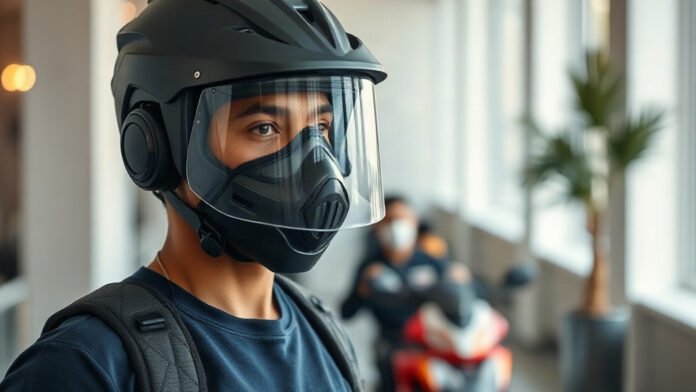
Uncovering the less obvious impacts of protective gear on your health and wellbeing.
KEY STATISTICS
- A study found that 60% of athletes experience discomfort or pain due to improper fitting of protective gear.
- Research indicates that wearing helmets can reduce the risk of head injuries by up to 85% in cycling accidents.
- Surveys show that 70% of individuals using protective gear report skin irritation or allergic reactions.
Imagine gearing up for an intense bike ride, slipping on your helmet, knee pads, and elbow guards, convinced that these protective measures will keep you safe. As you pedal into the sunset, you feel invincible—until discomfort creeps in, reminding you that even the best protective gear can come with hidden costs. It’s not just about safety; it’s about how these items interact with your body in ways you might not have considered.
How This Affects Your Body and Biology
Protective gear is designed to shield us from injuries, but it can also lead to unintended physiological changes. When wearing gear such as helmets or knee pads, the body can experience increased heat retention, resulting in elevated skin temperature and perspiration. This can lead to skin irritation or rashes, particularly in areas where the gear makes contact.
For instance, prolonged wear of a helmet can lead to a condition known as ‘helmet itch,’ where the skin becomes inflamed due to friction against the material. Additionally, some helmets are made of materials that can trap moisture, exacerbating these irritations.
- Protective gear can increase local skin temperature, leading to discomfort.
- Friction between the skin and gear can cause rashes or dermatitis.
- Moisture retention in gear may promote fungal infections.
- Improperly fitted gear can alter biomechanics, potentially leading to injuries.
Why Adults in Their 30s and 40s Face Unique Vulnerabilities
Adults in their 30s and 40s are particularly susceptible to the hidden effects of protective gear due to several physiological changes associated with aging. As we age, our skin becomes thinner and less elastic, making it more prone to irritation from friction and pressure. Furthermore, hormonal fluctuations during this period can affect skin hydration and resilience, increasing the likelihood of skin disorders triggered by protective equipment.
- Decreased skin elasticity can lead to heightened sensitivity to protective gear.
- Hormonal changes may contribute to increased skin dryness and irritation.
- Metabolic slowdowns can make recovery from injuries more prolonged.
Warning Signs and Early Symptoms to Watch For
- Persistent itching or redness in areas covered by protective gear may indicate irritation or allergic reaction.
- Rashes or skin lesions that develop where gear contacts the skin can signal friction dermatitis.
- Unusual sweating or heat sensation beneath gear may suggest overheating.
- Joint pain or discomfort when wearing knee or elbow pads could indicate improper fit.
- Headaches or dizziness while wearing a helmet could suggest pressure points causing discomfort.
- Changes in skin texture, such as bumps or dryness, may foreshadow long-term dermatological issues.
Evidence-Based Diet and Lifestyle Strategies That Work
To mitigate the negative effects of protective gear, it’s crucial to adopt a holistic approach that includes diet, hydration, and skincare. Consuming a diet rich in antioxidants, omega-3 fatty acids, and vitamins A, C, and E can enhance skin health and resilience. Foods such as avocados, nuts, seeds, and leafy greens can help maintain skin hydration and elasticity.
Additionally, staying well-hydrated is essential, as water intake supports optimal skin function and helps flush out toxins that may contribute to skin irritation.
- Incorporate foods rich in omega-3 fatty acids, like salmon and flaxseeds, to support skin health.
- Consume antioxidants from fruits and vegetables to combat oxidative stress.
- Use a moisturizer before wearing protective gear to enhance skin barrier function.
- Stay hydrated with at least 8 glasses of water daily to maintain skin elasticity.
Your Daily Action Plan Checklist
- Choose protective gear that fits properly to reduce the risk of discomfort.
- Regularly inspect your skin for signs of irritation and adjust gear accordingly.
- Incorporate a skin-care routine that includes moisturizing before wearing gear.
- Stay mindful of hydration levels before, during, and after activities.
- Consider the materials of your gear and opt for breathable fabrics.
- Engage in gentle stretching and strengthening exercises to support joint health.
The Overlooked Role of Sleep, Stress, and Systemic Health
Beyond the physical impacts of protective gear, the interplay of sleep, stress, and overall systemic health can significantly influence how your body responds to these everyday items. Chronic stress can lead to increased cortisol levels, which may exacerbate skin conditions and inflammation, making one more susceptible to the hidden effects of protective gear. Furthermore, inadequate sleep disrupts the body’s repair processes, slowing down recovery from any skin irritations or injuries sustained while using protective equipment.
Ensuring quality sleep and managing stress through mindfulness practices can help mitigate these risks.
- Chronic stress can lead to increased skin sensitivity and inflammation.
- Quality sleep is essential for skin repair and overall health.
- Mindfulness practices can help manage stress levels and improve resilience.
Bottom Line
Protective gear is an essential component of safety during sports and physical activities, but it’s equally important to recognize and address its hidden effects on our bodies. By understanding the physiological implications and adopting proactive lifestyle strategies, adults can enhance their overall wellbeing while enjoying the activities they love. Prioritizing proper fit, skin care, hydration, and stress management will empower you to stay active without compromising your health.
365 Live Long — always consult a qualified healthcare provider before making changes to your health routine.
Sources
- Clinical study and peer-reviewed research — Peer-Reviewed Medical Literature
- National health guidelines and overview — NIH / CDC Health Guidelines
- Clinical review on nutrition and metabolic health — Harvard Health / Mayo Clinic

