
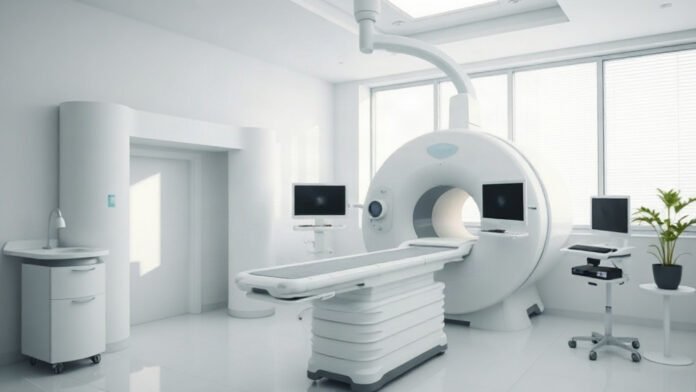
Understanding the importance of precision in cancer treatment for better outcomes.
KEY STATISTICS
- Approximately 50% of cancer patients receive radiotherapy as part of their treatment plan.
- Quality assurance programs can reduce treatment errors by up to 40%, ensuring safer patient care.
- Studies show that effective quality assurance in radiotherapy can improve local control rates by 10-20%.
Imagine being diagnosed with cancer and embarking on a complex journey of treatment that could involve surgery, chemotherapy, or radiotherapy. Each step is crucial, but it’s the precision of radiotherapy that can mean the difference between remission and recurrence. For adults in their 30s and 40s, understanding how radiotherapy quality assurance can impact treatment outcomes is essential for making informed decisions about their health.
Quality assurance (QA) in radiotherapy is not just a technical requirement; it’s a lifeline for patients. From ensuring the accuracy of radiation delivery to minimizing side effects, quality assurance protocols are designed to optimize therapeutic efficacy while safeguarding healthy tissues. With the stakes this high, comprehending the mechanisms behind QA can empower individuals to advocate for their health effectively.
How This Affects Your Body and Biology
Radiotherapy works by delivering high doses of radiation to cancerous cells, damaging their DNA and inhibiting their ability to replicate. However, the challenge lies in targeting these cancer cells without adversely affecting surrounding healthy tissues. Quality assurance in radiotherapy ensures that the radiation dose is precisely calculated and accurately delivered, which is vital for minimizing collateral damage.
This process often involves sophisticated imaging techniques and treatment planning systems that map out the tumor’s exact position and size, allowing for personalized treatment plans.
When the QA processes are upheld, patients experience improved local control of their tumors, which is crucial for preventing metastasis. Additionally, effective QA can help mitigate acute and late side effects associated with radiation, such as skin irritation, fatigue, and long-term organ dysfunction. Understanding this intricate balance allows patients to appreciate the rigorous protocols behind their treatment, reinforcing the importance of QA in enhancing therapeutic outcomes.
- Radiotherapy targets cancer cells by damaging their DNA, which prevents them from replicating.
- Quality assurance practices minimize exposure to surrounding healthy tissues, reducing side effects.
- Advanced imaging and treatment planning technologies are essential for effective QA.
- Effective quality assurance can significantly improve local control rates of tumors.
Why Adults in Their 30s and 40s Face Unique Vulnerabilities
Adults in their 30s and 40s often experience unique biological changes that can influence their cancer risk and treatment outcomes. Hormonal fluctuations, lifestyle factors, and the cumulative effects of environmental exposures can compound the vulnerabilities they face. For instance, this age group may be at higher risk for certain cancers, such as breast and colorectal cancer, due to lifestyle choices and genetic predispositions, making the precision of radiotherapy even more critical.
Additionally, metabolic changes that occur during this stage of life can affect how the body responds to radiation therapy. For instance, increased body fat and decreased muscle mass can influence the distribution and efficacy of the treatment. Understanding these unique vulnerabilities underscores the need for tailored radiotherapy approaches and robust quality assurance measures to maximize patient safety and treatment success.
- Hormonal changes and lifestyle factors increase cancer risk in this demographic.
- Cumulative environmental exposures may lead to higher vulnerability to certain cancers.
- Metabolic shifts can affect treatment response, necessitating personalized approaches.
Warning Signs and Early Symptoms to Watch For
- Unexplained weight loss: Sudden weight changes can indicate an underlying health issue.
- Persistent fatigue: Unrelenting tiredness that interferes with daily activities may be a warning sign.
- Changes in skin: New or changing moles, or skin irritations can be potential indicators of skin cancer.
- Unusual bleeding: Any unexplained bleeding, whether from the skin, rectum, or coughing, should be investigated.
- Persistent pain: Unexplained or chronic pain, particularly in the bones, should prompt a medical evaluation.
- Lumps or growths: The appearance of new lumps or growths in the body may indicate the presence of tumors.
Evidence-Based Diet and Lifestyle Strategies That Work
While undergoing or preparing for radiotherapy, adopting a health-focused lifestyle can significantly impact treatment outcomes. A nutrient-rich diet, emphasizing fruits, vegetables, whole grains, and lean proteins, supports the body’s healing processes. Certain foods, like berries and green leafy vegetables, are particularly rich in antioxidants, which can help mitigate oxidative stress caused by radiation.
Furthermore, staying well-hydrated and consuming adequate protein aids in tissue repair and recovery during and after treatment.
Incorporating regular physical activity is another beneficial strategy. Exercise can enhance overall well-being, improve mood, and help manage treatment-related fatigue. Establishing a balanced routine that includes aerobic activities, strength training, and flexibility exercises can empower patients to maintain their health and resilience throughout their cancer journey.
- Adopt a nutrient-rich diet focusing on fruits, vegetables, and whole grains.
- Incorporate antioxidant-rich foods like berries to combat oxidative stress.
- Stay hydrated to support cellular repair during treatment.
- Engage in regular physical activity to boost energy levels and overall health.
Your Daily Action Plan Checklist
- Consult your oncologist about the quality assurance protocols in your radiotherapy plan.
- Keep a symptom diary to track any changes or warning signs during treatment.
- Focus on a balanced diet rich in antioxidants and lean proteins.
- Incorporate physical activity into your daily routine, aiming for at least 30 minutes most days.
- Stay well-hydrated, aiming for at least 8 glasses of water per day.
- Engage in stress-reducing activities like yoga or mindfulness practices to enhance your overall well-being.
The Overlooked Role of Sleep, Stress, and Systemic Health
The importance of systemic health cannot be overstated, particularly in the context of cancer treatment. Sleep plays a crucial role in healing and recovery, as it is during deep sleep that the body repairs cells and balances hormones. Chronic stress, on the other hand, can elevate cortisol levels, which may negatively impact immune function and overall health.
By managing stress through relaxation techniques and ensuring adequate sleep, patients can enhance their resilience against treatment side effects and improve their quality of life.
Furthermore, lifestyle factors such as diet, exercise, and social support can significantly influence systemic health. A holistic approach that considers these elements can bolster the body’s ability to tolerate treatment and promote recovery, underscoring the interconnected nature of physical, emotional, and mental well-being.
- Adequate sleep is essential for cellular repair and hormonal balance.
- Chronic stress can elevate cortisol, negatively affecting immune function.
- Lifestyle factors like diet and exercise play a critical role in systemic health.
Bottom Line
Navigating the complexities of cancer treatment requires a thorough understanding of the elements that contribute to successful outcomes. Quality assurance in radiotherapy is not just a procedural formality; it’s a critical component that can significantly influence your treatment journey. By understanding the biological mechanisms at play and adopting supportive lifestyle practices, you can actively participate in your health and well-being, making informed choices that empower you throughout your cancer treatment and beyond.
365 Live Long — always consult a qualified healthcare provider before making changes to your health routine.
Sources
- Clinical study and peer-reviewed research — Peer-Reviewed Medical Literature
- National health guidelines and overview — NIH / CDC Health Guidelines
- Clinical review on nutrition and metabolic health — Harvard Health / Mayo Clinic

