
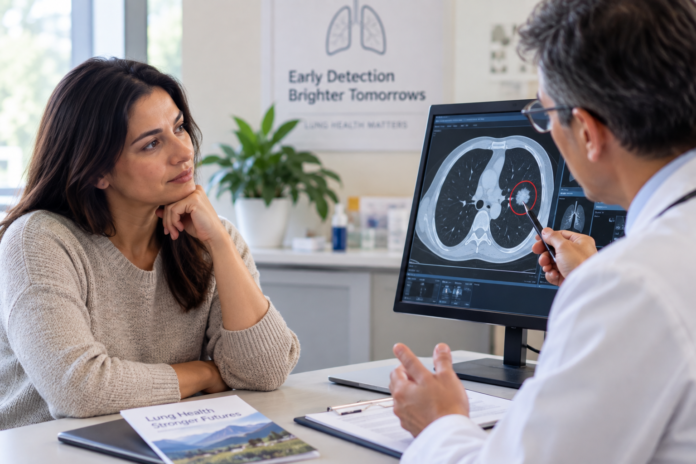
Understanding the hidden risks and proactive measures for lung cancer in your 30s and 40s.
KEY STATISTICS
- Lung cancer accounts for approximately 25% of all cancer deaths, making it the leading cause of cancer fatalities.
- In the U.S., over 234,000 new cases of lung cancer are expected in 2023, with a significant rise among adults aged 35-44.
- Only 19% of lung cancer cases are diagnosed at an early, localized stage, highlighting the importance of awareness and early detection.
As you navigate through your 30s and 40s, the routine parts of life—like morning jogs, evening meetups with friends, or just catching up on work—can become unwittingly overshadowed by the silent threat of lung cancer. Many adults in this age group often feel invincible, with the burdens of daily life masking the looming health risks that can strike unexpectedly.
How This Affects Your Body and Biology
Lung cancer, primarily driven by the mutation of lung epithelial cells, showcases a complex interplay of genetic and environmental factors. Carcinogens such as tobacco smoke, air pollution, and occupational hazards can trigger oncogenic pathways, leading to the uncontrolled proliferation of these cells. Biomarkers like EGFR mutations and ALK rearrangements can influence tumor behavior and response to therapies, emphasizing the importance of genetic profiling in personalized medicine.
- Lung cancer often arises from mutations in genes that regulate cell growth and division.
- Environmental carcinogens can cause DNA damage, leading to mutations that may result in malignancy.
- Biomarkers play a crucial role in determining the most effective treatment strategies for lung cancer patients.
- Inflammation in the lung tissue can create a conducive environment for tumor development.
Why Adults in Their 30s and 40s Face Unique Vulnerabilities
Adults in their 30s and 40s experience distinct vulnerabilities to lung cancer due to a combination of lifestyle, hormonal shifts, and biological factors. The hormonal fluctuations during this life stage can influence immune system efficacy, making it harder for the body to combat emerging malignancies. Additionally, exposure to environmental toxins, whether through work or lifestyle choices, can compound these risks significantly.
- Increased exposure to environmental toxins from urban living can elevate lung cancer risk.
- Hormonal changes can affect immune responses, potentially allowing cancerous cells to thrive.
- Increased stress levels may lead to detrimental lifestyle choices that elevate cancer risk.
Warning Signs and Early Symptoms to Watch For
- Persistent cough: A cough that lasts longer than three weeks may indicate an underlying issue.
- Shortness of breath: Unexplained breathlessness during routine activities can signal lung problems.
- Unexplained weight loss: Losing weight without trying can be a sign of a serious health condition.
- Chest pain: Ongoing pain in the chest can be indicative of lung issues, including cancer.
- Fatigue: Chronic tiredness that doesn’t improve with rest can be a warning sign.
- Coughing up blood: Hemoptysis, or coughing up blood, should always be evaluated by a healthcare provider.
Evidence-Based Diet and Lifestyle Strategies That Work
Adopting an evidence-based approach to diet and lifestyle can significantly reduce the risk of lung cancer. Incorporating a variety of fruits and vegetables rich in antioxidants, such as berries, leafy greens, and cruciferous vegetables, helps combat oxidative stress, which is linked to cancer development. Additionally, regular physical activity can improve lung function and enhance overall health, making it crucial to integrate at least 150 minutes of moderate exercise weekly into your routine.
- Focus on a diet rich in fruits and vegetables to bolster antioxidant levels.
- Incorporate whole grains and lean proteins to support overall health.
- Limit processed foods and sugars to reduce inflammation.
- Engage in regular physical activity to enhance lung function and overall wellbeing.
Your Daily Action Plan Checklist
- Schedule regular health check-ups to monitor lung health and discuss any concerns with a healthcare provider.
- Incorporate at least 5 servings of fruits and vegetables into your daily meals.
- Engage in at least 30 minutes of physical activity most days of the week.
- Limit exposure to known carcinogens like tobacco smoke and air pollution.
- Practice stress-reduction techniques such as meditation or yoga to support overall health.
- Stay informed about lung cancer risk factors and advocate for your health.
The Overlooked Role of Sleep, Stress, and Systemic Health
Quality sleep and stress management play crucial roles in maintaining a healthy immune system, which is vital for preventing cancer. Chronic stress can elevate cortisol levels, leading to systemic inflammation and weakened immune responses. Ensuring adequate sleep supports cellular repair and hormonal balance, both of which are essential for reducing cancer risk.
Adults in their 30s and 40s should prioritize sleep hygiene and stress management techniques to mitigate these risks.
- Chronic stress can lead to hormonal imbalances that may increase cancer risk.
- Adequate sleep supports immune function and cellular repair mechanisms.
- Stress management techniques can lower inflammation and enhance overall health.
Bottom Line
Understanding the silent threat of lung cancer, especially for adults in their 30s and 40s, is crucial for proactive health management. By recognizing warning signs, adopting healthier lifestyle choices, and prioritizing regular health check-ups, you can significantly reduce risks and enhance your quality of life. Embrace these strategies, and empower yourself to take charge of your health journey.
365 Live Long — always consult a qualified healthcare provider before making changes to your health routine.
Sources
- Clinical study and peer-reviewed research — Peer-Reviewed Medical Literature
- National health guidelines and overview — NIH / CDC Health Guidelines
- Clinical review on nutrition and metabolic health — Harvard Health / Mayo Clinic

