
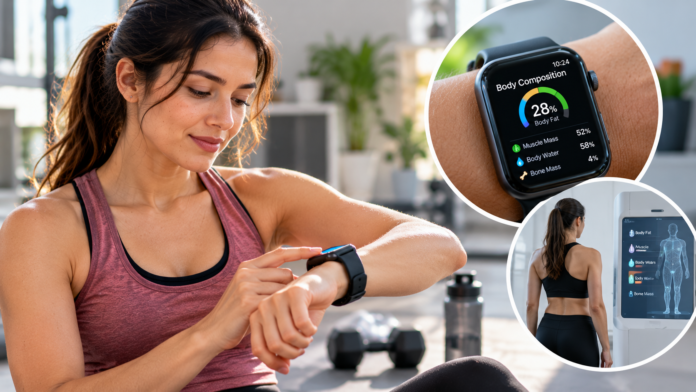
Understanding how smartwatches measure body fat and what it means for your health journey.
KEY STATISTICS
- A study found that smartwatches can have an accuracy rate of about 70% for estimating body fat percentage.
- Research indicates that body composition measurements can vary by as much as 10% between different devices.
- Approximately 50% of adults in their 30s and 40s struggle with body fat-related health issues.
In a world where technology intertwines with wellness, smartwatches have become ubiquitous among young adults striving for healthier lifestyles. Imagine waking up in the morning, reviewing your sleep data, tracking your steps, and even gauging your body fat percentage—all from a device strapped to your wrist. While these gadgets promise insights into our health, there’s a growing conversation about their accuracy, particularly regarding body fat metrics, which can significantly impact our fitness and long-term health goals.
How This Affects Your Body and Biology
The mechanisms by which smartwatches estimate body fat often rely on bioelectrical impedance analysis (BIA), a method that sends a small electrical current through the body to measure resistance. Fat and lean tissues conduct electrical signals differently, allowing the device to estimate body composition. However, factors such as hydration levels, time of day, and even skin temperature can significantly influence these readings, leading to potential inaccuracies.
For example, dehydration can falsely elevate body fat readings, while post-exercise hydration can lead to underestimations.
- Bioelectrical impedance is affected by hydration, which can skew body fat percentages.
- Skin temperature and body position can also alter the accuracy of measurements.
- Smartwatch algorithms may not account for individual differences in body composition.
- Regular calibration and consistent measurement conditions can improve accuracy.
Why Adults in Their 30s and 40s Face Unique Vulnerabilities
As adults transition into their 30s and 40s, various hormonal changes occur, particularly a decline in growth hormone and an increase in cortisol levels. This hormonal shift can lead to an increase in visceral fat, which is more metabolically active and poses greater health risks than subcutaneous fat. Additionally, metabolic rates naturally decline with age, making it easier to gain weight and harder to lose it, complicating efforts to maintain a healthy body fat percentage.
These biological changes can create a vicious cycle, as increased body fat further exacerbates hormonal imbalances.
- Hormonal imbalances can increase fat storage, particularly in the abdominal area.
- Metabolic slowdown means fewer calories burned at rest, leading to weight gain.
- Increased stress levels can elevate cortisol, which is associated with fat accumulation.
Warning Signs and Early Symptoms to Watch For
- Increased fatigue despite adequate sleep, which may signal hormonal imbalances.
- Unexplained weight gain, particularly around the abdomen, indicating potential metabolic issues.
- Heightened cravings for sugar and carbohydrates, often linked to stress and hormonal shifts.
- Difficulty concentrating or memory lapses, which can be signs of systemic health issues.
- Changes in skin elasticity or tone, reflecting overall body composition changes.
- Mood swings or increased anxiety, often correlated with changes in body fat percentage.
Evidence-Based Diet and Lifestyle Strategies That Work
To combat the challenges of body fat accumulation, adults in their 30s and 40s can adopt several evidence-based strategies. Prioritizing a balanced diet rich in whole foods—such as fruits, vegetables, lean proteins, and healthy fats—can support metabolic health. For instance, incorporating more fiber can help regulate blood sugar levels and manage hunger.
Pairing carbohydrates with protein can also enhance satiety and improve body composition outcomes. Regular physical activity, particularly strength training, can counteract age-related muscle loss, further supporting metabolic rates and body fat reduction.
- Incorporate more whole foods and reduce processed food intake for better health.
- Aim for a balanced diet with adequate protein to support muscle maintenance.
- Engage in regular strength training to increase muscle mass and boost metabolism.
- Include high-fiber foods to aid digestion and control hunger.
Your Daily Action Plan Checklist
- Set a daily step goal and track it using your smartwatch.
- Incorporate strength training exercises at least 2-3 times a week.
- Monitor your food intake using a nutrition tracking app for better awareness.
- Ensure adequate hydration, particularly before and after workouts.
- Schedule regular check-ups to monitor body composition and metabolic health.
- Practice stress-reduction techniques, such as mindfulness or yoga.
The Overlooked Role of Sleep, Stress, and Systemic Health
Circadian rhythms play a crucial role in overall health, affecting everything from hormone production to metabolic processes. Disrupted sleep can lead to increased cortisol levels, further complicating weight management efforts. Chronic stress not only impacts mood and mental health but can also contribute to unhealthy eating patterns, making it difficult to maintain a healthy body fat percentage.
Integrating consistent sleep habits and stress management strategies into daily routines can thus have profound benefits on body composition and overall health.
- Quality sleep is essential for hormonal balance and metabolic health.
- Chronic stress can lead to emotional eating and poor dietary choices.
- Consistent sleep patterns support better recovery and performance in physical activities.
Bottom Line
Smartwatches can provide valuable insights into body fat percentage, but understanding their limitations is crucial for making informed health decisions. By integrating evidence-based lifestyle changes and paying attention to the unique challenges faced in our 30s and 40s, we can take proactive steps toward better body composition and overall wellness. Embrace technology as a tool, but prioritize holistic health practices that include diet, exercise, sleep, and stress management for optimal results.
365 Live Long — always consult a qualified healthcare provider before making changes to your health routine.
Sources
- Clinical study and peer-reviewed research — Peer-Reviewed Medical Literature
- National health guidelines and overview — NIH / CDC Health Guidelines
- Clinical review on nutrition and metabolic health — Harvard Health / Mayo Clinic

