
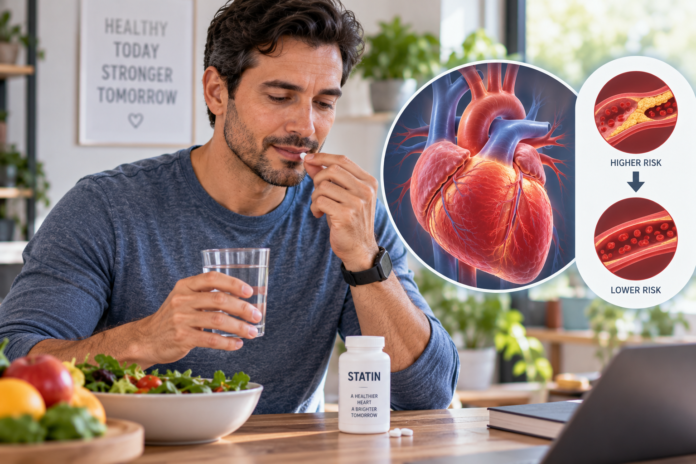
Unlocking the power of statins reveals a pathway to heart health that every adult should consider.
KEY STATISTICS
- Statins can reduce the risk of heart attacks by up to 30% in individuals with high cholesterol levels.
- Clinical trials show that statins lower LDL cholesterol levels by 20-60%, significantly decreasing cardiovascular events.
- Research indicates that statins have been associated with a reduced risk of stroke by approximately 25%.
Imagine waking up each morning, the sound of your heart beating steadily as you rush to manage your day. You have a busy life: work, family, and social commitments that keep you on your toes. But lurking beneath the surface, heart disease remains one of the leading health threats for adults like you in your 30s and 40s.
It’s a silent enemy, often undetected until it reveals its devastating hand. Fortunately, advances in cardiovascular health have introduced powerful allies like statins that can significantly reduce your risks.
Statins, medications traditionally prescribed for high cholesterol, are now celebrated for their broader cardiovascular benefits. They work by inhibiting an enzyme required for the body to produce cholesterol, thereby lowering levels of low-density lipoprotein (LDL) cholesterol—the so-called ‘bad’ cholesterol. This article will explore how statins can not only protect your heart but also empower you to take control of your health in a proactive manner.
How This Affects Your Body and Biology
Statins primarily function by inhibiting the HMG-CoA reductase enzyme, which plays a critical role in the biosynthesis of cholesterol in the liver. By blocking this enzyme, statins significantly lower the production of LDL cholesterol. The reduction in LDL levels leads to a decreased risk of plaque formation in the arteries, a key factor in the development of atherosclerosis—a condition that narrows and hardens arteries, ultimately leading to heart attacks and strokes.
In addition to lowering cholesterol levels, statins also exhibit anti-inflammatory properties. They can stabilize atherosclerotic plaques, making them less likely to rupture and cause cardiovascular events. Statins have been shown to improve endothelial function, enhancing blood flow and reducing the risk of clot formation.
Together, these mechanisms create a multifaceted approach to heart health, addressing both the root causes and contributing factors of cardiovascular disease.
- Statins inhibit HMG-CoA reductase, lowering cholesterol production in the liver.
- They reduce LDL cholesterol levels by 20-60%, decreasing cardiovascular risks.
- Statins stabilize plaques in arteries, preventing ruptures that lead to heart attacks.
- They possess anti-inflammatory properties that further enhance cardiovascular health.
Why Adults in Their 30s and 40s Face Unique Vulnerabilities
Adults in their 30s and 40s often experience unique hormonal changes that can impact cardiovascular health. As metabolism shifts, many may begin to notice an increase in body fat, particularly visceral fat, which is associated with higher cholesterol levels and increased risk of heart disease. Moreover, this age group frequently encounters lifestyle stressors, including career pressures and family responsibilities, which can lead to poor dietary choices and reduced physical activity—factors that compound cardiovascular risks.
Additionally, emerging evidence suggests that young adults may underestimate their heart disease risk, believing it to be a concern for older individuals. This misconception can lead to neglect of regular health screenings and a lack of proactive measures like dietary adjustments or medication adherence. Understanding these vulnerabilities is crucial; taking action now can significantly alter your health trajectory for years to come.
- Metabolic changes lead to increased visceral fat and elevated cholesterol levels.
- Lifestyle stressors often result in poor dietary choices and decreased physical activity.
- Misconceptions about heart disease risk can lead to neglect of regular health check-ups.
Warning Signs and Early Symptoms to Watch For
- Chest pain or discomfort, often described as a feeling of pressure, squeezing, or fullness.
- Shortness of breath, especially during physical activity or when resting.
- Fatigue or weakness, which may occur without cause or after minimal exertion.
- Lightheadedness, dizziness, or fainting, particularly during exertion.
- Nausea or indigestion-like symptoms, sometimes mistaken for gastrointestinal issues.
- Pain or discomfort in other areas such as the arms, back, neck, jaw, or stomach.
Evidence-Based Diet and Lifestyle Strategies That Work
To complement the benefits of statins, adopting a heart-healthy lifestyle is paramount. A diet rich in fruits, vegetables, whole grains, and healthy fats can significantly enhance overall cardiovascular health. For instance, the Mediterranean diet, which emphasizes olive oil, nuts, fish, and lean meats, has been shown to reduce heart disease risk.
Incorporating omega-3 fatty acids found in fatty fish like salmon can also help lower triglyceride levels, providing a synergistic effect with statin therapy.
Regular physical activity is equally important. Engaging in moderate-intensity aerobic exercise for at least 150 minutes a week can improve heart health by increasing HDL cholesterol (the ‘good’ cholesterol) and aiding in weight management. Pairing these dietary and activity changes with regular health screenings ensures that you are actively monitoring and managing your heart health.
- Adopt a Mediterranean diet rich in fruits, vegetables, and healthy fats.
- Incorporate omega-3 fatty acids from fish, flaxseeds, and walnuts.
- Engage in at least 150 minutes of moderate-intensity aerobic exercise weekly.
- Monitor your cholesterol levels and overall health regularly.
Your Daily Action Plan Checklist
- Schedule regular check-ups with your healthcare provider for cholesterol assessments.
- Incorporate at least five servings of fruits and vegetables into your daily meals.
- Aim for at least 30 minutes of physical activity most days of the week.
- Discuss the potential benefits of statins with your healthcare provider if at risk.
- Limit processed foods and sugary beverages to maintain a healthy weight.
- Practice stress management techniques, such as mindfulness or yoga.
The Overlooked Role of Sleep, Stress, and Systemic Health
Sleep is an often-overlooked factor in heart health. Inadequate sleep can increase inflammation and lead to higher levels of cortisol, a stress hormone that negatively affects cardiovascular health. Chronic stress contributes to unhealthy lifestyle choices, such as poor diet and inactivity, which can further elevate heart disease risk.
Prioritizing good sleep hygiene and managing stress through techniques like meditation or deep-breathing exercises can create a solid foundation for heart health, complementing the benefits of statins.
Additionally, systemic health conditions such as diabetes and hypertension can exacerbate cardiovascular risks. Regular monitoring and management of these conditions is critical. Integrating a holistic approach that includes lifestyle management, stress reduction, and possibly statin therapy can create a robust defense against heart disease.
- Prioritize 7-9 hours of quality sleep to reduce inflammation and stress levels.
- Practice stress management techniques to mitigate the impact of chronic stress.
- Monitor and manage systemic health conditions like diabetes and hypertension.
Bottom Line
Statins stand as a formidable ally in the battle against heart disease, particularly for adults in their 30s and 40s. When combined with a proactive approach to diet, exercise, and lifestyle management, you can significantly lower your heart disease risk. Embracing these strategies not only empowers you to take control of your health but also paves the way for a longer, healthier life.
Remember, the journey to heart health begins with awareness and action—start today.
365 Live Long — always consult a qualified healthcare provider before making changes to your health routine.
Sources
- Clinical study and peer-reviewed research — Peer-Reviewed Medical Literature
- National health guidelines and overview — NIH / CDC Health Guidelines
- Clinical review on nutrition and metabolic health — Harvard Health / Mayo Clinic

