
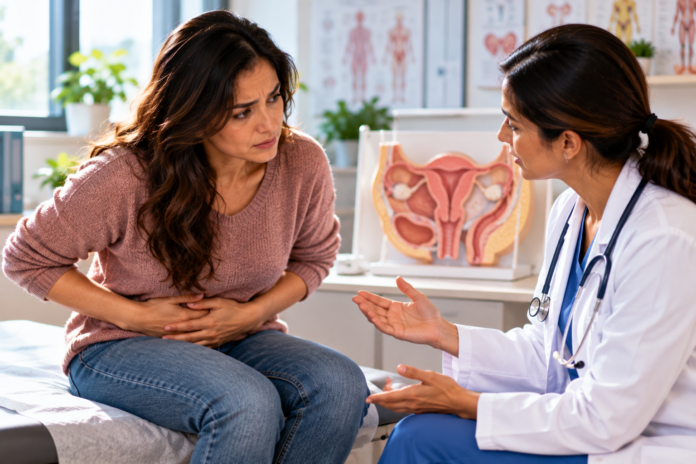
Unlocking new pathways to alleviate pelvic pain and enhance quality of life.
KEY STATISTICS
- Approximately 15% of women aged 18-50 experience chronic pelvic pain, significantly impacting daily activities and mental health.
- In a study, 40% of adults reported that pelvic pain negatively affected their relationships and social interactions.
- Research indicates that 50-70% of individuals with chronic pelvic pain also experience mental health issues, including anxiety and depression.
Imagine a day when a simple task, like picking up your child or going for a jog, becomes a battle against a relentless ache in your lower abdomen. For many adults, particularly those in their 30s and 40s, chronic pelvic pain can feel like an invisible burden, affecting everything from work performance to intimate relationships. Yet, the landscape of pelvic pain management is evolving, offering hope through a deeper understanding of its causes and innovative treatment strategies.
As awareness of pelvic pain grows, so does the recognition of its complex interplay between physical, psychological, and social factors. Understanding these multidimensional aspects is essential not only for effective treatment but also for fostering empathy and support among those affected. In this article, we will explore the biological mechanisms behind pelvic pain, the unique challenges faced by adults in their 30s and 40s, and actionable strategies for effective management.
How This Affects Your Body and Biology
Pelvic pain often arises from a complex interplay of factors, including inflammation, nerve sensitivity, and structural abnormalities. At the biological level, the pelvic region is rich in nerve endings, making it particularly susceptible to chronic pain conditions. Research indicates that persistent inflammation can lead to changes in nerve signaling pathways, causing the body to interpret normal sensations as painful.
This phenomenon, known as central sensitization, can perpetuate the cycle of pain, leading to heightened sensitivity even in the absence of physical injury.
Hormonal fluctuations, particularly in women, can exacerbate pelvic pain conditions. The menstrual cycle influences pain perception, with many women reporting increased pain during certain phases. Conditions such as endometriosis, which affects 10% of women, involve the growth of endometrial-like tissue outside the uterus, leading to localized inflammation and pain.
Understanding these underlying mechanisms is crucial for developing targeted therapies that address both the symptoms and root causes of pelvic pain.
- Central sensitization can amplify pain signals, making even minor discomfort feel severe.
- Inflammatory conditions such as endometriosis contribute to chronic pelvic pain and require specialized treatment.
- Hormonal fluctuations can significantly influence pain perception in women, particularly during menstruation.
- Nerve sensitivity changes can lead to persistent pain even after the initial cause has resolved.
Why Adults in Their 30s and 40s Face Unique Vulnerabilities
Adults in their 30s and 40s experience unique vulnerabilities to pelvic pain due to a combination of hormonal, metabolic, and lifestyle factors. For women, the transition through reproductive years brings significant hormonal fluctuations that can heighten the risk of conditions such as fibroids or endometriosis, both common contributors to pelvic pain. Similarly, men may experience prostate issues that become more prevalent with age, often leading to discomfort and pain in the pelvic region.
Moreover, lifestyle choices prevalent in this age group—such as sedentary behavior, poor diet, and high stress—can exacerbate pelvic pain. Chronic stress triggers the body’s fight-or-flight response, leading to muscle tension and heightened pain sensitivity. Understanding these vulnerabilities is key to developing effective management strategies tailored to this demographic.
- Hormonal changes in women can lead to increased risk of pelvic pain disorders.
- Men face heightened risks of prostate-related issues as they age.
- Sedentary lifestyles and poor dietary habits can contribute to chronic inflammation, exacerbating pain.
Warning Signs and Early Symptoms to Watch For
- Chronic lower abdominal pain that persists for more than three months, often accompanied by discomfort during intercourse.
- Pain during bowel movements or urination, which can indicate underlying conditions needing attention.
- Unexplained changes in menstrual cycles, such as heavier bleeding or severe cramps.
- Pain that radiates to the lower back, hips, or thighs, signaling potential nerve involvement.
- Fatigue or mood changes that accompany pelvic pain, indicating a potential psychological impact.
- Swelling or tenderness in the pelvic area, which may suggest inflammation or infection.
Evidence-Based Diet and Lifestyle Strategies That Work
Managing pelvic pain often requires a holistic approach that includes dietary changes and lifestyle modifications. Research suggests that anti-inflammatory diets rich in omega-3 fatty acids, antioxidants, and fiber can help reduce pelvic pain symptoms. Foods such as fatty fish, nuts, leafy greens, and whole grains support overall health and may alleviate inflammation.
Additionally, adequate hydration and a balanced intake of vitamins and minerals are essential for optimal bodily function.
Incorporating regular physical activity, such as low-impact exercises, yoga, or pelvic floor physical therapy, can significantly improve symptoms by strengthening the pelvic region and improving blood flow. Mindfulness practices and stress-reduction techniques, such as meditation and deep-breathing exercises, can also play a crucial role in managing pain perception and enhancing emotional well-being.
- Adopt an anti-inflammatory diet rich in omega-3 fatty acids, antioxidants, and fiber.
- Incorporate low-impact exercises and pelvic floor physical therapy to strengthen muscles and improve circulation.
- Practice mindfulness and stress-reduction techniques to enhance emotional resilience.
- Stay hydrated and maintain a balanced intake of essential nutrients for overall health.
Your Daily Action Plan Checklist
- Evaluate your diet; focus on anti-inflammatory foods and reduce processed sugars.
- Engage in at least 30 minutes of physical activity most days, prioritizing low-impact exercises.
- Practice stress management techniques daily, such as meditation or yoga.
- Monitor and track any pain symptoms along with potential triggers in a journal.
- Consult with healthcare professionals for tailored treatment and follow-up on symptoms.
- Stay informed about pelvic health and consider joining support groups for shared experiences.
The Overlooked Role of Sleep, Stress, and Systemic Health
Sleep quality and stress levels are often overlooked factors in managing pelvic pain. Chronic stress can lead to increased muscle tension and inflammation, which can exacerbate pain symptoms. Moreover, insufficient sleep disrupts the body’s healing processes and may amplify pain perception due to hormonal imbalances.
Studies show that improving sleep hygiene can significantly reduce pain levels and improve overall quality of life for those suffering from chronic pain conditions.
Additionally, systemic health factors such as obesity and metabolic syndrome have been linked to increased inflammation, which can worsen pelvic pain. Addressing these underlying health issues through lifestyle changes can create a positive feedback loop, reducing pain and improving overall well-being.
- Chronic stress can lead to muscle tension and increased pain sensitivity.
- Improving sleep quality can enhance the body’s healing processes and reduce pain perception.
- Addressing systemic health factors like obesity can mitigate inflammation and improve pelvic health.
Bottom Line
Transforming pelvic pain management is not just about treating symptoms; it’s about understanding the intricate web of biological, psychological, and social factors that contribute to this condition. By embracing a holistic approach that includes dietary strategies, lifestyle changes, and stress management, individuals can reclaim their quality of life and find relief from chronic pain. The journey to wellness may require time and effort, but the rewards—a life free from the shackles of pain—are immeasurable.
365 Live Long — always consult a qualified healthcare provider before making changes to your health routine.
Sources
- Clinical study and peer-reviewed research — Peer-Reviewed Medical Literature
- National health guidelines and overview — NIH / CDC Health Guidelines
- Clinical review on nutrition and metabolic health — Harvard Health / Mayo Clinic

