
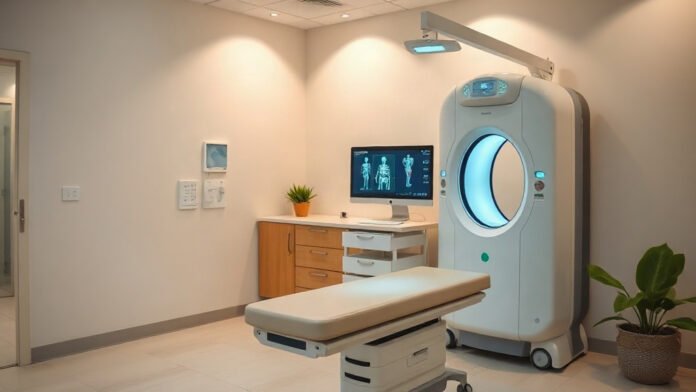
A crucial step in safeguarding your skeletal health as you age.
KEY STATISTICS
- One in two women and one in four men aged 50 and older will experience a fracture due to osteoporosis.
- Around 54 million Americans have low bone density, increasing their risk for osteoporosis.
- Bone density decreases by approximately 1% per year after the age of 30.
As you navigate the complexities of adult life, moments spent playing with your children or engaging in your favorite hobbies may remind you of the strength and resilience of your body. Yet, beneath the surface, your bones are undergoing significant changes that could affect your health and longevity in the years to come. This is where bone density scans come into play—a tool that can provide crucial insights into your skeletal health and help you take proactive steps toward maintaining it.
Understanding the importance of bone density scans is vital for adults in their late 30s and 40s, as these scans can reveal the early signs of bone loss, which often goes unnoticed until fractures occur. Armed with knowledge about your bone density, you can make informed decisions about your health and lifestyle—ensuring that those moments of joy and movement continue for decades to come.
How This Affects Your Body and Biology
Bone density scans, primarily performed through dual-energy X-ray absorptiometry (DEXA), measure the mineral content of your bones, providing a quantitative assessment of bone density. This density is crucial because bones are living tissues that constantly remodel themselves through a balance of bone resorption (breakdown) and bone formation. When this balance is disrupted—often due to hormonal changes, inadequate nutrient intake, or sedentary lifestyles—bone density declines, leading to conditions like osteoporosis.
At the cellular level, osteoblasts (bone-forming cells) and osteoclasts (bone-resorbing cells) work in tandem to maintain bone health. When osteoclast activity outpaces that of osteoblasts, bone mass diminishes. Additionally, factors such as calcium and vitamin D levels significantly influence this process.
Insufficient vitamin D impairs calcium absorption in the intestines, further exacerbating bone loss. Therefore, understanding your bone density is integral to addressing these cellular imbalances before they culminate in serious health issues.
- Bone density is a reflection of the amount of mineral content in bones, crucial for their strength.
- DEXA scans are the gold standard for measuring bone density and assessing fracture risk.
- Hormonal changes, particularly in estrogen and testosterone, significantly affect bone remodeling.
- Nutrient deficiencies in calcium and vitamin D can lead to decreased bone density.
Why Adults in Their 30s and 40s Face Unique Vulnerabilities
Adults in their 30s and 40s may not typically associate bone health with their current age, yet this period is critical for bone development and maintenance. Hormonal shifts, particularly in women approaching menopause, trigger a decline in estrogen levels, which is crucial for bone density preservation. This decline can lead to a loss of up to 20% of bone density in the first five to seven years after menopause, dramatically increasing fracture risk.
Moreover, this age group often experiences lifestyle changes that can contribute to bone health deterioration. Increased stress, sedentary behavior, and poor dietary habits can create a perfect storm for bone loss. Individuals may be busier than ever, neglecting exercise and proper nutrition, inadvertently increasing their vulnerability to osteoporosis and related conditions.
Recognizing these risks can empower adults to prioritize their bone health.
- Hormonal changes in women lead to significant bone density loss post-menopause.
- Sedentary lifestyles and increased stress levels can exacerbate bone health issues.
- Nutritional imbalances are often prevalent in busy adult lifestyles.
Warning Signs and Early Symptoms to Watch For
- Back pain, which may indicate vertebral fractures or compression.
- A decrease in height over time, signaling possible bone loss.
- Frequent fractures or breaks from minor falls or accidents.
- A stooped posture, often a result of weakened vertebrae.
- Joint pain or stiffness, particularly in weight-bearing joints.
- Unexplained fatigue or weakness, which may accompany bone loss.
Evidence-Based Diet and Lifestyle Strategies That Work
Maintaining healthy bones requires a holistic approach that integrates diet, exercise, and overall lifestyle choices. Nutrient-rich foods play a pivotal role in supporting bone density. Diets high in calcium and vitamin D are essential, as they provide the building blocks for bone strength.
Dairy products, leafy greens, and fortified foods are excellent sources of calcium, while fatty fish, egg yolks, and sunlight exposure are vital for vitamin D synthesis.
Incorporating weight-bearing exercises into your routine is equally important. Activities such as walking, jogging, and strength training stimulate bone formation and improve balance, reducing the risk of falls. Additionally, practices like yoga can enhance flexibility and posture, further supporting skeletal health.
By combining nutrient intake with regular physical activity, you create a robust framework for preserving bone density and overall wellness.
- Consume calcium-rich foods such as dairy, leafy greens, and fortified products.
- Ensure adequate vitamin D through sunlight exposure and dietary sources.
- Engage in weight-bearing exercises like walking, running, and resistance training.
- Incorporate balance and flexibility exercises to prevent falls.
Your Daily Action Plan Checklist
- Schedule a bone density scan if you are at risk or over 40.
- Incorporate at least 30 minutes of weight-bearing exercise into your daily routine.
- Consume a balanced diet rich in calcium and vitamin D.
- Limit alcohol and caffeine intake, which can negatively impact bone health.
- Stay hydrated to help maintain overall health and facilitate nutrient absorption.
- Prioritize sleep hygiene to support overall well-being and recovery.
The Overlooked Role of Sleep, Stress, and Systemic Health
Sleep quality and stress levels significantly influence bone health, often overlooked in discussions about osteoporosis prevention. Chronic stress elevates cortisol levels, which can lead to increased bone resorption and decreased formation, compromising bone density. Additionally, poor sleep is linked to hormonal imbalances that can further exacerbate bone loss.
Therefore, managing stress through mindfulness practices, exercise, and proper sleep hygiene is essential for maintaining healthy bones.
Incorporating systemic health into your bone health strategy is crucial. Conditions such as thyroid disorders or gastrointestinal diseases can affect nutrient absorption, leading to deficiencies that weaken bones. A comprehensive approach to health—addressing sleep, stress, and systemic conditions—can create a powerful foundation for preserving bone density and overall vitality.
- Chronic stress raises cortisol, negatively impacting bone density.
- Quality sleep supports hormonal balance and recovery processes.
- Systemic health conditions can lead to nutrient deficiencies affecting bones.
Bottom Line
As you approach your 30s and 40s, understanding bone density and the implications of scans is essential for long-term health. By prioritizing nutrition, exercise, and lifestyle choices, you can empower yourself to maintain strong bones and a vibrant life. Your future self will thank you for the proactive steps you take today.
365 Live Long — always consult a qualified healthcare provider before making changes to your health routine.
Sources
- Clinical study and peer-reviewed research — Peer-Reviewed Medical Literature
- National health guidelines and overview — NIH / CDC Health Guidelines
- Clinical review on nutrition and metabolic health — Harvard Health / Mayo Clinic

