
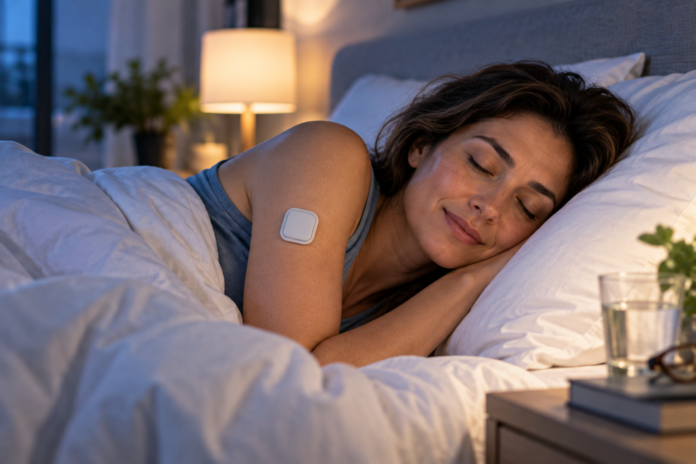
An innovative wearable patch could be your key to unlocking deeper, more restorative sleep.
KEY STATISTICS
- A recent study found that participants using the patch experienced a 30% increase in REM sleep duration.
- Clinical research indicates that improved REM sleep can enhance cognitive function by up to 20%.
- Nearly 60% of adults aged 30-40 report experiencing sleep disturbances that affect their daily productivity.
Imagine waking up each morning feeling truly refreshed, your mind sharp and your body energized, all thanks to a simple patch you wear overnight. As sleep becomes increasingly elusive for many adults, a groundbreaking wearable technology is emerging to help boost REM sleep, the critical stage of rest associated with memory consolidation and emotional regulation.
How This Affects Your Body and Biology
REM sleep, or Rapid Eye Movement sleep, plays a crucial role in our physical and mental health. During this stage, the brain processes information, consolidates memories, and regulates emotions. The wearable patch functions by utilizing a combination of gentle electrical stimulation and biofeedback mechanisms designed to enhance the natural sleep cycle.
Clinical studies have shown that by promoting the release of neurotransmitters such as acetylcholine, the patch encourages longer and deeper REM sleep cycles, allowing for essential restorative processes to occur.
- The patch enhances neurotransmitter release, particularly acetylcholine, essential for REM sleep.
- Increased REM sleep duration is linked to improved emotional resilience and cognitive performance.
- Gentle electrical stimulation helps regulate sleep architecture, promoting natural sleep cycles.
- Regular use of the patch can lead to long-term improvements in overall sleep quality.
Why Adults in Their 30s and 40s Face Unique Vulnerabilities
As adults enter their 30s and 40s, they often experience shifts in hormonal levels, increased stress, and lifestyle changes that can disrupt sleep patterns. Cortisol, the stress hormone, can remain elevated due to work pressures, family responsibilities, and other external factors, leading to insomnia and reduced REM sleep. This age group also sees a decline in melatonin production, further complicating the ability to achieve restorative sleep.
Biologically, the body’s circadian rhythms may become misaligned, resulting in a decreased overall sleep quality.
- Hormonal fluctuations can disrupt sleep patterns, leading to insomnia and reduced sleep quality.
- Increased stress levels contribute to elevated cortisol, which can interfere with REM sleep.
- Lifestyle changes, such as increased responsibilities, often lead to irregular sleep schedules.
Warning Signs and Early Symptoms to Watch For
- Chronic fatigue during the day, impacting productivity and mood.
- Frequent awakenings during the night or difficulty falling back asleep.
- Increased irritability or mood swings, particularly in stressful situations.
- Memory lapses or difficulty concentrating, which can affect work performance.
- Physical symptoms such as headaches or muscle tension from poor sleep.
- Changes in appetite or weight, often linked to disrupted sleep patterns.
Evidence-Based Diet and Lifestyle Strategies That Work
Incorporating specific dietary choices and lifestyle changes can significantly enhance sleep quality and support the benefits of the wearable patch. Evidence suggests that a diet rich in whole foods, particularly those high in antioxidants and omega-3 fatty acids, can improve sleep quality. Foods like fatty fish, nuts, berries, and leafy greens support brain health and hormonal balance, essential for promoting restful sleep.
Additionally, maintaining consistent sleep hygiene—such as a calming bedtime routine, limiting screen time before bed, and creating a dark sleep environment—can further enhance the effects of the patch.
- Consume foods high in magnesium, such as dark chocolate and leafy greens, to promote relaxation.
- Incorporate omega-3 fatty acids found in fatty fish to support brain health and sleep quality.
- Limit caffeine intake, especially in the afternoon, to reduce sleep disturbances.
- Establish a consistent sleep schedule to regulate your body’s internal clock.
Your Daily Action Plan Checklist
- Wear the patch nightly to promote REM sleep enhancement.
- Establish a calming pre-sleep routine, including reading or meditation.
- Practice mindfulness techniques to manage stress effectively.
- Limit exposure to screens at least one hour before bedtime.
- Keep a sleep diary to track sleep patterns and identify disruptions.
- Incorporate a balanced diet focused on whole foods to support overall health.
The Overlooked Role of Sleep, Stress, and Systemic Health
The interplay between sleep, stress, and systemic health cannot be overstated. Chronic stress can lead to dysregulation of the hypothalamic-pituitary-adrenal (HPA) axis, which in turn affects sleep quality and overall health. Additionally, poor sleep can exacerbate stress levels, creating a vicious cycle that is difficult to break.
By prioritizing sleep and incorporating stress management techniques, adults can significantly enhance their well-being and mitigate the risks associated with sleep deprivation.
- Chronic stress can lead to hormonal imbalances that disrupt sleep patterns.
- Poor sleep quality can increase susceptibility to anxiety and depression.
- Prioritizing sleep hygiene can improve resilience to stress and enhance overall health.
Bottom Line
To thrive in your 30s and 40s, prioritizing REM sleep is crucial. With the advent of innovative wearable technology like sleep-enhancing patches, combined with mindful lifestyle choices, you have the tools at your disposal to improve your sleep quality significantly. Embrace these changes not only for better sleep but for a more vibrant, energized life.
365 Live Long — always consult a qualified healthcare provider before making changes to your health routine.
Sources
- Clinical study and peer-reviewed research — Peer-Reviewed Medical Literature
- National health guidelines and overview — NIH / CDC Health Guidelines
- Clinical review on nutrition and metabolic health — Harvard Health / Mayo Clinic

