
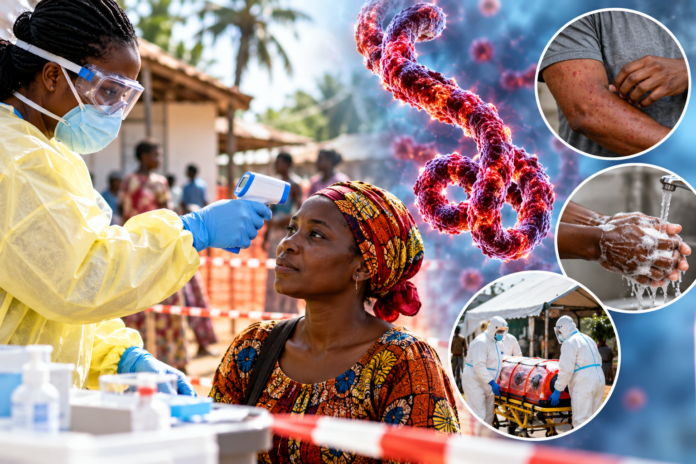
Understanding Ebola’s impact on health and how to protect yourself in everyday life.
KEY STATISTICS
- Ebola has a mortality rate of up to 90% in some outbreaks, highlighting the disease’s severity.
- Since 1976, there have been over 30 recorded outbreaks of Ebola, with the most significant being in West Africa from 2014 to 2016, resulting in over 11,000 deaths.
- In the 2014-2016 outbreak, more than 28,000 cases were reported, demonstrating the rapid spread of the virus in affected regions.
Imagine walking through a bustling market, your senses filled with vibrant colors and enticing aromas. Now, picture the anxiety that creeps in when you hear about a deadly virus lurking in parts of the world, far from your daily routine. This is the reality of Ebola, a virus that has made headlines for its devastating outbreaks and high mortality rates, but what does it mean for your life today?
How This Affects Your Body and Biology
Ebola virus disease (EVD) is caused by the Ebola virus, which primarily affects humans and nonhuman primates. The virus enters the body through mucous membranes, breaks down cellular barriers, and begins to replicate within the host’s cells. Once inside, it hijacks the cellular machinery, leading to widespread apoptosis (cell death) and severe systemic inflammation.
The virus spreads rapidly, often overwhelming the immune response and creating a cascade of symptoms that can result in multi-organ failure.
At the physiological level, Ebola virus affects the vascular system, leading to increased permeability of blood vessels and hemorrhagic manifestations. The immune system’s response is initially robust but eventually becomes dysregulated, leading to a cytokine storm—a hyper-inflammatory response that damages tissues and organs. The combination of these effects contributes to the high mortality rate associated with EVD, particularly in those who do not receive timely medical intervention.
- Ebola virus hijacks host cell machinery, leading to rapid viral replication.
- The immune response becomes dysregulated, causing excessive inflammation.
- Severe symptoms arise from multi-organ failure and vascular leakage.
- Vulnerable populations include those with weakened immune systems.
Why Adults in Their 30s and 40s Face Unique Vulnerabilities
Adults in their 30s and 40s may face unique vulnerabilities when it comes to Ebola, primarily due to factors such as hormonal changes, immune system maturity, and metabolic stressors. This demographic may experience a slower immune response compared to younger adults, making it more challenging to combat viral infections effectively. Additionally, chronic stressors prevalent in this age group, such as work-life balance and family responsibilities, can further compromise immune function, increasing susceptibility to severe disease outcomes.
Moreover, emerging research suggests that hormonal fluctuations can affect how effectively the body responds to viral infections. For instance, the balance of cortisol, a hormone released during stress, can modulate immune responses, potentially leading to a heightened risk of severe symptoms in adults experiencing chronic stress. The combination of these factors necessitates a proactive approach to health and wellness for individuals in their 30s and 40s, particularly in the event of an Ebola outbreak.
- Weakened immune responses due to hormonal changes can increase risk.
- Chronic stress may further compromise immune function.
- Metabolic factors can influence the severity of viral infections.
Warning Signs and Early Symptoms to Watch For
- Fever: A sudden onset of fever is often the first sign of infection, typically exceeding 101.5°F (38.6°C).
- Severe headache: A debilitating headache that does not respond to common pain relief should raise concern.
- Muscle pain: Unexplained muscle and joint pain can signify the onset of Ebola.
- Fatigue: Extreme fatigue and weakness are common early signs of the disease.
- Gastrointestinal symptoms: Nausea, vomiting, and diarrhea can develop as the disease progresses.
- Hemorrhagic symptoms: In more severe cases, bleeding from mucous membranes or internal bleeding may occur.
Evidence-Based Diet and Lifestyle Strategies That Work
To strengthen your immune system and reduce the risk of severe outcomes from viral infections, including Ebola, adopting a holistic approach to diet and lifestyle is essential. Consuming a nutrient-dense diet rich in antioxidants, vitamins, and minerals can help support immune function. Foods high in vitamin C, such as citrus fruits and leafy greens, and those rich in zinc, such as nuts and seeds, have been shown to enhance immune responses.
Incorporating regular physical activity into your routine not only helps maintain a healthy weight but also supports overall immune health. Exercise has been linked to the regulation of inflammatory responses and improved immune surveillance. Additionally, managing stress through mindfulness practices, such as meditation and yoga, can bolster immune function, helping the body respond more effectively to viral infections.
- Consume a diet high in antioxidants, vitamins, and minerals.
- Include foods rich in vitamin C and zinc for immune support.
- Engage in regular physical activity to enhance overall health.
- Practice stress management techniques to support immune function.
Your Daily Action Plan Checklist
- Stay informed about Ebola and other viral outbreaks through reliable health sources.
- Prioritize a balanced diet rich in whole foods, fruits, and vegetables.
- Engage in at least 150 minutes of moderate exercise each week.
- Practice mindfulness or stress-reduction techniques regularly.
- Ensure adequate sleep, aiming for 7-9 hours per night.
- Maintain proper hand hygiene and avoid close contact with sick individuals.
The Overlooked Role of Sleep, Stress, and Systemic Health
The interplay between sleep, stress, and systemic health plays a critical role in how your body responds to infections like Ebola. Chronic sleep deprivation can lead to dysregulation of immune function, increasing susceptibility to infections. Additionally, high levels of chronic stress can elevate cortisol levels, which can suppress the immune response and hinder the body’s ability to fight off infections.
Addressing these systemic factors is essential for overall health. Practicing good sleep hygiene and managing stress through relaxation techniques can improve resilience against viral infections. As your body navigates the challenges of daily life, maintaining a holistic approach to health can significantly impact your overall well-being and immune function.
- Chronic sleep deprivation can weaken immune responses.
- High stress levels can suppress the immune system.
- Prioritizing sleep and stress management can improve health outcomes.
Bottom Line
Understanding Ebola’s complexities is crucial, particularly for adults in their 30s and 40s who face unique vulnerabilities. By adopting proactive health strategies, maintaining awareness of warning signs, and prioritizing overall well-being, you can empower yourself to navigate health challenges with resilience. Remember, a well-supported immune system is your best defense against viral threats.
365 Live Long — always consult a qualified healthcare provider before making changes to your health routine.
Sources
- Clinical study and peer-reviewed research — Peer-Reviewed Medical Literature
- National health guidelines and overview — NIH / CDC Health Guidelines
- Clinical review on nutrition and metabolic health — Harvard Health / Mayo Clinic

