
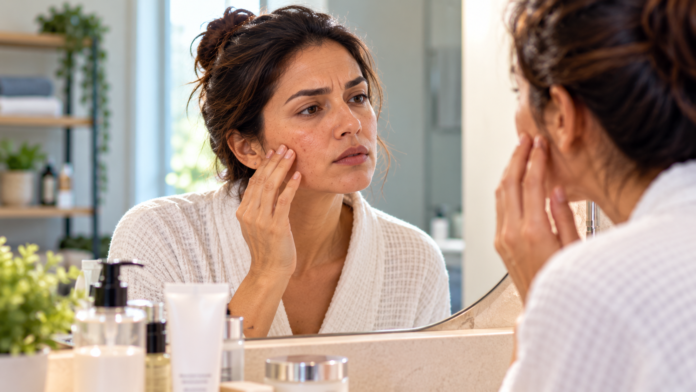
Understanding the silent messages your skin communicates about your health and lifestyle choices.
KEY STATISTICS
- Approximately 60% of adults experience skin issues related to stress and diet.
- Studies show that 80% of skin aging is due to environmental factors, including UV exposure.
- Research indicates that 30% of adults in their 30s report increased skin sensitivity and reactions.
Each morning as you glance in the mirror, your skin can tell a story—a canvas reflecting not just your physical appearance but also your emotional and physical health. Whether it’s a sudden breakout, unusual dryness, or unexpected sensitivity, the condition of your skin can signal underlying health issues that might require attention.
As adults in your late 30s and 40s, you might begin to notice these changes more frequently. It’s essential to understand that your skin is not just an outer layer; it’s a dynamic organ that interacts with your environment, lifestyle choices, and internal health. This article will delve into what your skin is telling you and how it relates to your overall well-being.
How This Affects Your Body and Biology
Your skin is the largest organ of your body, comprising multiple layers that serve as a barrier and a communicator. The outermost layer, the epidermis, contains keratinocytes, which produce keratin—a protein that helps protect your skin from environmental damage. Beneath this layer, the dermis houses blood vessels, nerves, and connective tissues that play crucial roles in skin health.
As you age, the production of collagen and elastin decreases, leading to reduced skin elasticity and increased signs of aging.
When your skin reacts to external stimuli—like stress, poor diet, or hormonal fluctuations—it’s often a reflection of your body’s internal state. For instance, inflammation from dietary choices can exacerbate conditions like eczema and acne by altering the skin microbiome. Research has shown that a diet high in sugar and processed foods can lead to glycation, a process that damages collagen and accelerates aging.
Understanding these biological mechanisms can empower you to make informed choices that positively impact your skin and overall health.
- Skin acts as a barrier, protecting against pathogens and environmental damage.
- Keratinocytes and other skin cells communicate with immune cells to manage inflammation.
- Hormonal changes during your 30s and 40s can affect skin hydration and elasticity.
- Dietary choices can influence skin health through mechanisms such as glycation and inflammation.
Why Adults in Their 30s and 40s Face Unique Vulnerabilities
As you enter your late 30s and 40s, your body undergoes various physiological changes that can uniquely affect skin health. Hormonal fluctuations, such as those associated with perimenopause, can lead to increased dryness and sensitivity. Estrogen plays a vital role in maintaining skin hydration and elasticity; as its levels decline, you may notice more pronounced fine lines and sagging skin.
Additionally, metabolic changes can impact how your skin responds to environmental stressors. A decrease in cell turnover might lead to duller skin, while age-related changes in fat distribution can affect the skin’s appearance. This age demographic is also more likely to experience chronic stress, which can exacerbate skin issues like acne and eczema, creating a cycle of stress and skin problems.
- Hormonal changes can lead to increased skin dryness and sensitivity.
- Metabolic shifts may result in slower cell turnover and duller skin.
- Chronic stress is more prevalent, contributing to skin issues.
Warning Signs and Early Symptoms to Watch For
- Increased dryness: Skin loses moisture more rapidly, leading to flakiness and irritation.
- Unexplained breakouts: Sudden acne can signal hormonal imbalances or dietary issues.
- Redness or inflammation: Persistent redness may indicate underlying conditions like rosacea.
- Sensitivity: Increased reactivity to products or environmental changes can suggest barrier dysfunction.
- Changes in pigmentation: Uneven skin tone or new spots can be signs of sun damage or hormonal changes.
- Fine lines and wrinkles: The emergence of these signs can indicate reduced collagen production.
Evidence-Based Diet and Lifestyle Strategies That Work
Adopting a balanced diet rich in antioxidants, healthy fats, and hydration can significantly improve skin health. Foods high in vitamins C and E, such as citrus fruits and nuts, help combat oxidative stress and promote collagen production. Omega-3 fatty acids, found in fish and flaxseeds, contribute to maintaining skin barrier integrity and reducing inflammation.
Incorporating plenty of water and herbal teas can also enhance hydration, giving your skin a plump, youthful appearance.
Additionally, consider lifestyle changes that mitigate stress. Practices like yoga, meditation, or even simple breathing exercises can help lower cortisol levels, reducing stress-induced skin flare-ups. Avoiding excessive alcohol and nicotine can further help maintain skin vitality.
By making these dietary and lifestyle adjustments, you can nurture your skin and improve its resilience against aging and environmental stressors.
- Incorporate antioxidant-rich foods like berries and leafy greens.
- Include healthy fats from sources like avocados and nuts.
- Stay hydrated with water and herbal teas.
- Practice stress-reducing techniques such as meditation or yoga.
Your Daily Action Plan Checklist
- Start each day with a glass of water to promote hydration.
- Incorporate a fruit or vegetable high in Vitamin C into your breakfast.
- Engage in at least 20 minutes of physical activity to boost circulation.
- Practice mindfulness or relaxation techniques for 10 minutes daily.
- Use a moisturizer suited for your skin type every morning and night.
- Limit processed foods and sugar intake for better skin health.
The Overlooked Role of Sleep, Stress, and Systemic Health
Sleep plays a critical role in skin health, as this is when your body repairs itself. Studies have suggested that inadequate sleep can lead to increased signs of aging and a compromised skin barrier, making it more susceptible to environmental damage. Aim for 7-9 hours of quality sleep each night to allow your skin to regenerate effectively.
Chronic stress, on the other hand, elevates cortisol levels, which can exacerbate skin conditions such as acne, eczema, and psoriasis. By managing stress through relaxation techniques and sleep hygiene, you can enhance your skin’s health and appearance. A holistic approach considering both sleep and stress management is essential for maintaining optimal skin condition.
- Aim for 7-9 hours of quality sleep to enhance skin repair.
- Manage stress through relaxation techniques to reduce cortisol levels.
- Recognize the interconnectedness of systemic health and skin appearance.
Bottom Line
Your skin is more than just a protective barrier; it’s a vital indicator of your overall health. By understanding what your skin is telling you, you can take proactive measures to improve both its appearance and your internal well-being. Embrace dietary changes, manage stress levels, and prioritize sleep to foster a healthy, radiant complexion that reflects your inner vitality.
365 Live Long — always consult a qualified healthcare provider before making changes to your health routine.
Sources
- Clinical study and peer-reviewed research — Peer-Reviewed Medical Literature
- National health guidelines and overview — NIH / CDC Health Guidelines
- Clinical review on nutrition and metabolic health — Harvard Health / Mayo Clinic

