
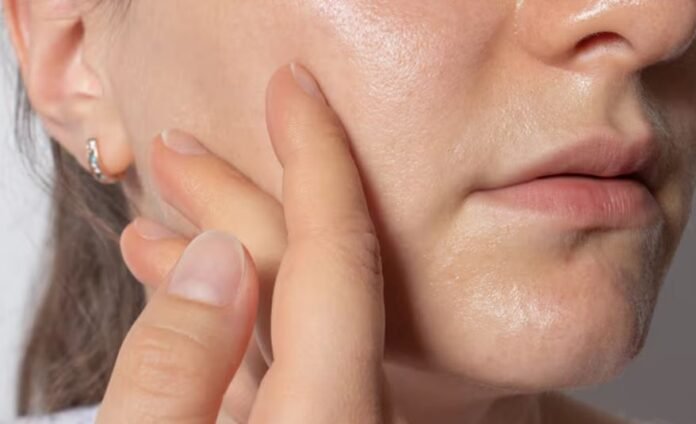
The food on your plate is driving the shine on your face — and the fix is simpler than any skincare product.
KEY STATISTICS
- A 2020 study published in the Journal of the Academy of Nutrition and Dietetics found that high glycemic diets increased acne severity by up to 50% compared to low glycemic diets.
- Research from Harvard Medical School suggests that dairy consumption — particularly skim milk — is associated with a significantly higher risk of acne and excess sebum production in young adults.
- The global skincare market is worth over $180 billion, yet studies show that dietary changes alone can reduce oiliness and breakouts within as little as 12 weeks.
You have tried every toner, mattifying moisturiser, and blotting sheet on the market — and your skin is still oily by midday. What most people never consider is that excess oil on the skin is often a signal from inside the body, not just a surface-level problem. Your diet, specifically what you eat every single day, may be driving your sebaceous glands to overproduce.
How Food Drives Sebum
Sebum is the natural oil your skin produces to stay moisturised and protected. When sebaceous glands are overstimulated, they produce too much, leading to clogged pores, shine, and breakouts.
The key driver behind this overstimulation is insulin. When you eat high glycemic foods — white bread, sugary drinks, processed snacks — your blood sugar spikes rapidly. Your body responds by releasing insulin, and high insulin levels trigger a cascade that increases androgen activity.
Androgens are hormones that directly stimulate sebum production. The more your insulin spikes throughout the day, the more your skin is pushed to produce oil. This is not a cosmetic quirk — it is a metabolic response.
Dairy adds another layer. Milk naturally contains hormones and growth factors, including IGF-1, which further amplifies androgen activity. This means two glasses of milk daily could be doing more to your skin than your entire skincare routine.
Why Your Age Matters
Adults between 25 and 35 are in a unique hormonal window where androgen sensitivity remains elevated, even after the peak teenage years. This means your skin can still react strongly to insulin spikes and dairy-driven IGF-1 signals.
At this age, lifestyle habits are also shifting. More stress, irregular meals, convenience foods, and protein shakes containing whey — all of which can push sebum production higher — become common parts of daily life.
Many people in this age group assume oily skin is genetic and stop questioning it. But genetics set the baseline — diet and lifestyle determine how far above that baseline your sebaceous glands actually operate.
Warning Signs to Watch For
- Skin becomes noticeably oily within one to two hours of waking, even after washing your face
- Breakouts or clogged pores appear consistently around the jawline, chin, or forehead after eating certain foods
- Skin feels greasy after meals that are high in refined carbohydrates or dairy-heavy
- You experience energy crashes in the afternoon alongside increased skin shine — both signs of blood sugar instability
- Oiliness worsens during high-stress periods, suggesting cortisol and insulin are compounding the problem
What Actually Helps
The most evidence-backed dietary shift for reducing sebum production is lowering your glycemic load. This does not mean cutting carbohydrates entirely — it means swapping fast-digesting carbs for slower ones.
Switch white rice for brown rice or quinoa. Replace white bread with wholegrain or sourdough. Eat fruit with protein rather than alone to slow the blood sugar response.
These swaps reduce the insulin spikes that fuel sebum production.
For dairy, the evidence points most strongly to skim milk and whey protein as the main drivers of skin oiliness — not all dairy equally. Fermented options like plain Greek yoghurt or kefir appear to have a lower impact, possibly due to altered hormone activity during fermentation.
Omega-3 fatty acids from oily fish, flaxseeds, and walnuts have been shown to reduce inflammatory markers in the skin and may help regulate sebaceous gland activity. Zinc, found in pumpkin seeds, chickpeas, and lean red meat, plays a direct role in controlling sebum and is frequently low in people with persistent acne and oily skin.
Action Plan Checklist
- Replace high glycemic foods — white bread, sugary cereals, fizzy drinks — with lower glycemic alternatives like oats, lentils, and wholegrain options
- Reduce or eliminate skim milk and whey protein for a minimum of eight weeks and monitor changes in skin oiliness and breakouts
- Add two to three servings of omega-3-rich foods weekly — salmon, sardines, walnuts, or ground flaxseed — to support anti-inflammatory skin function
- Increase zinc-rich foods such as pumpkin seeds, chickpeas, or lean beef, as zinc deficiency is linked directly to higher sebum output
- Keep a simple food and skin diary for four weeks — note what you eat and how your skin behaves the following day to identify your personal triggers
The Gut-Skin Connection
One angle almost nobody talks about is the gut-skin axis. Your gut microbiome communicates directly with your skin through inflammatory signals, and when the gut is imbalanced — often caused by low-fibre, high-sugar diets — it can drive systemic inflammation that worsens sebum production.
Eating more prebiotic fibre from foods like garlic, onions, leeks, and oats feeds beneficial gut bacteria. A healthier microbiome helps regulate inflammation throughout the body, including in the skin.
This does not mean you need expensive probiotic supplements. Simply eating a wider variety of whole plant foods each week is one of the most effective ways to shift your gut environment — and your skin may reflect that change within weeks.
Bottom Line
Oily skin is not just a skincare problem — it is often a metabolic message. By reducing high glycemic foods, moderating dairy intake, and supporting your gut with fibre and omega-3s, you give your body the conditions it needs to regulate sebum naturally. Start with one dietary change this week and give it at least eight weeks to see results.
Always consult a qualified healthcare provider before making changes to your health routine.
Sources
- Diet and acne: a review of the evidence — Journal of the Academy of Nutrition and Dietetics
- Milk consumption and acne in adolescents — Journal of the American Academy of Dermatology
- The role of insulin-like growth factor-1 in acne pathogenesis — Dermato-Endocrinology
- Omega-3 fatty acids and skin inflammation — American Journal of Clinical Nutrition
- The gut-skin axis and its role in inflammatory skin conditions — Frontiers in Microbiology

