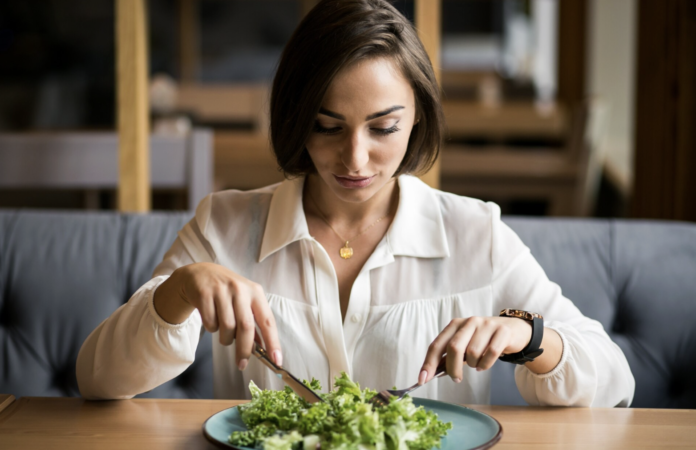
The bowl you think is healthy may be quietly wrecking your energy, hunger, and blood sugar — here is what to fix.
KEY STATISTICS
- A 2021 study in the American Journal of Clinical Nutrition found that high-glycemic toppings added to otherwise healthy meals can raise post-meal blood glucose by up to 40% compared to the same meal without them.
- The American Diabetes Association reports that hidden sugars in commercial salad dressings are among the top underestimated sources of added sugar in the average adult diet.
- Research published in Cell Metabolism found that glucose spikes followed by rapid drops — a pattern triggered by high-sugar meals — are directly linked to increased hunger within 2 to 4 hours of eating.
You built a salad. Greens, veggies, maybe some protein. It felt like the right choice.
But an hour later you are craving something sweet, your energy has dropped, and you cannot figure out why — and the answer is almost certainly sitting in the dressing bottle or the toppings you added without thinking.
What Blood Sugar Does
When you eat carbohydrates or sugar, your body breaks them down into glucose and releases it into your bloodstream. Your pancreas then releases insulin to move that glucose into your cells for energy.
The problem happens when glucose enters the bloodstream too fast. Insulin spikes sharply in response, clears the glucose too aggressively, and your blood sugar drops below where it started. That drop is what causes the familiar afternoon crash, the sudden hunger, and the craving for something sugary or starchy.
This cycle is not just uncomfortable — it places repeated stress on your metabolic system. Over time, frequent spikes and crashes can reduce insulin sensitivity, meaning your body has to work harder and harder to manage normal blood sugar levels.
Why Your Age Matters
Adults between 25 and 35 are in what researchers call a metabolic window — a period where habits are being set that will determine long-term insulin health, weight stability, and energy levels for decades ahead.
Many people in this age group feel invincible. Blood sugar problems are associated with older adults or people with obvious weight issues, so the warning signs in younger bodies often go unnoticed or are blamed on stress or poor sleep.
The reality is that insulin resistance can begin developing silently years before it shows up in standard blood tests. The choices you make with food right now — including the salads you think are healthy — are either protecting that metabolic window or slowly narrowing it.
Warning Signs to Watch For
- You feel hungry again within 90 minutes to 2 hours of finishing a meal
- You experience a noticeable energy dip in the early afternoon, even after eating lunch
- You crave something sweet or starchy immediately after finishing a savoury meal
- You feel irritable, foggy, or low in concentration before your next meal
- You feel briefly energised after eating but crash hard within 30 to 60 minutes
What Actually Helps
The most common salad offenders are things that look healthy on the surface. Sweetened dressings like honey mustard, low-fat balsamic, and raspberry vinaigrette can contain 8 to 15 grams of added sugar per serving — and most people use more than one serving.
Croutons, candied nuts, dried cranberries, and corn are all high on the glycaemic index and can turn a fibre-rich bowl into a glucose spike waiting to happen. Even fruit-heavy salads, while nutritious, can push blood sugar up quickly if there is no fat or protein to slow the absorption.
The fix is not to abandon salads — it is to build them differently. Prioritise protein first: grilled chicken, eggs, salmon, lentils, or chickpeas. Add healthy fat from avocado, olive oil, or plain nuts.
These two elements slow glucose absorption and keep blood sugar far more stable after eating.
For dressing, make a simple base of extra virgin olive oil and apple cider vinegar or lemon juice. Research suggests that acetic acid in vinegar can reduce post-meal blood sugar spikes by slowing gastric emptying. If you want sweetness, use a very small amount of Dijon mustard rather than sugary commercial options.
Action Plan Checklist
- Check the nutrition label on every bottled dressing — reject any that contain more than 4 grams of sugar per serving
- Add a source of protein to every salad: aim for at least 20 grams from chicken, eggs, fish, or legumes
- Include a healthy fat such as half an avocado, a handful of plain almonds, or a drizzle of quality olive oil
- Swap dried fruit and croutons for fresh cucumber, roasted seeds, or raw vegetables to keep glycaemic load low
- Make your own dressing using olive oil, lemon juice or apple cider vinegar, and a pinch of salt — ready in under two minutes
The Overlooked Eating Order
One overlooked factor is eating order within the meal itself. Research from Weill Cornell Medical College found that eating vegetables and protein before any higher-carb element of a meal can reduce the post-meal glucose spike by up to 36%.
This means if your salad contains higher-carb additions like corn, chickpeas, or pitta on the side, eating the greens and protein components first gives your body a buffer before the glucose hits.
It sounds almost too simple, but the sequence of what enters your stomach influences how fast the whole meal is digested and absorbed. This is a free, no-equipment change that can make a measurable difference to how you feel after lunch every single day.
Bottom Line
A salad can absolutely be one of the healthiest meals you eat — but only if it is built with intention. Protein, healthy fat, low-sugar dressing, and smart toppings are what separate a blood-sugar-stable meal from one that leaves you crashing and craving by mid-afternoon. The ingredients matter far less than how you combine them.
Always consult a qualified healthcare provider before making changes to your health routine.
Sources
- Dietary glycaemic index and post-meal blood glucose response in healthy adults — American Journal of Clinical Nutrition
- Added sugars in commercial salad dressings and their impact on daily intake — American Diabetes Association — Standards of Medical Care
- Postprandial glucose spikes, hunger signalling, and appetite regulation — Cell Metabolism
- Food order and its effect on postprandial glucose and insulin levels — Diabetes Care — Weill Cornell Medical College
- Vinegar ingestion and attenuation of postprandial glycaemia in healthy adults — European Journal of Clinical Nutrition