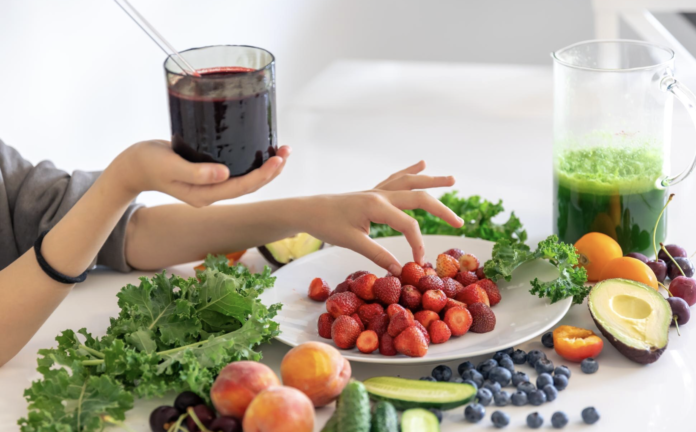
The way you combine antioxidant foods could be quietly undermining your cells — here is what the science actually says.
KEY STATISTICS
- Research published in the American Journal of Clinical Nutrition found that certain food pairings can reduce antioxidant absorption by up to 67% compared to optimised combinations.
- A study from the NIH found that oxidative stress — the damage antioxidants are meant to fight — is significantly elevated in adults in their 30s who follow high-antioxidant diets but absorb very little of what they consume.
- According to Harvard Health, most adults consume antioxidant-rich foods daily yet show measurable signs of antioxidant deficiency due to poor bioavailability from their diet.
You eat blueberries for breakfast, drink green tea with lunch, and finish the day with a spinach salad. On paper, your antioxidant intake looks impressive. But if you are pairing these foods the wrong way, your body may be absorbing a fraction of what you think — and your cells may be aging faster because of it.
Why Absorption Is Everything
Antioxidants are compounds that neutralise free radicals — unstable molecules that damage DNA, proteins, and cell membranes through a process called oxidative stress. When free radical damage accumulates faster than your body can repair it, cellular aging accelerates.
The problem is not whether you eat antioxidants. The problem is bioavailability — how much actually reaches your cells. Many antioxidants are fat-soluble, meaning they need dietary fat present to be absorbed through your gut wall.
Without it, they pass straight through your digestive system unused.
Other antioxidants compete for the same absorption pathways. Consuming very high doses of one antioxidant — such as beta-carotene from carrots — can actually block the absorption of others like lycopene or lutein. This competitive inhibition is well-documented but almost never talked about in mainstream nutrition advice.
Some food combinations actively reduce antioxidant potency. Tannins in black tea bind to the flavonoids in fruit, forming insoluble compounds your gut cannot process. Drinking black tea alongside a berry-rich meal may feel healthy but can measurably reduce the benefit of both.
Why Your 30s Are Critical
Adults in their late 20s and 30s experience a gradual but real decline in the body’s internal antioxidant production. Enzymes like superoxide dismutase and glutathione peroxidase — your built-in free radical defence — begin producing less efficiently during this decade.
This means you become more reliant on dietary antioxidants precisely at the age when your lifestyle is often most oxidatively stressful. Long work hours, disrupted sleep, processed food, alcohol, and chronic low-grade stress all increase free radical load.
If your diet looks antioxidant-rich but your absorption is poor, your cells are running a deficit. That deficit does not cause dramatic symptoms overnight — it accumulates quietly over years, showing up later as accelerated skin aging, cognitive decline, cardiovascular risk, and increased inflammation.
Warning Signs To Watch
- Persistent fatigue despite eating what feels like a clean, colourful diet — low antioxidant absorption leaves cells under-protected and mitochondrial function impaired
- Skin that looks dull, ages faster than expected, or recovers slowly from sun exposure — skin cells are highly vulnerable to unmitigated oxidative stress
- Frequent illness or slow recovery — antioxidants support immune cell function and inadequate absorption weakens your first line of defence
- Brain fog or difficulty concentrating — the brain is one of the highest consumers of antioxidant protection and is particularly sensitive to oxidative damage
- Inflammation markers such as joint aches, puffy eyes, or digestive discomfort that do not resolve despite a seemingly nutritious diet
What Actually Helps
The most practical shift you can make is adding a small amount of healthy fat to every antioxidant-rich meal. Lycopene in tomatoes, beta-carotene in carrots, lutein in leafy greens, and astaxanthin in salmon are all fat-soluble. A drizzle of olive oil, half an avocado, or a small handful of walnuts alongside these foods can increase their absorption dramatically.
Research from Ohio State University found that adding avocado to a salad increased carotenoid absorption by three to five times compared to eating the same salad with no fat. This is not a minor tweak — it is a fundamental shift in how much nutritional value you actually extract.
Separate your black or green tea from your main antioxidant meals by at least 30 minutes. The polyphenols in tea are beneficial on their own, but the tannins they contain bind to antioxidant compounds in fruit and vegetables, reducing absorption for both. Drink your tea between meals rather than with them.
Diversity matters more than volume. Eating a wider range of antioxidant sources — different colours, different plant families — avoids the competitive absorption problem. Rotating your sources across the week ensures your body gets a broad spectrum without any single antioxidant crowding out another.
Action Plan Checklist
- Pair every fat-soluble antioxidant food (carrots, spinach, tomatoes, sweet potato, kale) with a small serving of healthy fat such as olive oil, avocado, or nuts at the same meal
- Move black or green tea consumption to between meals — at least 30 minutes away from antioxidant-rich fruits and vegetables — to prevent tannin interference
- Rotate your antioxidant sources across the week using the colour method: aim for red, orange, yellow, green, blue, and purple plant foods across 7 days
- Cook tomatoes in olive oil — heat breaks down the cell wall and increases lycopene bioavailability by up to four times compared to raw tomatoes alone
- Limit high-dose antioxidant supplements taken alongside food, as supplemental mega-doses of one antioxidant (particularly beta-carotene or vitamin E) can competitively reduce absorption of others from your meal
The Gut Health Factor
The overlooked factor in antioxidant absorption is gut health. If your gut lining is compromised — something increasingly common in adults in their 30s due to stress, alcohol, NSAIDs, and processed food — even the best food pairings cannot fully compensate.
A damaged gut epithelium has reduced surface area for nutrient absorption. Antioxidants that might otherwise be absorbed end up passing through or triggering inflammation rather than reducing it. This creates a frustrating cycle where the very inflammation you are trying to reduce prevents your body from absorbing the compounds that would help.
Focusing on gut lining integrity — through fermented foods, adequate fibre diversity, and reducing chronic NSAID use where possible — creates the foundation that makes antioxidant pairings actually work. Without a functional gut, even a perfectly optimised antioxidant plate delivers diminishing returns.
Bottom Line
Eating antioxidant-rich foods is only half the equation. How you pair them, what you eat them with, and the condition of your gut determines how much your cells actually receive. Small, strategic changes to your existing meals — not an overhaul of your entire diet — can meaningfully increase how much protection you absorb every single day.
Always consult a qualified healthcare provider before making changes to your health routine.
Sources
- Dietary fat increases carotenoid bioavailability from vegetables — American Journal of Clinical Nutrition
- Oxidative stress and antioxidant status across the lifespan — NIH — National Institute on Aging
- Polyphenols and tannins: impact on nutrient bioavailability — Harvard Health Publishing
- Carotenoid absorption enhanced by avocado co-consumption — Journal of Nutrition — Ohio State University Research
- Antioxidant competition and inhibition at the intestinal absorptive level — National Library of Medicine — PubMed