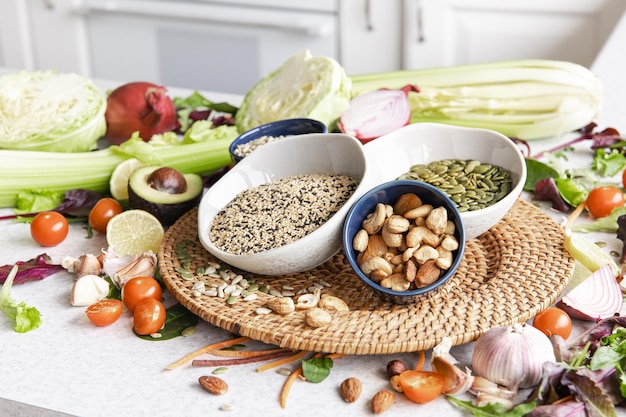
Ancient Grains, Modern Gains
The search for the proverbial fountain of youth has been a quest of humankind for centuries. While mythical elixirs remain beyond our grasp, the key to longevity may lie in something much more tangible—and edible: ancient grains. These nutritional powerhouses, hailing from the storied past, are now at the forefront of modern dietary trends, promising a wealth of health benefits. Discover how incorporating ancient grains into your diet can contribute to a longer, healthier life.
Grains with a Legacy
Ancient grains, such as quinoa, farro, spelt, and amaranth, are distinguished by their minimal genetic modification over the millennia. This enduring authenticity means that they retain a nutrient profile untainted by modern agricultural practices. Packed with essential vitamins, minerals, and fiber, these grains boast a unique ability to support cellular repair and reduce inflammation, thanks to their rich antioxidant content.
Unlike their refined counterparts, ancient grains maintain their bran and germ, which are chock-full of phytochemicals and phenolic compounds. These bioactive substances play a vital role in the body’s defense against oxidative stress and chronic diseases. The high fiber content also aids in stabilizing blood sugar levels, thus reducing the risk of Type 2 diabetes—a chronic condition that can significantly shorten lifespan.
Embracing the Grains
Incorporating ancient grains into your daily diet is simpler than you might think. Here are some practical steps to start your journey:
- Experiment with Breakfast: Swap your regular oats for quinoa porridge or amaranth bowl.
- Salad Boosters: Toss cooked farro or spelt into your salads for added texture and nutrients.
- Whole Grain Baking: Use spelt flour as a substitute in your baking recipes for a nutty flavor and nutritional upgrade.
- Side Dish Revival: Replace white rice with quinoa or bulgur as a fiber-rich side dish.
- Snacks and More: Make homemade granola bars using a blend of ancient grains, nuts, and seeds.
Harmony in Health
The integration of ancient grains into your diet synergizes effectively with other healthy lifestyle choices. Regular physical activity, adequate hydration, and a diet rich in fruits and vegetables complement the benefits of these grains. Together, they form a holistic approach to well-being, enhancing metabolic health, supporting heart function, and improving digestive efficiency.
Moreover, ancient grains are gluten-free options for those with sensitivities, broadening their appeal and accessibility. Their diverse applications in recipes, from savory to sweet, ensure that you can enjoy a varied and balanced diet without compromising on taste or health.
Sustaining Health through Time
The long-term impact of embracing a diet rich in ancient grains is profound. Regular consumption is associated with a reduced risk of chronic diseases, such as cardiovascular disease and certain cancers, due to their dense nutritional profile. By promoting a healthy weight, supporting immune function, and enhancing gut health, ancient grains play a crucial role in fostering a life of vitality and longevity.
Moreover, these grains support environmental sustainability. Their resilience to harsh climates and low resource requirements make them a viable choice for sustainable agriculture, aligning your health goals with ecological responsibility.
Grains of Wisdom
In summary, the ancient grains that nourished our ancestors hold the potential to enrich our modern lives with health and longevity. By weaving these grains into the fabric of your diet, you are not just opting for nutritional excellence but also embracing a lifestyle that honors the past while nurturing the future. The journey to longevity starts with a single grain—an ancient one, at that.
Sources
The Nutritional Benefits of Ancient Grains
Harvard Health on Ancient Grains
World Health Organization: Healthy Diet
Impact of Ancient Grains on Health and Longevity