
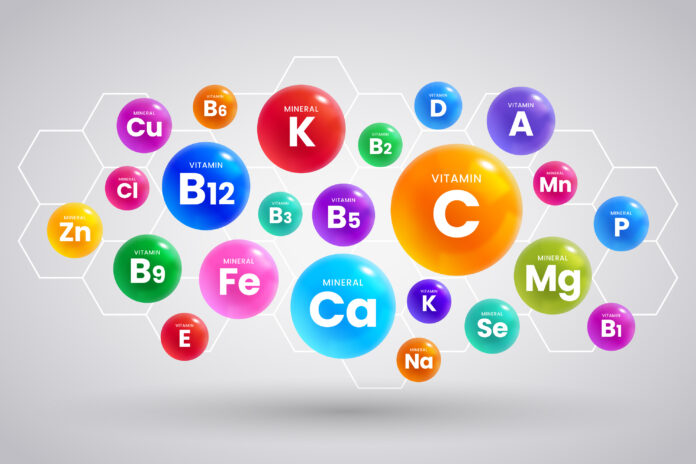
Popular heartburn medications quietly drain essential nutrients from your body
KEY STATISTICS
- Over 15 million Americans take proton pump inhibitors daily for acid reflux
- Long-term PPI use increases vitamin B12 deficiency risk by 65%
- Magnesium deficiency affects up to 25% of regular antacid users
Your heartburn medication might be solving one problem while creating several others. Proton pump inhibitors and antacids don’t just block stomach acid — they block your body’s ability to absorb crucial vitamins and minerals. The result is often unexplained fatigue, brain fog, and weakness that gets blamed on stress or aging.
How Acid Affects Absorption
Stomach acid does more than break down food — it’s essential for absorbing vitamin B12, magnesium, iron, and calcium. When you suppress acid production with medications like omeprazole or esomeprazole, you create an absorption bottleneck.
Vitamin B12 needs stomach acid to separate from food proteins before it can be absorbed in your small intestine. Without adequate acid, B12 stays bound to proteins and passes right through your system unused.
Magnesium absorption happens primarily in your small intestine, but the process requires the right pH balance that stomach acid helps maintain. Iron absorption follows a similar pattern — your body converts iron into its absorbable form only in an acidic environment.
Why Your Age Matters
Adults in their twenties and thirties often start taking acid blockers for stress-related heartburn or GERD symptoms. What begins as occasional use frequently becomes daily dependence, especially with demanding careers and irregular eating patterns.
Your body’s natural absorption capacity is still strong at this age, which masks early deficiency symptoms. You might attribute fatigue to work stress or poor sleep rather than nutrient depletion building quietly in the background.
The longer you use these medications now, the harder it becomes to restore normal nutrient levels later. Your body’s stores of B12 and magnesium can sustain you for months or even years before obvious symptoms appear.
Warning Signs to Watch
- Persistent fatigue that doesn’t improve with better sleep
- Brain fog, difficulty concentrating, or memory issues
- Muscle cramps, twitches, or unexplained weakness
- Restless leg syndrome or trouble falling asleep
- Brittle nails, hair loss, or slow wound healing
Strategic Medication Use
If you need acid blockers, take them strategically rather than automatically. Use the lowest effective dose and consider taking them 30-60 minutes before meals rather than with food to minimize absorption interference.
Space your medications away from vitamin-rich meals when possible. Take your PPI in the morning but eat your iron-rich lunch or B12-containing dinner several hours later when acid production naturally rebounds.
Consider acid blocker alternatives for mild symptoms. Smaller, more frequent meals reduce acid production naturally. Avoiding trigger foods like coffee, alcohol, and spicy dishes on an empty stomach often eliminates the need for daily medication.
Protect Your Nutrient Status
- Get baseline blood tests for B12, magnesium, and iron levels if you’ve used acid blockers for more than 3 months
- Take a high-quality B12 supplement (methylcobalamin form) if levels are low or borderline
- Add magnesium glycinate 200-400mg daily, taken away from acid blocker timing
- Eat iron-rich foods with vitamin C sources during medication-free windows
- Work with your doctor to gradually reduce acid blocker dependence using lifestyle changes
The Timing Factor
Timing becomes everything when you can’t eliminate acid blockers completely. Your stomach acid production follows a natural rhythm — lowest in the morning, highest with meals and in the evening.
Taking supplements or eating nutrient-dense foods during your body’s natural high-acid periods maximizes absorption despite medication interference. This means scheduling iron-rich foods for late afternoon or evening when possible.
Consider sublingual B12 supplements that absorb through your mouth tissues, bypassing the stomach acid requirement entirely. This form works especially well for people who need long-term acid suppression for medical reasons.
Bottom Line
Acid blockers serve an important purpose, but they come with hidden nutritional costs that compound over time. The key is using them strategically while protecting your nutrient status through smart supplementation and meal timing. Small adjustments now prevent bigger deficiency problems later.
Always consult a qualified healthcare provider before making changes to your health routine.
Sources
- Proton Pump Inhibitors and Vitamin B12 Deficiency — JAMA Internal Medicine
- Magnesium Depletion with Long-term PPI Use — American Journal of Gastroenterology
- Iron Absorption and Gastric Acid Suppression — British Medical Journal

