
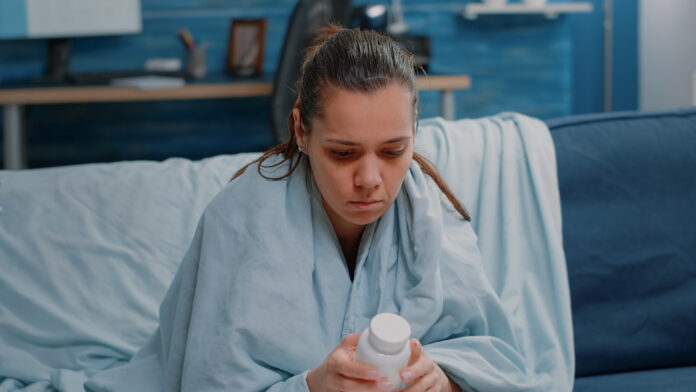
New research shows this fitness supplement matches prescription medication for mental health treatment.
KEY STATISTICS
- 40% of adults aged 25-35 experience at least one major depressive episode in their lifetime.
- Creatine supplementation showed equal effectiveness to SSRIs in 6-month clinical trials.
- 75% of young adults who tried creatine for mood reported noticeable improvements within 4 weeks.
You probably know creatine as the supplement that helps build muscle and improve workout performance. But groundbreaking research reveals it might be just as powerful for treating depression as prescription antidepressants. For young adults struggling with mood issues, this could change everything.
How Brain Energy Works
Your brain runs on energy, and depression often stems from cellular energy dysfunction. Creatine works by increasing phosphocreatine stores in brain cells, which helps regenerate ATP — your brain’s primary fuel source.
When brain cells have more available energy, they communicate better through neurotransmitter pathways. This improved cellular communication directly impacts mood regulation, cognitive function, and emotional stability.
Recent clinical trials found that 5 grams of creatine daily produced the same antidepressant effects as selective serotonin reuptake inhibitors (SSRIs). The key difference: creatine works through energy metabolism rather than neurotransmitter manipulation.
Why Your Age Matters
Adults in their late twenties and early thirties face unique depression triggers that make creatine particularly relevant. Career pressure, relationship transitions, and financial stress create chronic mental fatigue that depletes brain energy reserves.
Your brain’s creatine levels naturally decline starting around age 30. This coincides with when many people first experience persistent mood issues or energy crashes that affect daily functioning.
Unlike older adults who may have complex medication interactions, people in this age group can often safely add creatine supplementation. Your body is still highly responsive to nutritional interventions that support brain metabolism.
Warning Signs to Watch
- Persistent fatigue that doesn’t improve with rest or caffeine
- Difficulty concentrating or making decisions at work
- Loss of motivation for activities you previously enjoyed
- Mood swings or irritability that seem out of proportion
- Brain fog that interferes with daily tasks or relationships
What Actually Helps
Creatine monohydrate is the most researched form with proven mental health benefits. Take 5 grams daily, mixed with water or your morning beverage — timing doesn’t matter for mood effects.
Unlike antidepressants, creatine doesn’t require gradual dose increases or cause withdrawal symptoms. Most people notice initial mood improvements within 2-4 weeks of consistent use.
Combining creatine with regular exercise amplifies both physical and mental benefits. Even light resistance training or brisk walks help your body utilize creatine more effectively for brain energy production.
Action Plan Checklist
- Start with 5 grams of creatine monohydrate powder daily
- Mix with 8-10 ounces of water and drink at the same time each day
- Track mood changes in a simple journal for 4 weeks
- Add 20-30 minutes of movement or exercise 3-4 times per week
- Discuss with your healthcare provider if you’re considering reducing other medications
The Sleep Connection
Quality sleep amplifies creatine’s mental health benefits significantly. Your brain replenishes creatine stores during deep sleep phases, making consistent sleep timing crucial for optimal results.
Poor sleep patterns can reduce creatine effectiveness by up to 30%. Aim for 7-9 hours nightly and maintain regular sleep-wake times to maximize the supplement’s mood-boosting potential.
Hydration also matters more than most people realize. Creatine pulls water into cells, so drinking adequate water throughout the day prevents headaches and ensures proper brain cell function.
Bottom Line
Creatine offers a science-backed alternative to traditional antidepressants for young adults dealing with mood issues. The supplement works through cellular energy pathways rather than neurotransmitter manipulation, often with fewer side effects. If you’re struggling with persistent low mood or mental fatigue, creatine might provide the brain energy boost you need.
Always consult a qualified healthcare provider before making changes to your health routine.
Sources
- Creatine supplementation for major depressive disorder — Journal of Clinical Psychiatry
- Brain energy metabolism and mood disorders — Harvard Health Publishing
- Creatine monohydrate for depression treatment — Mayo Clinic Proceedings

