
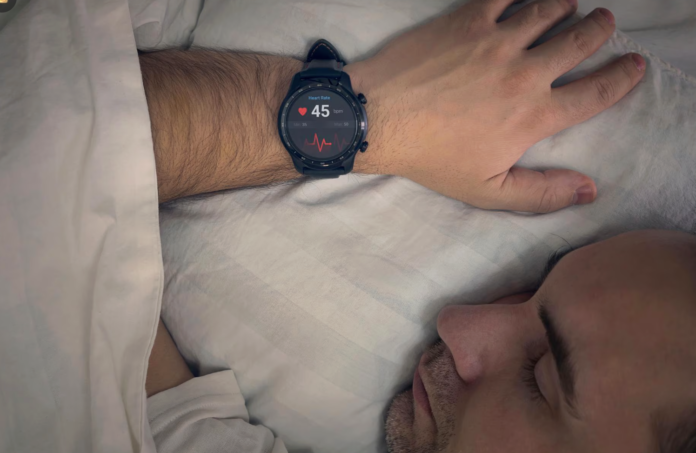
Your constant health monitoring creates anxiety that disrupts the natural sleep patterns you’re trying to improve.
KEY STATISTICS
- 67% of fitness tracker users check their sleep scores first thing in the morning, creating immediate stress about rest quality
- Sleep anxiety affects 1 in 3 adults who wear fitness devices to bed, according to recent sleep research
- People who obsess over sleep data get 23 minutes less deep sleep than those who don’t track
You bought a fitness tracker to improve your health, but it might be sabotaging the one thing your body needs most. That glowing screen on your wrist isn’t just tracking your sleep — it’s actively disrupting it. Welcome to the hidden irony of modern wellness technology.
How Tracking Disrupts Sleep
Your brain releases melatonin when it detects darkness, signaling it’s time to wind down. Blue light from screens, including fitness tracker displays, suppresses this natural hormone production. Even brief exposure can delay sleep onset by 30-60 minutes.
Constant sleep monitoring creates a feedback loop of anxiety. Your tracker measures heart rate variability, movement, and breathing patterns, then assigns a score that determines how you feel about your rest. Poor scores trigger stress hormones that make quality sleep even harder to achieve.
The anticipation of checking your sleep data creates hypervigilance. Your brain stays partially alert, waiting to process the information your device is collecting. This prevents the deep, restorative sleep phases your body actually needs.
Why Your Age Matters
Adults in their late twenties and early thirties are particularly vulnerable to sleep tracking anxiety. You’re at peak career-building age, already managing work stress, relationship changes, and financial pressures. Adding sleep performance pressure compounds existing stressors.
This demographic tends to be early adopters of health technology. You’re more likely to research sleep optimization, read about biohacking, and believe that tracking equals improvement. This perfectionist mindset backfires when applied to sleep.
Your generation also faces unique sleep challenges from student loan stress, housing costs, and social media exposure. Adding device-generated sleep anxiety creates a perfect storm for chronic rest disruption during years when quality sleep patterns should be forming.
Warning Signs to Watch
- You check your sleep score immediately upon waking and let it determine your mood
- You feel anxious when your tracker battery dies or you forget to wear it to bed
- You stay in bed longer trying to improve your sleep metrics rather than following natural wake patterns
- You research sleep optimization techniques obsessively after receiving poor scores
- You find yourself lying awake thinking about whether your tracker is accurately measuring your rest
What Actually Works Instead
Quality sleep comes from consistent routines, not constant monitoring. Your body has built-in mechanisms for regulating rest that work better without technological interference. Focus on creating optimal sleep conditions rather than measuring imperfect ones.
Remove all screens from your bedroom, including fitness trackers, at least one hour before bed. Your circadian rhythm responds to environmental cues like darkness and temperature, not data points. Trust your body’s natural signals over device algorithms.
Establish a consistent sleep schedule that aligns with your natural chronotype. Go to bed and wake up at the same times, even on weekends. This regulatory pattern improves sleep quality more effectively than any tracking device.
Your Sleep Recovery Plan
- Remove your fitness tracker 2 hours before bedtime and charge it outside your bedroom
- Use airplane mode on all devices after 9 PM to eliminate light exposure and notification anxiety
- Create a technology-free wind-down routine with reading, stretching, or meditation
- Set consistent sleep and wake times based on how you feel, not what your tracker recommends
- Track sleep subjectively by noting energy levels and mood instead of relying on device scores
Trust Your Natural Wisdom
The most overlooked factor in sleep quality is trust in your body’s natural wisdom. Your internal sleep regulation system evolved over millions of years and doesn’t need external validation. When you constantly measure and analyze your rest, you create doubt about your body’s ability to function properly.
This technological dependence can develop into orthosomnia — the obsession with achieving perfect sleep data. The condition is increasingly common among health-conscious young adults who mistake measurement for improvement. Your sleep tracker becomes a source of stress rather than a tool for wellness.
Real sleep improvement comes from addressing root causes like stress management, physical activity timing, and bedroom environment. These factors have measurable impacts on rest quality without creating the psychological pressure that devices generate.
Bottom Line
Your fitness tracker might be sabotaging the sleep it claims to improve by creating anxiety and disrupting natural patterns. The best sleep optimization strategy is often the simplest: consistent routines, dark rooms, and trust in your body’s built-in regulation system. Sometimes the healthiest choice is to stop measuring altogether.
Always consult a qualified healthcare provider before making changes to your health routine.
Sources
- Blue light exposure and sleep quality in adults — Journal of Clinical Medicine
- Sleep monitoring technology and anxiety disorders — Sleep Medicine Reviews
- Orthosomnia and sleep tracking devices — Behavioral Sleep Medicine

