
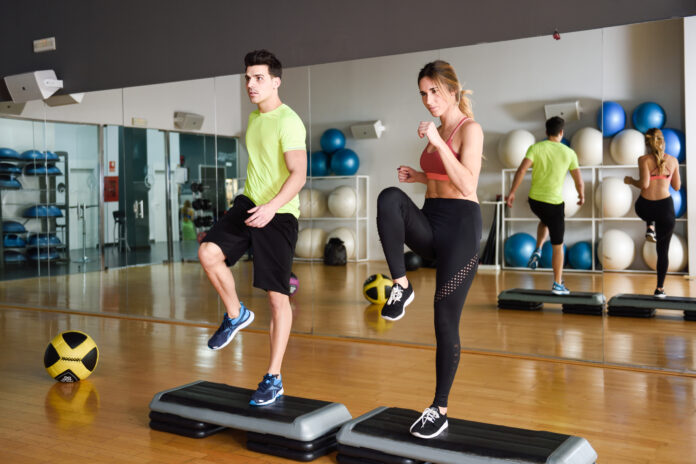
Whole-body vibration delivers cardiovascular benefits in a fraction of the time.
KEY STATISTICS
- Studies show 15 minutes of vibration training equals 45 minutes of traditional cardio for heart rate improvement.
- Whole-body vibration increases blood circulation by up to 30% within the first session.
- Research indicates vibration therapy can improve cardiovascular fitness in just 6 weeks of consistent use.
You’re spending hours on treadmills and bikes, sweating through long cardio sessions that drain your energy and eat up your schedule. Meanwhile, a growing body of research suggests those 15-minute vibration plate sessions at the gym might be delivering the same heart-healthy benefits. Your cardiovascular system doesn’t distinguish between traditional exercise and mechanical vibration when it comes to improving circulation and fitness.
How Vibration Training Works
Whole-body vibration training works by creating rapid muscle contractions throughout your body, typically 25-50 times per second. These involuntary contractions force your cardiovascular system to work harder, pumping blood more efficiently to meet the increased demand.
The mechanical vibrations trigger your body’s stretch reflex, causing muscles to contract and relax rapidly without conscious effort. This process increases oxygen consumption, elevates heart rate, and improves blood flow similar to moderate-intensity aerobic exercise.
Studies using vibration frequencies between 20-50 Hz show significant improvements in cardiovascular markers including VO2 max, circulation, and arterial stiffness. The vibration stimulus activates multiple muscle groups simultaneously, creating a full-body workout that challenges your heart and lungs.
Why Your Age Matters
Your twenties and thirties are when cardiovascular decline begins, often before you notice any symptoms. Traditional cardio can be time-consuming and intimidating, leading many people to skip it entirely during their busiest career-building years.
This age group typically has demanding schedules that make 45-60 minute gym sessions difficult to maintain consistently. Poor cardio habits established now compound over decades, significantly increasing heart disease risk later.
Your body is still highly adaptable to new training stimuli in your twenties and thirties. Starting vibration training now can establish cardiovascular fitness more efficiently than waiting until traditional exercise becomes a medical necessity.
Warning Signs to Watch
- Getting winded climbing two flights of stairs
- Heart rate taking longer than 2 minutes to return to normal after light activity
- Feeling exhausted after short walks that used to be easy
- Experiencing dizziness when standing up quickly
- Noticing decreased endurance during daily activities
What Actually Helps
Vibration plate training requires minimal time investment while delivering measurable cardiovascular improvements. Most effective sessions last 10-20 minutes, making them easy to fit into lunch breaks or morning routines.
The key is consistency rather than intensity with vibration training. Starting with 2-3 sessions per week allows your cardiovascular system to adapt gradually while building the habit.
Proper form matters even on vibration plates. Stand with feet hip-width apart, slight knee bend, and engage your core throughout the session. Different positions target different muscle groups while maintaining cardiovascular challenge.
Action Plan Checklist
- Start with 10-minute sessions, 3 times per week on a quality vibration plate
- Use frequencies between 20-30 Hz for cardiovascular benefits without joint stress
- Alternate between static positions (squats, planks) and dynamic movements
- Track your resting heart rate weekly to monitor cardiovascular improvements
- Combine vibration training with 2 days of traditional movement for balanced fitness
The Recovery Advantage
Recovery time is where vibration training truly shines over traditional cardio. Your body doesn’t need 24-48 hours to recover from vibration sessions like it does from intense running or cycling.
This faster recovery allows for more frequent training sessions without the cumulative fatigue that derails many cardio routines. You can maintain consistency more easily when you’re not constantly sore or exhausted.
The low-impact nature means your joints stay healthier while your cardiovascular system gets stronger. This creates a sustainable fitness approach that can continue for decades without the wear and tear of high-impact cardio.
Bottom Line
Vibration plate training offers time-efficient cardiovascular benefits that fit busy lifestyles without sacrificing effectiveness. The research supports its ability to improve heart health, circulation, and fitness markers in significantly less time than traditional cardio. Starting this habit in your twenties and thirties sets the foundation for lifelong cardiovascular health with minimal time investment.
Always consult a qualified healthcare provider before making changes to your health routine.
Sources
- Effects of whole-body vibration training on cardiovascular risk factors — Journal of Sports Medicine and Physical Fitness
- Whole-body vibration exercise and cardiovascular health — European Journal of Applied Physiology
- Cardiovascular responses to whole-body vibration training — Medicine & Science in Sports & Exercise

