
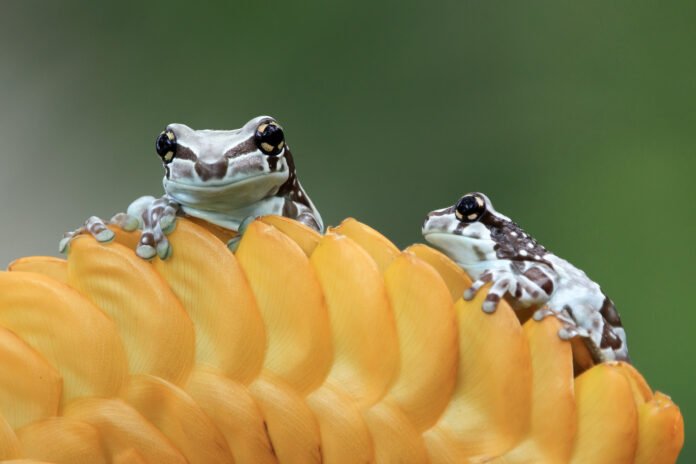
New amphibian compounds could revolutionize how we battle antibiotic-resistant infections naturally.
KEY STATISTICS
- Over 35,000 Americans die annually from antibiotic-resistant infections according to the CDC.
- Scientists have identified over 4,000 antimicrobial peptides in frog skin secretions.
- Some frog-derived compounds show 99% effectiveness against MRSA and other superbugs.
Your doctor prescribes antibiotics for your sinus infection, but they don’t work anymore. What seemed like routine medical care just five years ago is becoming a dangerous gamble. The answer might be hiding in the slime coating of tropical frogs.
How Frog Peptides Work
Frog skin produces antimicrobial peptides as a natural defense system against bacteria, fungi, and viruses in their environment. These peptides work differently than traditional antibiotics by punching holes in bacterial cell membranes rather than targeting specific proteins.
This unique mechanism makes it nearly impossible for bacteria to develop resistance. While bacteria can mutate to avoid antibiotic targets, they cannot easily repair fundamental membrane damage caused by frog peptides.
Researchers have isolated peptides from over 100 frog species, with compounds from poison dart frogs and Australian tree frogs showing the most promise against human pathogens.
Your Generation’s Infection Risk
Adults in their twenties and thirties are experiencing the early effects of widespread antibiotic resistance. Minor infections that previous generations treated easily now require multiple rounds of stronger drugs.
Your immune system is still strong, but repeated antibiotic use during this decade can disrupt your gut microbiome permanently. This sets up digestive issues, autoimmune problems, and weakened immunity that compounds as you age.
Many young adults also work in healthcare, education, or service industries with high infection exposure. Having alternative treatments available could prevent serious complications from resistant strains.
Resistance Warning Signs
- Recurring infections that don’t respond to first-line antibiotics
- Digestive issues following multiple antibiotic courses
- Skin infections that take weeks to heal despite treatment
- Respiratory infections requiring stronger medications each time
- Family history of MRSA or other resistant infections
Natural Antimicrobial Foods
While frog-derived treatments are still in clinical trials, you can support your body’s natural antimicrobial defenses now. Consuming foods rich in natural antimicrobial compounds helps maintain your infection-fighting capacity.
Garlic contains allicin, honey provides hydrogen peroxide, and fermented foods supply beneficial bacteria that crowd out harmful pathogens. These foods work synergistically with your immune system rather than replacing it.
Reducing unnecessary antibiotic use preserves the effectiveness of current drugs while your body maintains its natural defenses. This includes avoiding antibiotics for viral infections and completing prescribed courses fully.
Infection Prevention Checklist
- Add raw garlic, manuka honey, and fermented vegetables to your weekly meal rotation
- Only use antibiotics when prescribed by a healthcare provider for bacterial infections
- Complete all antibiotic courses even if you feel better early
- Support gut health with prebiotic fiber from vegetables and fruits daily
- Practice good hygiene to prevent infections rather than relying on treatment
Sleep Boosts Natural Antibiotics
Sleep quality directly impacts your antimicrobial peptide production. Your body manufactures these natural infection-fighters during deep sleep phases, particularly between 10 PM and 2 AM.
Chronic sleep deprivation reduces antimicrobial peptide levels by up to 40%, making you more susceptible to resistant infections. Getting seven to nine hours of quality sleep nightly maintains your natural antibiotic production.
Stress hormones also suppress antimicrobial peptide activity, so managing stress through exercise, meditation, or other techniques helps preserve your infection-fighting capacity.
Bottom Line
Frog peptides represent a promising breakthrough against antibiotic-resistant superbugs, but they’re still years away from widespread use. Focus on supporting your body’s existing antimicrobial systems through proper nutrition, sleep, and responsible antibiotic use. Your natural defenses are more powerful than you realize.
Always consult a qualified healthcare provider before making changes to your health routine.
Sources
- Antimicrobial Resistance Threats Report — CDC
- Antimicrobial peptides from amphibian skin secretions — Nature Reviews Drug Discovery
- Frog skin peptides with therapeutic potential — Journal of Natural Products

