
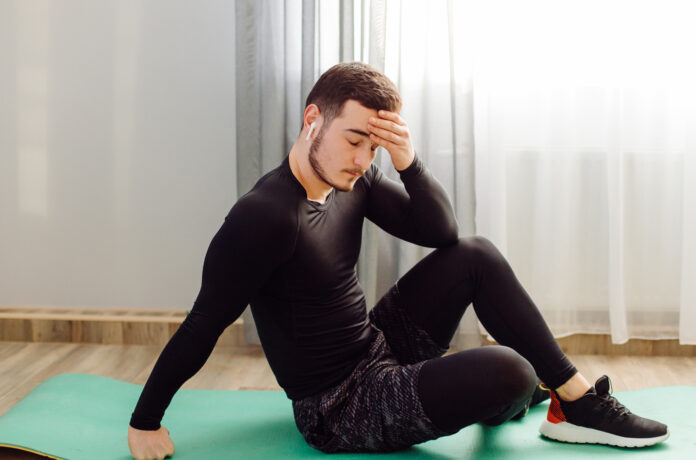
How overtraining syndrome creates symptoms identical to autoimmune conditions — and takes months to reverse.
KEY STATISTICS
- Up to 30% of endurance athletes experience overtraining syndrome at some point in their careers
- Recovery from severe overtraining can take 6-12 months of complete rest
- Overtraining symptoms overlap with 15+ chronic health conditions including fibromyalgia and chronic fatigue
You’ve been crushing your workouts for months, but suddenly you’re exhausted all the time, getting sick constantly, and your joints ache like you’re 60. Your doctor runs tests, everything comes back normal, and you wonder if you’re losing your mind.
What Happens Inside
Overtraining syndrome occurs when your body can’t recover from exercise faster than you’re breaking it down. Your nervous system gets stuck in a chronic stress state, flooding your body with cortisol and inflammatory markers.
This creates a cascade of problems: your immune system weakens, your sleep quality plummets, and your hormones go haywire. Your body literally thinks it’s under attack and responds with the same inflammatory pathways triggered by autoimmune diseases.
The scary part is that blood tests often look normal in early stages. Standard markers like white blood cell count and basic metabolic panels don’t catch the subtle hormonal and nervous system dysfunction that overtraining creates.
Why Your Twenties Matter
Adults in their late twenties and early thirties are particularly vulnerable because they’re still chasing their college fitness levels. You remember being able to work out hard every day without consequences, so you push through warning signs.
This age group also faces unique stressors: demanding careers, relationship pressures, and financial stress. When you add intense exercise on top of an already stressed system, your body can’t keep up.
Your metabolism is also starting to slow slightly, but you might not have adjusted your training intensity accordingly. What worked at 22 can destroy your health at 32.
Warning Signs to Watch
- Chronic fatigue that doesn’t improve with more sleep
- Getting sick more often or taking longer to recover from minor illnesses
- Performance declining despite consistent training
- Mood changes including irritability, anxiety, or depression
- Sleep disruption — either insomnia or waking up exhausted
The Recovery Protocol
Recovery from overtraining requires a complete shift in mindset. You need to view rest as productive, not lazy. Start by cutting your exercise volume in half and eliminating all high-intensity workouts for at least 4-6 weeks.
Focus on gentle movement like walking, light yoga, or easy swimming. Your heart rate should stay conversational during any activity. If you can’t talk normally while moving, you’re going too hard.
Nutrition becomes critical during recovery. Your body needs extra protein, healthy fats, and complex carbs to repair damaged systems. Aim for 1 gram of protein per pound of body weight and don’t restrict calories — your body needs fuel to heal.
Your Recovery Checklist
- Take 2-3 complete rest days per week for the next month
- Limit workouts to 45 minutes maximum, keep intensity conversational
- Track morning heart rate — if it’s 10+ beats higher than normal, rest that day
- Prioritize 8+ hours of sleep and eliminate caffeine after 2 PM
- Consider working with a sports medicine doctor if symptoms persist beyond 6 weeks
The Stress Connection
Stress management often determines whether you recover quickly or struggle for months. Overtraining isn’t just about exercise — it’s about total life stress. Work deadlines, relationship drama, and financial pressure all count toward your stress bucket.
Many people try to exercise their way out of life stress, but when you’re already overtrained, this backfires spectacularly. Your nervous system can’t distinguish between workout stress and emotional stress.
Consider meditation, deep breathing exercises, or even therapy during your recovery period. Managing mental stress can cut your physical recovery time in half.
Bottom Line
Overtraining syndrome is real, serious, and surprisingly common among motivated twenty and thirty-somethings. The symptoms can mimic everything from depression to autoimmune disease, making it hard to identify. The good news is that with proper rest and stress management, your body can fully recover — but it takes patience and a willingness to prioritize healing over performance.
Always consult a qualified healthcare provider before making changes to your health routine.
Sources
- Overtraining Syndrome in Athletes — Mayo Clinic
- Physiological Markers of Overtraining Syndrome — Journal of Sports Medicine
- Exercise and Immune Function — Harvard Health Publishing

