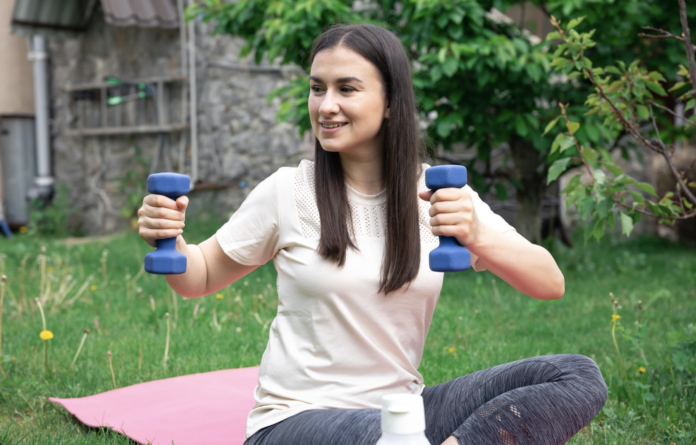
Your workouts are rewriting your skin’s biology — here’s exactly what’s happening beneath the surface.
KEY STATISTICS
- A 2014 McMaster University study found that adults who exercised regularly had skin that appeared up to 25 years younger at the cellular level compared to sedentary peers of the same age.
- Research published in the Journal of Applied Physiology found aerobic exercise significantly increased levels of IL-15, a protein that drives mitochondrial changes in skin cells associated with younger-looking skin.
- According to the American Academy of Dermatology, skin cell turnover slows by roughly 28% between the ages of 25 and 35 — making early intervention in this decade especially valuable.
Most people exercise to lose weight, build muscle, or clear their head. But something else is happening every time you sweat — your skin is being rebuilt from the inside out, at the cellular level, in ways that dermatologists are only beginning to fully understand.
What Exercise Does Inside
When you do aerobic exercise, your body triggers a cascade of internal changes that go far beyond your heart and lungs. One of the most significant is a rise in circulating IL-15, a myokine — a signalling molecule released by working muscles — that travels through the bloodstream and reaches the skin.
IL-15 stimulates mitochondrial activity inside skin cells. Mitochondria are the energy-producing structures in every cell, and in skin cells, they play a key role in collagen synthesis, cellular repair, and resistance to oxidative stress.
As we age, mitochondrial function in skin cells naturally declines. This decline is one of the core biological reasons skin loses elasticity, thins, and wrinkles. Exercise appears to slow — and in some cases partially reverse — this process by keeping mitochondria more active and numerous inside skin tissue.
Increased blood flow during exercise also delivers more oxygen and nutrients to the dermis, the deeper layer of skin where structural proteins like collagen and elastin are produced. Better circulation means faster cellular repair and more efficient waste removal from skin tissue.
Why Your Twenties Matter
Your mid-to-late twenties are when the first real slowdown in skin cell renewal begins. Collagen production starts declining at roughly 1% per year from your mid-twenties, and by 35, the cumulative effect is often visible.
This is also the decade when lifestyle habits — sleep quality, stress load, nutrition gaps, and physical activity — are quietly setting the biological baseline your skin will operate from for the next 20 years.
The good news is that the 25–35 window is when interventions are most effective. Skin cells in this age group still have strong mitochondrial capacity and respond well to exercise-driven signals. The habits you build now compound significantly over time.
Warning Signs to Watch For
- Skin that looks dull or flat even after adequate sleep — a possible sign of poor dermal circulation and low cellular turnover
- Fine lines appearing early around the eyes or mouth — early collagen decline that exercise-driven IL-15 may help slow
- Skin that feels less resilient or slower to recover from breakouts — a sign of reduced repair capacity at the cellular level
- A noticeable loss of the healthy flush or ‘glow’ you had in your early twenties — often linked to declining mitochondrial activity in skin tissue
- Increased skin sensitivity or dryness that wasn’t present before — can signal that the skin barrier is weakening due to reduced cellular energy production
What Actually Helps
The research consistently points to moderate-intensity aerobic exercise as the most skin-beneficial type of workout. Activities like jogging, cycling, swimming, and brisk walking elevate heart rate enough to trigger significant IL-15 release and improve dermal circulation without generating the excessive oxidative stress that very high-intensity exercise can sometimes produce.
A 2020 review in the journal Antioxidants confirmed that moderate aerobic activity increases the skin’s own antioxidant defence systems. This matters because oxidative stress — driven by UV exposure, pollution, and poor diet — is one of the primary accelerators of visible skin aging.
Strength training plays a supporting role. Resistance exercise increases growth hormone release, which supports collagen synthesis and tissue repair. Combining aerobic work with two or three sessions of resistance training per week appears to produce the broadest skin benefit.
Consistency matters more than intensity here. Research from the McMaster team found that the cellular skin changes they observed were present in long-term exercisers — people who had maintained a regular routine over months and years — not occasional exercisers.
Action Plan Checklist
- Aim for at least 150 minutes of moderate aerobic exercise per week — this matches the threshold linked to measurable skin cell changes in the research
- Add 2–3 resistance training sessions weekly to support collagen-boosting growth hormone release alongside your cardio
- Exercise outdoors where possible for added benefits, but always apply SPF 30 or higher — UV damage will outpace any internal benefit if skin is left unprotected
- Stay well hydrated before, during, and after exercise — skin cells require adequate hydration to carry out the repair processes that exercise triggers
- Support your exercise routine with a diet rich in vitamin C, zinc, and omega-3 fatty acids — all directly involved in collagen synthesis and skin barrier function
The Sleep Connection
Sleep is the overlooked amplifier of every skin benefit exercise creates. During deep sleep, the body releases the highest levels of human growth hormone — the same hormone that drives collagen repair and skin cell regeneration stimulated by exercise.
If you are exercising regularly but consistently sleeping fewer than seven hours, you are interrupting the repair cycle your workouts set in motion. The exercise provides the signal; sleep is where the actual rebuilding happens.
Prioritising seven to nine hours of quality sleep alongside your exercise routine creates a compounding effect on skin biology. Think of exercise and sleep as two halves of the same skin renewal system — neither works as well without the other.
Bottom Line
Exercise is not just changing your body composition — it is actively remodelling your skin at the mitochondrial level in ways that slow the biological clock. For adults in their twenties and thirties, building a consistent aerobic and resistance routine now is one of the most evidence-backed investments you can make in how your skin looks and functions for decades ahead.
Always consult a qualified healthcare provider before making changes to your health routine.
Sources
- Exercise and the skin: a review of the effects of aerobic activity on skin aging and cellular repair — Journal of Applied Physiology
- Skin aging and the role of mitochondrial dysfunction in dermal collagen decline — Antioxidants
- Exercise training and IL-15 as a driver of mitochondrial biogenesis in skin and muscle tissue — McMaster University — Faculty of Kinesiology Research
- Collagen synthesis, skin turnover rates, and the impact of physical activity in adults — American Academy of Dermatology
- The role of sleep and growth hormone in tissue repair and skin regeneration — National Institutes of Health — National Library of Medicine