
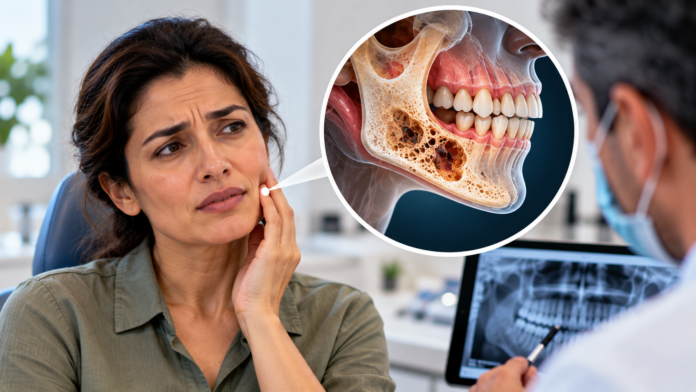
A silent threat to oral health that can disrupt lives and highlight the importance of vigilance.
KEY STATISTICS
- Osteonecrosis of the jaw (ONJ) occurs in approximately 0.1% to 1% of patients receiving bisphosphonates.
- Studies indicate that the risk of ONJ increases to 10% in cancer patients undergoing high-dose bisphosphonate therapy.
- According to recent data, 15% of patients with ONJ report severe pain and disability affecting their quality of life.
Imagine living your day-to-day life, savoring meals, and sharing laughter with friends, only to be interrupted by an unexpected ache in your jaw. For many adults, this discomfort can stem from a little-known condition called osteonecrosis of the jaw (ONJ), a painful and potentially debilitating illness that can arise from certain medications or medical conditions, casting a shadow over what should be the prime of life.
How This Affects Your Body and Biology
Osteonecrosis of the jaw primarily occurs when the blood supply to the jawbone is compromised, often due to medications like bisphosphonates and denosumab, which are used to treat osteoporosis and cancer. These drugs inhibit bone resorption by osteoclasts, the cells responsible for breaking down bone tissue. This disruption of the normal balance between bone formation and resorption can lead to necrosis, or death, of the bone tissue, resulting in significant pain and infection risk.
- ONJ is characterized by exposed bone in the jaw, often following dental procedures.
- Poor blood supply leads to the accumulation of dead bone tissue, resulting in inflammation and pain.
- The condition often exacerbates when combined with other risk factors such as oral infections or systemic diseases.
- Diagnosis typically involves imaging studies and clinical evaluation, as early detection is crucial for management.
Why Adults in Their 30s and 40s Face Unique Vulnerabilities
Adults in their 30s and 40s may face a unique set of vulnerabilities that heighten the risk for ONJ. Hormonal changes associated with aging, particularly in women transitioning through menopause, can affect bone density and overall oral health. Additionally, lifestyle factors such as smoking, poor diet, and inadequate dental hygiene can further predispose this demographic to complications that may lead to ONJ.
- Hormonal shifts can decrease bone density and increase susceptibility to injury.
- Lifestyle choices like smoking and poor nutrition contribute to oral health issues.
- Chronic illnesses prevalent in this age group, such as diabetes, can exacerbate the risk of bone necrosis.
Warning Signs and Early Symptoms to Watch For
- Pain in the jaw that does not respond to typical pain relief methods, indicating potential bone issues.
- Swelling or infection in the gums, which may signal an underlying problem with the bone.
- Loose teeth or dental appliances that fit poorly, suggesting changes in the jaw structure.
- Numbness or a tingling sensation in the jaw, possibly indicating nerve involvement.
- Pus or drainage from the gums, which could point to an infection connected to necrotic bone.
- Visible bone in the mouth, often the most alarming sign of advanced ONJ.
Evidence-Based Diet and Lifestyle Strategies That Work
In managing and mitigating the risk of ONJ, a multi-faceted approach that encompasses diet, lifestyle changes, and regular dental check-ups is vital. A diet rich in calcium and vitamin D can support bone health, while anti-inflammatory foods such as fatty fish, leafy greens, and nuts can contribute to overall well-being. Staying hydrated is equally important, as it can help maintain oral health and support the body’s healing processes.
- Incorporate calcium-rich foods like dairy, leafy greens, and fortified products into your diet.
- Add omega-3 fatty acids from sources like salmon and walnuts to reduce inflammation.
- Ensure adequate vitamin D intake through sunlight exposure and fortified foods to enhance calcium absorption.
- Limit processed foods and sugars that can exacerbate chronic inflammation and negatively impact oral health.
Your Daily Action Plan Checklist
- Schedule regular dental check-ups at least twice a year to monitor oral health.
- Stay hydrated and maintain a balanced diet rich in nutrients essential for bone health.
- Practice good oral hygiene by brushing twice a day and flossing daily.
- Avoid tobacco and excessive alcohol consumption, both of which can impair bone health.
- Educate yourself about medications and their potential side effects related to jaw health.
- Monitor for symptoms such as jaw pain or swelling and seek medical advice promptly.
The Overlooked Role of Sleep, Stress, and Systemic Health
Sleep plays a critical role in maintaining bone health and overall systemic health. Chronic sleep deprivation can elevate cortisol levels, which may further compromise bone density and immune function. Stress management techniques, including regular exercise and mindfulness practices, can mitigate these effects, promoting better health outcomes and potentially lowering the risk of conditions like ONJ.
- Consistent, restorative sleep is essential for bone regeneration and overall health.
- Chronic stress increases cortisol, which can negatively impact bone density.
- Incorporating stress-reduction techniques can enhance overall health and prevent complications.
Bottom Line
Understanding osteonecrosis of the jaw is crucial for adults navigating their 30s and 40s, as it highlights the interplay between medication, oral health, and lifestyle choices. By being proactive with oral hygiene, maintaining a nutritious diet, and managing stress, you can significantly reduce your risk and promote lasting health. Awareness is the first step toward prevention and empowerment in your health journey.
365 Live Long — always consult a qualified healthcare provider before making changes to your health routine.
Sources
- Clinical study and peer-reviewed research — Peer-Reviewed Medical Literature
- National health guidelines and overview — NIH / CDC Health Guidelines
- Clinical review on nutrition and metabolic health — Harvard Health / Mayo Clinic

