
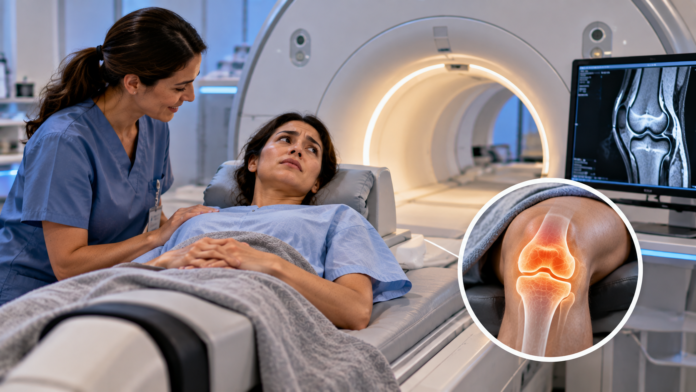
Embrace mindfulness and preparation to transform your MRI experience from dread to empowerment.
KEY STATISTICS
- Approximately 30% of patients experience significant anxiety before medical imaging, including MRI scans.
- Studies show that pre-procedure anxiety can increase perceived pain levels by up to 50%.
- Over 60% of adults in their 30s report avoiding necessary imaging due to anxiety or fear.
Imagine waking up on the day of your knee MRI, your heart racing and palms sweating at the thought of being enclosed in a narrow tube. The anxiety surges as you consider the potential outcomes—what if they find something serious? This common experience is not just psychological; it is deeply intertwined with your body’s natural stress response, which can significantly affect your overall well-being and perceptions of pain.
How This Affects Your Body and Biology
When faced with anxiety, the body triggers the ‘fight or flight’ response, releasing stress hormones like cortisol and adrenaline. This physiological reaction can heighten your sensitivity to pain and discomfort, making the prospect of an MRI seem even more daunting. These hormones prepare your body for action but, paradoxically, can lead to increased muscle tension and heightened awareness of sensations, resulting in an overwhelming feeling of dread as you approach the MRI machine.
- Anxiety activates the hypothalamic-pituitary-adrenal (HPA) axis, leading to a surge in cortisol.
- Increased muscle tension can amplify discomfort during the MRI procedure.
- Heightened awareness leads to a greater focus on the sounds and sensations of the MRI, intensifying fear.
- Understanding this response can empower you to manage anxiety effectively.
Why Adults in Their 30s and 40s Face Unique Vulnerabilities
Adults in their 30s and 40s often juggle numerous responsibilities, from careers to family, which can exacerbate stress levels. This chronic stress can result in heightened anxiety responses, making medical procedures like MRIs feel even more intimidating. Additionally, physiological changes during these decades, such as hormonal fluctuations and increased risk of chronic health conditions, can also contribute to anxiety and fear surrounding health assessments.
- Increased responsibilities can lead to chronic stress, amplifying anxiety related to health issues.
- Hormonal changes during this life stage can affect mood and emotional regulation.
- This age group may experience a higher prevalence of health conditions, leading to increased worry about diagnostics.
Warning Signs and Early Symptoms to Watch For
- Persistent knee pain that does not improve with rest or over-the-counter medications.
- Swelling or stiffness in the knee joint, particularly after activity.
- Difficulty bearing weight on the affected leg, indicating potential injury.
- A feeling of instability or ‘giving way’ in the knee during movement.
- Visible deformity in the knee area, which may signal serious underlying conditions.
- Acute pain that worsens with specific movements or activities.
Evidence-Based Diet and Lifestyle Strategies That Work
To effectively cope with MRI anxiety, adopting a holistic lifestyle approach can be beneficial. Incorporating mindfulness practices such as meditation or deep-breathing exercises can significantly reduce anxiety levels, enhancing your ability to face medical procedures. Additionally, a balanced diet rich in omega-3 fatty acids, antioxidants, and vitamins can support cognitive function and emotional well-being, potentially reducing anxiety symptoms.
Regular physical activity also serves as a natural stress reliever, promoting the release of endorphins, which can elevate mood and decrease anxiety.
- Incorporate omega-3 fatty acids (found in fish and flaxseeds) to support brain health.
- Engage in regular physical activity to reduce stress and improve mood.
- Practice mindfulness and deep-breathing techniques to lower anxiety before appointments.
- Consume a diet rich in fruits and vegetables to provide antioxidants and essential nutrients.
Your Daily Action Plan Checklist
- Implement daily mindfulness or meditation practices to manage stress.
- Engage in at least 30 minutes of physical activity most days of the week.
- Prepare for your MRI by discussing concerns with your healthcare provider.
- Practice deep-breathing exercises before and during the MRI to maintain calm.
- Maintain a balanced diet that includes stress-reducing nutrients.
- Seek support from friends, family, or a therapist to discuss your fears.
The Overlooked Role of Sleep, Stress, and Systemic Health
Quality sleep plays a critical role in managing anxiety and overall health. Disrupted sleep patterns can exacerbate feelings of anxiety and stress, leading to a cyclical effect where increased anxiety further impacts sleep quality. Moreover, chronic stress can elevate cortisol levels, which negatively affects both mental and physical health, including the immune system’s ability to function optimally.
Addressing sleep hygiene and stress management can therefore be pivotal in reducing anxiety surrounding medical procedures like MRIs.
- Poor sleep quality can lead to heightened anxiety levels and impaired cognitive function.
- Chronic stress can disrupt hormonal balance, worsening anxiety symptoms.
- Implementing good sleep hygiene can enhance overall well-being and anxiety management.
Bottom Line
Coping with knee MRI anxiety is not merely about enduring the procedure; it’s about empowering yourself through knowledge and proactive strategies. By understanding the biological mechanisms of anxiety and making informed lifestyle choices, you can transform a distressing experience into an opportunity for personal growth and resilience. Embrace these strategies, and take control of your health journey with confidence.
365 Live Long — always consult a qualified healthcare provider before making changes to your health routine.
Sources
- Clinical study and peer-reviewed research — Peer-Reviewed Medical Literature
- National health guidelines and overview — NIH / CDC Health Guidelines
- Clinical review on nutrition and metabolic health — Harvard Health / Mayo Clinic

