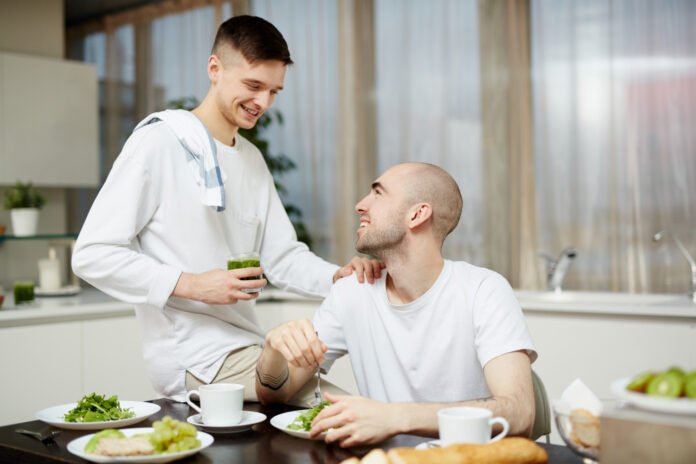
*What you eat may influence recovery and mood following a head injury*
KEY STATISTICS
- Traumatic brain injury affects roughly 2.87 million Americans annually, with lasting effects on mood and cognition.
- Depression occurs in approximately 25–53% of people with a history of traumatic brain injury.
- The Mediterranean diet emphasizes whole grains, olive oil, fish, and vegetables — foods rich in anti-inflammatory compounds.
If you’ve ever had a head injury — even one that seemed minor at the time — you know that recovery isn’t just physical. The emotional aftermath, including depression and anxiety, often surprises people and lingers longer than the visible bruising. New research is now pointing to something simple you might control: what’s on your plate.
A growing body of evidence suggests that the foods you choose can influence both how your brain heals and your mood during recovery.
How Food Influences Brain Healing
Your brain after injury enters a state of heightened inflammation as it works to repair itself. This inflammatory response, while necessary for healing, can also contribute to depression and cognitive difficulties if it persists unchecked. The Mediterranean diet’s emphasis on anti-inflammatory foods — olive oil, fatty fish, colorful vegetables, and whole grains — may help calm this process and support emotional resilience.
- Brain injury triggers inflammation; prolonged inflammation correlates with depression and cognitive decline.
- Polyphenols in olive oil and antioxidants in vegetables may cross the blood-brain barrier and help reduce inflammatory markers.
- Omega-3 fatty acids from fish may support neuroplasticity, the brain’s ability to form new connections and heal.
- Mediterranean-pattern eating has been associated with lower rates of depressive symptoms across multiple age groups.
Why Middle Age and Beyond Matters
Adults over 45 face unique vulnerabilities after a head injury. Your brain’s natural anti-inflammatory reserves decline with age, and hormonal changes (especially in women) can amplify mood disruption. Additionally, older adults often take medications that interact with nutrient absorption, making dietary quality even more critical for recovery.
- Aging reduces the brain’s intrinsic ability to resolve inflammation, making external support through diet more important.
- Medications common at this age (blood pressure, cholesterol) can deplete key nutrients and affect mood regulation.
- Cognitive reserve — your brain’s built-up resilience — benefits from consistent anti-inflammatory nutrition over decades.
Watch For These Signs
- Persistent low mood or hopelessness that emerges weeks or months after a head injury.
- Memory gaps, difficulty concentrating, or brain fog that doesn’t improve with rest.
- Social withdrawal, loss of interest in activities you enjoyed before the injury.
- Sleep disturbance combined with fatigue and lack of motivation.
- Unusual irritability or emotional outbursts that weren’t present before the injury.
- Appetite changes or reluctance to eat nourishing foods.
- Headaches or dizziness worsening despite time since injury.
What Actually Helps After Injury
Research links Mediterranean-pattern eating to better mood outcomes and fewer depressive symptoms, particularly when combined with movement and sleep consistency. You don’t need to overhaul everything overnight. Starting with simple swaps — adding more vegetables, choosing fish over red meat a few times weekly, using olive oil — can move you toward this pattern without feeling restrictive.
- Incorporate fatty fish (salmon, mackerel, sardines) 2–3 times weekly for omega-3 and brain-protective nutrients.
- Use extra-virgin olive oil as your default cooking fat; its polyphenol content is highest when minimally processed.
- Eat colorful vegetables daily (leafy greens, berries, tomatoes) — each color offers different anti-inflammatory compounds.
- Limit ultra-processed foods, refined sugars, and excess saturated fat, which may amplify inflammatory signaling.
Your 30-Day Starting Plan
- This week: swap one red meat dinner for grilled salmon or white fish; keep track of how you feel.
- Add one Mediterranean vegetable side to your dinner plate daily (roasted zucchini, steamed broccoli, sautéed spinach).
- Replace one cooking oil bottle with extra-virgin olive oil; drizzle on salads, soups, and cooked dishes.
- Eat a small handful of nuts or berries as a snack 4–5 times weekly for sustained anti-inflammatory support.
- Document your mood, energy, and sleep quality in a simple journal; review weekly for patterns.
The Often-Overlooked Sleep Factor
Sleep and stress management deserve equal attention to diet. Poor sleep after brain injury worsens inflammation and depression, and stress hormones can counteract the benefits of even an excellent diet. Supporting your nervous system through consistent sleep and gentle stress relief makes your nutritional choices far more effective.
- Inflammation peaks during sleep deprivation; injury recovery requires 7–9 hours nightly for optimal healing.
- Mediterranean foods support sleep: magnesium in nuts and greens, serotonin precursors in whole grains.
- Stress elevates cortisol, which drives inflammation; pairing diet changes with 5–10 minutes daily relaxation amplifies recovery.
Bottom Line
If you’re recovering from a head injury or living with lingering mood changes afterward, your diet is one tool you genuinely control. Shifting toward more whole foods, vegetables, olive oil, and fish won’t erase the injury or promise immediate results, but research suggests it may support your brain’s natural healing process and your emotional resilience. Start small, stay consistent, and work closely with your healthcare team to monitor your progress.
365 Live Long — always consult a qualified healthcare provider before making changes to your health routine.
Sources
- Associations between the Mediterranean diet, traumatic brain injury and depressive symptoms — Brain, Behavior, & Immunity – Health
- General guidance on traumatic brain injury recovery and mental health — NIH / National Institute of Neurological Disorders and Stroke
- Mediterranean diet and cardiovascular health — Mayo Clinic
This article is general information, not personal medical advice. Please talk to your doctor before changing medicines, your diet or your exercise, especially if you have a heart, blood-pressure or blood-sugar condition.