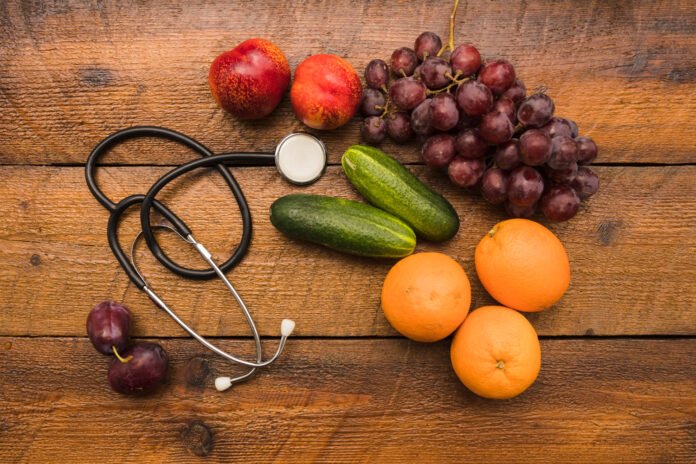
A major study of 371,000 Americans reveals which fruit protects your cardiovascular system best.
KEY STATISTICS
- A study of 371,000 Americans found a significant link between eating one fruit type and improved heart health markers.
- People in this age group face rising blood pressure and cholesterol — dietary changes can help counter these shifts.
- Consistent fruit intake is associated with better circulation and reduced cardiovascular risk over time.
You’ve heard “an apple a day” your whole life, but what if one fruit type actually stands out from the rest when it comes to protecting your heart? A large study of over 370,000 Americans reveals that eating one specific fruit is linked to better cardiovascular health — and the findings suggest it’s worth rearranging your grocery list. At 45 and beyond, heart health becomes your body’s priority, and this research points to a simple, tasty way to work with your body’s needs, not against them.
How Your Heart Responds
Your cardiovascular system relies on healthy blood vessels, steady blood pressure, and good cholesterol balance. One fruit type may help support these processes through compounds associated with reduced inflammation, improved blood flow, and arterial health. The body’s ability to use these protective compounds doesn’t fade with age — it just needs the right fuel.
- The fruit contains polyphenols and anthocyanins, compounds that reduce inflammation in blood vessel walls.
- These antioxidants are associated with improved endothelial function — the ability of arteries to expand and contract smoothly.
- Regular intake is associated with healthier cholesterol ratios and may help with blood pressure regulation.
- The effect builds over time; consistent consumption matters more than occasional servings.
Why Heart Health Shifts
By your mid-40s and beyond, your cardiovascular system is under more pressure than it was in your younger years. Blood vessel walls naturally become stiffer, cholesterol patterns shift, and blood pressure tends to creep upward — even in people who feel fine. This is exactly why dietary support becomes so powerful: it works with your body’s changing physiology, not against it.
- Arterial stiffness increases with age; antioxidant-rich fruits are associated with supporting arterial health.
- Inflammation markers rise gradually — this fruit’s compounds address that silent inflammation directly.
- Blood pressure regulation becomes more sensitive to sodium and less responsive to fitness alone; nutrition becomes key.
- Cholesterol metabolism slows; polyphenol-rich foods support your liver’s natural detox and lipid management.
Watch for These Signs
- Shortness of breath during light activity or climbing stairs — may signal reduced cardiovascular efficiency.
- Unusual fatigue that doesn’t improve with rest — can indicate your heart is working harder than it should.
- Swelling in ankles or feet, especially by evening — suggests fluid retention linked to circulation issues.
- Chest discomfort, pressure, or tightness, even mild — always warrants medical evaluation immediately.
- Persistent elevated blood pressure readings at home (140/90 or higher) — a clear signal to adjust diet and see your doctor.
- Irregular heartbeat or feeling your heart race or skip beats — contact your healthcare provider promptly.
What Actually Helps
Eating this fruit consistently isn’t a replacement for exercise, sleep, or stress management — but it’s one of the easiest changes you can make today. The beauty of fruit is that it fits into almost any routine: breakfast, snack, or dessert. Start by swapping out less nutrient-dense foods and building a habit that lasts.
- Aim for 3–5 servings per week minimum; daily intake shows the strongest cardiovascular benefit in research.
- Pair this fruit with healthy fats (nuts, olive oil) to enhance absorption of its protective compounds.
- Combine with regular aerobic activity (brisk walking, swimming) — diet and movement work together, not separately.
- Keep servings whole rather than juiced to preserve fiber, which supports cholesterol and blood sugar stability.
Start This Week
- Identify which specific fruit from the research applies to your local availability and personal taste.
- Purchase enough for 3–4 servings this week; place in a visible spot (bowl on counter, not crisper drawer).
- Set a reminder on your phone for a daily serving time — morning snack, post-lunch, or before dinner.
- Track your grocery receipts for one month to see if this fruit becomes a regular purchase habit.
- Schedule a blood pressure check-in with your doctor in 8–12 weeks to measure whether dietary changes are working.
- Share this finding with a partner or friend and consider building the habit together — accountability boosts consistency.
Sleep & Stress Matter Too
Your heart doesn’t just care about what you eat — it responds powerfully to how well you sleep and how stressed you feel. Even the healthiest diet loses some of its protective power if you’re running on 5 hours of sleep or living in chronic stress. These factors work together, and ignoring one undermines the others.
- Poor sleep disrupts blood pressure regulation and increases inflammatory markers that counteract the fruit’s benefits.
- Chronic stress raises cortisol, which promotes belly fat and blood vessel inflammation — weakening your cardiovascular gains.
- Aim for 7–9 hours of consistent sleep; this amplifies the heart-protective effect of your dietary choices.
- A 10-minute daily breathing or meditation practice measurably lowers blood pressure and supports the fruit’s natural effects.
Bottom Line
You don’t need a complete diet overhaul to support your heart at this stage of life. Adding one fruit consistently — the one backed by this large study — is a concrete, immediate step that aligns with how your body actually works at 45, 55, or 65 and beyond. Combined with sleep, stress management, and movement, it becomes part of a realistic routine you can sustain for decades.
Start this week, track what happens, and let your own health numbers tell you if the change is working.
365 Live Long — always consult a qualified healthcare provider before making changes to your health routine.
Sources
- Eating One Type of Fruit Is Linked to Better Heart Health, Study of 371,000 Americans Reveals — ScienceAlert
- General guidance on cardiovascular health and dietary interventions — Mayo Clinic
- Heart disease prevention and risk factors in aging adults — NIH