
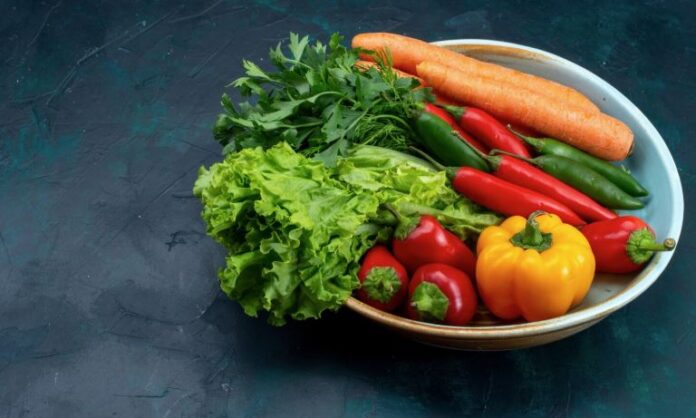
Why cooking certain vegetables unlocks nutrients your body can’t access otherwise
KEY STATISTICS
- Up to 60% more iron is absorbed from cooked spinach compared to raw spinach
- Cooking tomatoes increases lycopene bioavailability by 400-500%
- Raw kale contains oxalates that can block calcium absorption by up to 90%
You’ve been told raw vegetables are always healthier, but your digestive system can’t access many of their most powerful nutrients. Some vegetables actually become more nutritious when cooked, releasing minerals and antioxidants that remain locked away in their raw form. The difference can be dramatic enough to impact your long-term health.
How Cooking Unlocks Nutrients
Plant cells are surrounded by tough cellulose walls that human enzymes cannot break down effectively. Heat softens these walls, making nutrients more bioavailable to your digestive system.
Many vegetables contain natural compounds called antinutrients that bind to minerals like iron, calcium, and zinc. Cooking neutralizes many of these compounds, freeing up essential minerals your body needs.
Some antioxidants become more concentrated and absorbable when heated. Lycopene in tomatoes and beta-carotene in carrots are prime examples of nutrients that increase dramatically with cooking.
Critical Absorption Years
Your twenties and thirties are prime bone-building years, making calcium and magnesium absorption crucial now. Missing out on bioavailable minerals during this window can set you up for bone density issues later.
Iron deficiency is already common in this age group, especially among women. Relying too heavily on raw iron-rich vegetables like spinach means you’re getting less usable iron than you think.
Your metabolism is still strong enough to efficiently process and store minerals from food. This is the ideal time to optimize nutrient absorption before digestive efficiency naturally declines with age.
Signs of Poor Absorption
- Persistent fatigue despite eating plenty of leafy greens
- Brittle or weak nails even with a vegetable-rich diet
- Frequent muscle cramps or twitches
- Poor wound healing or slow recovery from workouts
- Getting sick more often than peers with similar diets
Smart Cooking Strategies
Focus on cooking iron-rich vegetables like spinach, kale, and Swiss chard. A quick sauté or steam makes their minerals significantly more available to your body.
Tomatoes, carrots, and bell peppers benefit greatly from heat. Even light cooking releases their protective compounds more effectively than eating them raw.
Balance is key—some nutrients like vitamin C are heat-sensitive and better preserved in raw vegetables. Aim for a mix of both cooked and raw vegetables throughout your day.
Pairing cooked vegetables with healthy fats like olive oil or avocado further enhances absorption of fat-soluble vitamins.
Absorption Action Plan
- Steam or lightly sauté leafy greens instead of always eating them raw in salads
- Cook tomatoes into sauces, soups, or roasted dishes to maximize lycopene
- Add a drizzle of olive oil to cooked vegetables to boost nutrient absorption
- Keep some raw vegetables for vitamin C, but don’t make your entire intake raw
- Try quick blanching for vegetables you prefer crisp—it’s enough to break down cell walls
The Timing Factor
Meal timing affects how well you absorb these newly available minerals. Your stomach acid is strongest when you haven’t eaten for several hours, making it more effective at breaking down and absorbing nutrients.
Eating cooked, mineral-rich vegetables as part of your first substantial meal of the day maximizes absorption. Your digestive system is primed and ready to extract maximum nutrition.
Avoid drinking large amounts of water or other beverages during meals with mineral-rich foods. Too much liquid dilutes stomach acid, reducing your ability to break down and absorb nutrients effectively.
Bottom Line
Raw isn’t always better when it comes to vegetables and mineral absorption. Strategic cooking unlocks nutrients that would otherwise pass through your system unused. The key is finding the right balance between cooked and raw vegetables to maximize both mineral absorption and heat-sensitive vitamin intake.
Always consult a qualified healthcare provider before making changes to your health routine.
Sources
- Effect of cooking on nutritional value of vegetables — Journal of Food Science
- Bioavailability of iron from plant foods — American Journal of Clinical Nutrition
- Heat processing and lycopene bioavailability — Harvard Health Publishing

