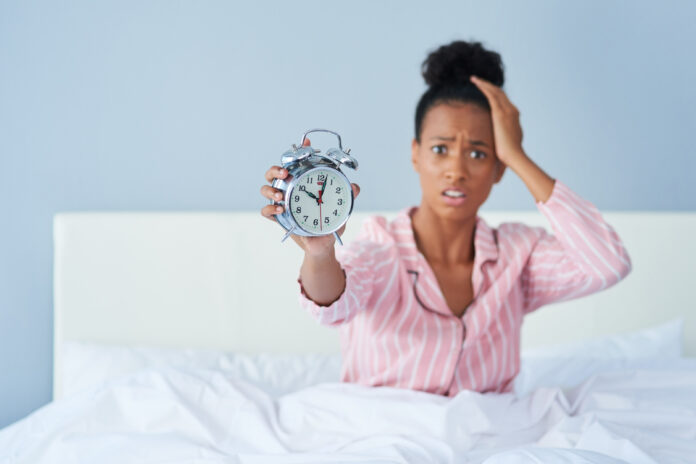
The science behind why harsh wake-up sounds hijack your cortisol patterns and drain energy for hours
KEY STATISTICS
- Jarring alarm sounds increase cortisol levels by 38% higher than gradual wake-up tones within 15 minutes
- Adults using harsh alarms report 23% more afternoon energy crashes compared to those using gentle sounds
- Sleep researchers find that abrupt wake-ups trigger fight-or-flight responses lasting 2-4 hours into the day
You hit snooze three times this morning, finally dragged yourself out of bed to that ear-splitting beep, and wondered why you felt anxious before your feet hit the floor. That jarring alarm isn’t just interrupting your sleep—it’s programming your stress hormones for the entire day ahead.
The sound that wakes you up sets the tone for how your nervous system operates for hours, influencing everything from your focus during morning meetings to your energy levels at lunch.
How Sound Triggers Hormones
Your brain processes different types of sounds through distinct neural pathways, triggering varying hormonal responses. Sharp, sudden sounds like traditional alarm beeps activate your amygdala—the brain’s alarm system—which immediately signals your adrenal glands to flood your bloodstream with cortisol and adrenaline.
This creates an instant fight-or-flight response that’s designed to help you escape danger, not start your workday. Gradual, melodic wake-up sounds, on the other hand, engage your auditory cortex more gently, allowing your circadian rhythm to naturally guide your awakening process.
Research shows that the acoustic properties of your alarm—specifically its frequency, volume progression, and harmonic structure—directly influence how quickly your cortisol levels spike and how long they remain elevated.
Why Twentysomethings Suffer Most
People in their late twenties and early thirties face unique vulnerabilities to alarm-induced stress because this life stage combines high sleep debt with demanding schedules. Your natural circadian rhythm is still adjusting to adult responsibilities, while work pressures and social commitments often force you to wake up during deep sleep phases.
Unlike teenagers whose melatonin production naturally shifts later, or older adults whose sleep becomes naturally lighter, your age group experiences the deepest, most restorative sleep phases in the early morning hours—exactly when most alarms go off. This means you’re more likely to be jolted from REM or deep sleep, creating a more dramatic stress response.
Signs Your Alarm Hurts
- Feeling immediately anxious or irritated upon waking, before any stressful thoughts enter your mind
- Experiencing heart palpitations or rapid breathing within minutes of your alarm going off
- Needing multiple cups of coffee or stimulants to feel alert, despite getting adequate sleep hours
- Having difficulty concentrating or feeling scattered during your first few hours awake
- Noticing afternoon energy crashes that seem disproportionate to your morning activity level
Better Wake Up Strategies
The most effective approach involves transitioning to alarm sounds that mimic natural awakening cues your brain evolved to recognize. Nature sounds like birds chirping or ocean waves work well because they contain varied frequencies that gradually increase in complexity, similar to how sunlight naturally brightens.
Classical music or instrumental pieces with gentle crescendos can also guide your nervous system through a smoother transition from sleep to wakefulness. Light-based wake-up devices that gradually brighten your room work synergistically with gentle sounds, supporting your natural cortisol awakening response rather than hijacking it.
The key is choosing sounds that start quietly and build slowly over 5-10 minutes, giving your adrenal system time to activate gradually rather than flooding your body with stress hormones instantly.
Your New Morning Plan
- Replace your current alarm with a gradual wake-up app or device that starts with soft sounds and slowly increases volume over 10 minutes
- Test different gentle alarm tones for one week each: nature sounds, soft instrumental music, or chimes to find what works best for your stress response
- Set your alarm 15 minutes earlier than usual to allow time for gentle awakening without rushing your morning routine
- Place your alarm device across the room to prevent snoozing, which disrupts the gradual wake-up process and increases stress hormones
- Track your morning mood and energy levels for two weeks after switching to measure the impact on your daily stress patterns
The Temperature Connection
Room temperature plays a crucial but overlooked role in how your body responds to wake-up sounds. When your bedroom is too warm, your nervous system is already in a slightly elevated state, making harsh alarms even more jarring to your cortisol response. Conversely, a room that’s too cold forces your body to work harder to maintain core temperature, amplifying the stress response to any sudden sound.
The ideal bedroom temperature of 65-68°F allows your nervous system to remain calm while transitioning from sleep, making gentle alarm sounds more effective. Consider that your phone’s speaker quality also matters—tinny, distorted sounds from poor speakers can trigger stress responses even when playing gentle melodies, while high-quality audio reproduction supports smoother awakening.
Bottom Line
Your alarm tone is essentially programming your nervous system’s operating mode for the entire day. By switching from jarring beeps to gradual, nature-inspired sounds, you can reduce morning stress hormones by up to 38% and maintain steadier energy levels throughout your day. This simple change costs nothing but can dramatically improve how your body handles daily stressors.
Always consult a qualified healthcare provider before making changes to your health routine.
Sources
- Acoustic characteristics of alarm sounds and their effects on cortisol response — Journal of Sleep Research
- Circadian rhythm disruption and stress hormone patterns in young adults — Sleep Medicine Reviews
- The relationship between wake-up methods and morning cortisol awakening response — Psychoneuroendocrinology
- Sound-induced stress responses and autonomic nervous system activation — International Journal of Environmental Research and Public Health