
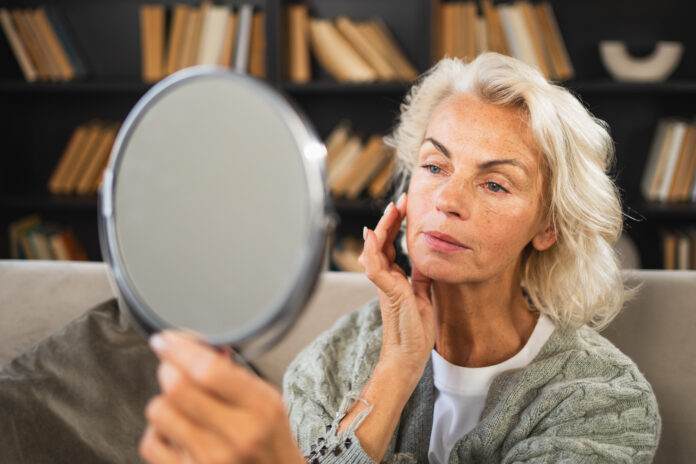
Hidden signs of premature aging that start in your twenties—and how to reverse them before it’s too late
KEY STATISTICS
- People who age rapidly show cellular damage 5-10 years before visible signs appear
- Chronic inflammation can accelerate aging by up to 15 years at the cellular level
- Only 25% of aging is determined by genetics—the rest is lifestyle choices
You’re in your late twenties, maybe early thirties, and you feel invincible. Your friends joke about getting old, but you brush it off—that’s decades away, right? Wrong. Your body might already be aging faster than your birth certificate suggests, and the warning signs are hiding in plain sight.
From the way you recover after a night out to how your skin looks without makeup, subtle changes are revealing whether you’re on the fast track to premature aging or building a foundation for decades of vitality.
What Happens During Aging
Aging isn’t just about wrinkles and gray hair—it’s a complex biological process that begins at the cellular level long before you notice external changes. At the heart of accelerated aging are telomeres, the protective caps on your chromosomes that shorten each time cells divide. When telomeres become critically short, cells stop dividing properly and enter a state called senescence, essentially becoming biological zombies that release inflammatory compounds.
This process, called inflammaging, creates a cascade of damage throughout your body. Your mitochondria, the powerhouses of your cells, also begin producing less energy while generating more harmful free radicals. These unstable molecules attack healthy cells, proteins, and DNA, accelerating the aging process. Meanwhile, your body’s natural antioxidant systems become less efficient at neutralizing this damage.
Advanced glycation end products (AGEs) form when sugars bind to proteins in your blood, creating sticky compounds that stiffen tissues and impair function. Your hormone production begins shifting subtly—growth hormone decreases, cortisol patterns become dysregulated, and insulin sensitivity may decline. Even your gut microbiome, which plays a crucial role in inflammation and immune function, can shift toward a less diverse, more inflammatory state that accelerates aging throughout your body.
Why Your Age Matters
Your twenties and thirties represent a critical window where lifestyle choices have maximum impact on your aging trajectory. This is when your body still has robust repair mechanisms, but they’re beginning to slow down—making it the perfect storm for either accelerated aging or age prevention. Unlike teenagers whose bodies can bounce back from almost anything, or older adults whose aging patterns are more established, people in their late twenties to mid-thirties are at a metabolic crossroads.
Your cellular repair processes are still functioning well enough to reverse damage, but poor lifestyle choices now have compounding effects that will snowball over the next two decades. The stress of early career building, relationship changes, and financial pressures often leads to chronic elevation of cortisol, which directly accelerates cellular aging. Poor sleep habits become entrenched during these years, disrupting the crucial overnight repair processes that clear cellular waste and restore damaged tissues.
Social drinking patterns established in college may persist, but your liver’s ability to process alcohol efficiently is already declining. Your metabolism is naturally slowing, but many people haven’t adjusted their eating habits accordingly, leading to inflammation and metabolic dysfunction.
Early Warning Signs
- You need more than 8 hours of sleep to feel rested, or you wake up feeling tired despite adequate sleep
- Your skin takes longer to bounce back when pinched, or you notice fine lines appearing around your eyes
- You get sick more frequently or take longer to recover from minor illnesses
- Your energy crashes in the afternoon, even after eating lunch
- Small cuts or bruises take noticeably longer to heal than they used to
Proven Anti-Aging Strategies
The good news is that accelerated aging is largely reversible through targeted lifestyle interventions, especially when implemented during your twenties and thirties. Your diet plays the most crucial role—focus on foods that fight inflammation and support cellular repair. Prioritize colorful vegetables and fruits rich in antioxidants, particularly berries, leafy greens, and cruciferous vegetables like broccoli and Brussels sprouts.
These foods provide compounds that directly protect telomeres and reduce inflammatory markers. Include omega-3 rich fish, nuts, and seeds to support cellular membrane health and reduce systemic inflammation. Limit processed foods, excessive sugar, and trans fats, which accelerate AGE formation and promote inflammation. Regular exercise acts like a fountain of youth for your cells—both cardiovascular exercise and strength training have been shown to lengthen telomeres and improve mitochondrial function.
Aim for at least 150 minutes of moderate exercise weekly, including two strength training sessions. High-intensity interval training is particularly effective at boosting cellular repair mechanisms. Stress management is equally critical—chronic stress literally shortens telomeres and accelerates aging. Develop consistent stress-reduction practices like meditation, yoga, or deep breathing exercises. Even 10 minutes daily can measurably impact your cellular age.
Daily Action Checklist
- Start each day with a glass of water containing lemon and a pinch of sea salt to support cellular hydration
- Replace one processed snack daily with a handful of mixed berries or nuts for antioxidant protection
- Set a consistent bedtime and wake time, aiming for 7-9 hours of sleep in a cool, dark room
- Add 10 minutes of stress-reduction practice to your daily routine—meditation, journaling, or deep breathing
- Schedule 20-30 minutes of movement daily, alternating between cardio and strength training throughout the week
The Connection Factor
One of the most overlooked factors in accelerated aging is the quality of your social connections and sense of purpose. Research consistently shows that loneliness and social isolation accelerate cellular aging as much as smoking or obesity.
The chronic stress response triggered by social isolation elevates cortisol and inflammatory markers, directly shortening telomeres and accelerating the aging process. Conversely, strong social bonds and a sense of purpose activate biological pathways that promote cellular repair and longevity. People with robust social networks and clear life purpose show measurably younger cellular ages than their chronologically matched peers.
This is particularly relevant for people in their twenties and thirties, who may be experiencing major life transitions that disrupt social connections—moving to new cities, changing careers, or ending long-term relationships. The solution isn’t just maintaining existing friendships, but actively cultivating meaningful connections and identifying activities that give your life purpose. Volunteer work, community involvement, or pursuing passion projects that serve others can provide the sense of meaning that literally slows aging at the cellular level.
Bottom Line
Your biological age is largely under your control, especially during your twenties and thirties when intervention has maximum impact. The subtle warning signs of accelerated aging—poor recovery, decreased energy, slower healing—are your body’s early warning system, not inevitable consequences of getting older. By focusing on anti-inflammatory foods, consistent sleep, regular movement, stress management, and meaningful social connections, you can literally reverse cellular damage and set yourself up for decades of vitality ahead.
Always consult a qualified healthcare provider before making changes to your health routine.
Sources
- Telomere Length and Cardiovascular Disease Risk — JAMA Cardiology
- Social Relationships and Mortality Risk: A Meta-analytic Review — NEJM
- Cellular Aging and Inflammation Markers — Nature Medicine
- Exercise and Telomere Length in Healthy Adults — British Journal of Sports Medicine
- Sleep Duration and Quality: Impact on Cellular Aging — Sleep Medicine Reviews

