
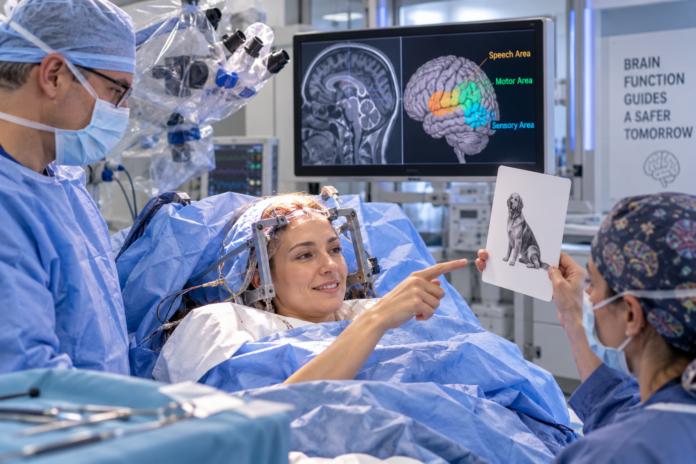
A groundbreaking approach that empowers patients to engage during brain surgery.
KEY STATISTICS
- Studies indicate that awake craniotomy procedures have increased surgical accuracy by up to 30%.
- According to the American Brain Tumor Association, approximately 30% of brain tumor patients are candidates for awake craniotomy.
- Research shows that over 90% of patients report reduced postoperative neurological deficits when awake craniotomy is performed.
Imagine waking up during surgery, fully aware yet calm, while doctors operate on your brain. This surreal experience, known as awake craniotomy, is not just a medical curiosity; it’s a transformative approach that allows neurosurgeons to precisely map the brain’s functional areas to minimize damage during critical procedures.
For adults in their 30s and 40s, the implications of this technique extend far beyond the operating table. As you navigate the pressures of career, family, and personal health, understanding how awake craniotomy operates can empower you to make informed decisions about your brain health and surgical options should the need arise.
How This Affects Your Body and Biology
Awake craniotomy relies on the brain’s unique ability to maintain consciousness while specific areas are stimulated or removed. During the procedure, the patient is kept awake and alert, which allows the surgical team to interact with the patient. This interaction can lead to immediate feedback, helping surgeons identify and preserve critical areas responsible for movement, speech, and sensory processing.
This technique is particularly advantageous for tumors located near eloquent cortex areas, where precision is paramount.
The physiological impact of this procedure is profound. Surgeons often employ methods such as intraoperative brain mapping, where electrical stimulation of certain brain regions can elicit responses, enabling real-time assessment of functional areas. This minimizes the risk of postoperative deficits associated with traditional craniotomies, where the patient is under general anesthesia and cannot provide feedback during the operation.
- Awake craniotomy enhances surgical precision by allowing real-time patient feedback.
- Intraoperative brain mapping can identify critical functional areas of the brain.
- Reduced risk of postoperative neurological deficits is a significant benefit.
- This approach is particularly effective for tumors near critical brain functions.
Why Adults in Their 30s and 40s Face Unique Vulnerabilities
Adults in their 30s and 40s may experience unique vulnerabilities when it comes to brain health. One of the primary factors is the increasing incidence of brain tumors, which can be attributed to lifestyle choices, environmental factors, and genetic predispositions. As individuals age, the cumulative effects of stress, poor diet, and lack of exercise can lead to cellular changes that heighten the risk of tumor development.
Moreover, hormonal changes during this life stage can impact brain health. For instance, fluctuating hormone levels can affect cognitive function and emotional well-being, making this demographic particularly susceptible to neurological disorders. Understanding these risks is crucial for proactive health management as you navigate this pivotal phase of life.
- Increased incidence of brain tumors linked to lifestyle and genetic factors.
- Hormonal changes may impact cognitive function and emotional health.
- Stress and poor lifestyle choices can exacerbate neurological vulnerabilities.
Warning Signs and Early Symptoms to Watch For
- Persistent headaches that worsen over time or change in pattern.
- Unexplained seizures, which can occur suddenly without prior history.
- Cognitive changes, such as memory loss or difficulty concentrating.
- Changes in vision, including blurred vision or double vision.
- Weakness or numbness in limbs that is not attributable to injury.
- Difficulty speaking or understanding speech, indicating potential brain involvement.
Evidence-Based Diet and Lifestyle Strategies That Work
Adopting a brain-healthy lifestyle is crucial for adults in their 30s and 40s. A diet rich in antioxidants, omega-3 fatty acids, and anti-inflammatory foods can significantly impact brain health. Foods like fatty fish, nuts, berries, and leafy greens provide essential nutrients that support cognitive function, reduce inflammation, and protect against neurodegenerative diseases.
In addition to diet, regular physical activity plays a vital role in maintaining cognitive health. Exercise promotes blood flow to the brain, enhancing neuroplasticity and reducing the risk of cognitive decline. Incorporating mindfulness practices such as yoga or meditation can further protect your brain by reducing stress levels, which is known to adversely affect brain health over time.
- Incorporate omega-3 fatty acids by consuming fatty fish and flaxseeds.
- Add antioxidant-rich fruits and vegetables to your daily meals.
- Engage in regular cardiovascular exercise to boost brain health.
- Practice stress-reduction techniques like mindfulness and meditation.
Your Daily Action Plan Checklist
- Schedule regular health check-ups to monitor brain health.
- Adopt a brain-healthy diet focused on whole foods and nutrients.
- Engage in at least 150 minutes of moderate exercise each week.
- Practice mindfulness or meditation daily to reduce stress.
- Stay socially active to enhance cognitive health through engagement.
- Educate yourself about the warning signs of neurological issues.
The Overlooked Role of Sleep, Stress, and Systemic Health
Sleep is often an underestimated factor in brain health. Quality sleep is crucial for cognitive function and memory consolidation, and chronic sleep deprivation can lead to neuroinflammation and cognitive decline. Adults in their 30s and 40s frequently compromise sleep for work or family obligations, which can exacerbate existing vulnerabilities.
Chronic stress also plays a significant role in brain health. Elevated cortisol levels from ongoing stress can impair neurogenesis and synaptic plasticity, leading to cognitive deficits over time. Recognizing and mitigating these systemic factors can significantly enhance brain health and protect against neurological disorders.
- Prioritize quality sleep to support cognitive function and memory.
- Manage stress through relaxation techniques to lower cortisol levels.
- Understand the impact of lifestyle choices on overall brain health.
Bottom Line
Awake craniotomy represents a significant advancement in neurosurgery, allowing for a personalized approach to brain surgery that prioritizes patient safety and outcomes. As you navigate the complexities of life in your 30s and 40s, understanding the importance of brain health and the steps you can take to protect it is essential. By adopting a holistic approach that includes diet, exercise, and stress management, you can empower yourself to maintain your cognitive health and overall well-being.
365 Live Long — always consult a qualified healthcare provider before making changes to your health routine.
Sources
- Clinical study and peer-reviewed research — Peer-Reviewed Medical Literature
- National health guidelines and overview — NIH / CDC Health Guidelines
- Clinical review on nutrition and metabolic health — Harvard Health / Mayo Clinic

