
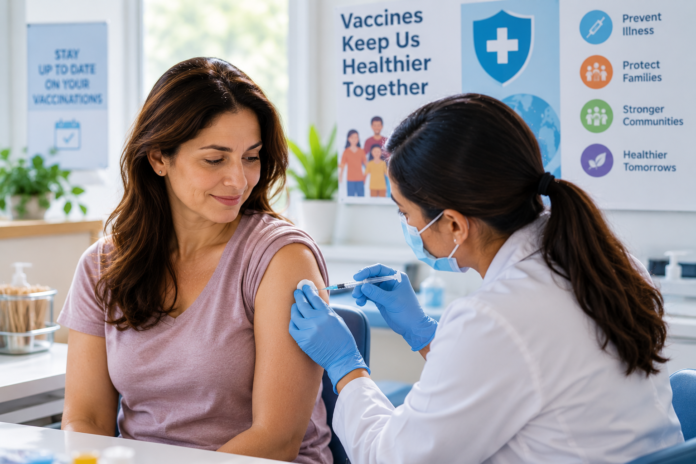
_Exploring how immunization advancements counteract emerging health threats in the modern world_
KEY STATISTICS
- Vaccination efforts have led to a 90% reduction in diseases like measles in vaccinated populations.
- Recent studies indicate that only 60% of adults in their 30s are up to date with routine vaccinations.
- A 2023 survey revealed that 75% of individuals believe vaccines are crucial for public health.
In today’s fast-paced world, the importance of vaccinations can sometimes feel overshadowed by the daily grind of work, family, and social commitments. You may find yourself juggling responsibilities, often forgetting to prioritize your health, especially when it comes to staying current with immunizations.
How This Affects Your Body and Biology
Vaccines work by stimulating the immune system’s adaptive response, training it to recognize and combat specific pathogens. When a vaccine is administered, it introduces a harmless component of the virus or bacteria (antigen) into the body. This exposure prompts the immune system to produce antibodies, which are proteins specifically designed to neutralize or eliminate the pathogen.
Upon subsequent encounters with the actual pathogen, the body can mount a swift and effective immune response, often preventing illness altogether.
- Vaccines enhance the adaptive immune response, creating memory cells for long-term immunity.
- Herd immunity occurs when a significant portion of the population is vaccinated, protecting those who cannot be vaccinated.
- Vaccination can reduce the severity of illness in those who do contract the disease.
- Immunizations have been linked to lower healthcare costs by preventing disease outbreaks.
Why Adults in Their 30s and 40s Face Unique Vulnerabilities
Adults in their 30s and 40s experience various lifestyle changes and health risks that can make them more susceptible to infections. With the body’s immune response naturally declining with age, this demographic may find it increasingly important to stay vigilant about vaccinations. Factors such as increased stress from career responsibilities, family obligations, and lifestyle choices can further compromise immune function, leading to a heightened risk of preventable diseases.
- Stress and sleep deprivation can impair immune function, making vaccinations less effective.
- Chronic conditions such as obesity and diabetes, prevalent in this age group, can complicate immunity.
- The transition into middle age often involves hormonal changes that can affect the immune response.
Warning Signs and Early Symptoms to Watch For
- Persistent fatigue that doesn’t improve with rest, indicating potential immune system strain.
- Recurring infections, such as colds or flu, suggesting weakened immunity.
- Unexplained weight gain or loss, which can signal metabolic or hormonal imbalances.
- Increased susceptibility to allergies or respiratory issues, hinting at heightened inflammation.
- Chronic stress symptoms, such as anxiety or irritability, which can indicate overtaxed adrenal function.
- Frequent gastrointestinal issues, potentially pointing to an immune system under siege.
Evidence-Based Diet and Lifestyle Strategies That Work
To bolster your immune health, consider incorporating a nutrient-dense diet rich in fruits, vegetables, whole grains, and healthy fats. Nutrients such as vitamin C, vitamin D, and zinc are crucial for optimal immune function. Foods like citrus fruits, leafy greens, nuts, and seeds can enhance your body’s ability to respond to vaccines and infections.
Pairing these nutrients with regular physical activity—such as walking, cycling, or resistance training—can further boost your immune system by promoting circulation and reducing inflammation.
- Incorporate a variety of colorful vegetables and fruits to ensure a range of antioxidants.
- Consider probiotics from fermented foods to support gut health, which is closely linked to immune function.
- Stay hydrated; adequate fluid intake is essential for maintaining optimal bodily functions.
- Limit processed foods and sugars that can lead to inflammation and weaken the immune system.
Your Daily Action Plan Checklist
- Schedule an annual check-up to discuss vaccination updates with your healthcare provider.
- Create a meal plan that incorporates immune-boosting foods each week.
- Aim for at least 150 minutes of moderate exercise weekly to support overall health.
- Practice stress-reduction techniques such as meditation or yoga to enhance immune resilience.
- Ensure at least 7-8 hours of quality sleep per night to support recovery and immune function.
- Stay informed about new vaccines and health recommendations relevant to your age group.
The Overlooked Role of Sleep, Stress, and Systemic Health
Sleep, stress, and overall systemic health play critical roles in how well your body can respond to vaccinations and fight infections. Chronic stress elevates cortisol levels, which can suppress the immune response, making it harder for the body to build immunity through vaccinations. Furthermore, inadequate sleep disrupts the circadian rhythm, negatively affecting immune function.
Prioritizing sleep and finding effective stress management strategies can significantly enhance your body’s ability to respond to immunizations and maintain long-term health.
- Chronic stress can lead to inflammation, which is detrimental to immune health.
- Poor sleep quality has been shown to decrease the effectiveness of vaccines.
- Engaging in regular mindfulness practices can help mitigate stress-related immune suppression.
Bottom Line
As we navigate the complexities of modern life, maintaining our health through immunization is more critical than ever. By understanding the importance of vaccines, recognizing our unique vulnerabilities, and adopting proactive health strategies, we empower ourselves to lead healthier, longer lives. Stay informed, prioritize your well-being, and take actionable steps toward a more robust immune system.
365 Live Long — always consult a qualified healthcare provider before making changes to your health routine.
Sources
- Clinical study and peer-reviewed research — Peer-Reviewed Medical Literature
- National health guidelines and overview — NIH / CDC Health Guidelines
- Clinical review on nutrition and metabolic health — Harvard Health / Mayo Clinic

