
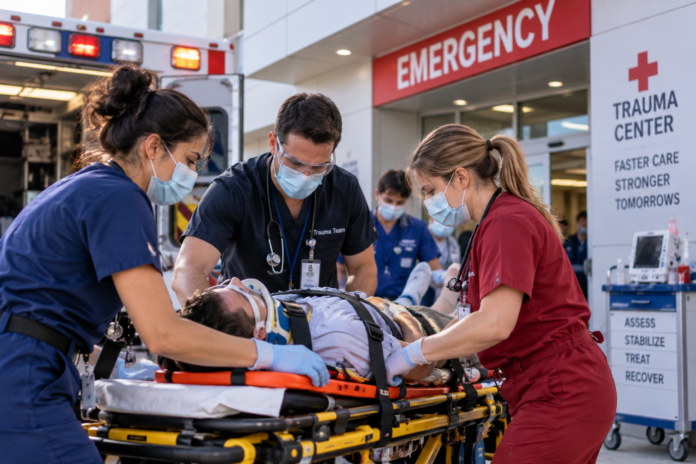
Understanding the nuanced differences in trauma care can empower you to advocate for yourself and your loved ones.
KEY STATISTICS
- Approximately 50% of adults experience at least one traumatic event in their lifetime, with 20% developing PTSD (Source: National Institute of Mental Health).
- Trauma-related emergency visits account for over 30 million hospital admissions annually in the U.S. alone (Source: CDC).
- Only 30% of patients receive adequate follow-up care after a traumatic injury, highlighting a gap in trauma care (Source: Journal of Trauma and Acute Care Surgery).
Consider this: you’re driving home from a long day at work, your mind drifting to dinner plans, when suddenly, a car swerves into your lane, and in an instant, your world is turned upside down. The aftermath of such a traumatic event often leaves individuals grappling not just with physical injuries, but also with a complex web of emotional and psychological challenges. Understanding the variations in trauma care is essential—not just for those directly affected, but for anyone who may find themselves in a similar situation.
Trauma care varies significantly, influenced by factors such as the nature of the injury, the healthcare system in place, and even the individual’s unique physiology. This article delves into the intricacies of trauma care, emphasizing its biological mechanisms, the distinctive vulnerabilities faced by adults in their 30s and 40s, and actionable strategies to improve health outcomes post-trauma.
How This Affects Your Body and Biology
When a traumatic event occurs, the body enters a state of hyperarousal, driven by the activation of the hypothalamic-pituitary-adrenal (HPA) axis. This physiological response triggers the release of stress hormones such as cortisol and adrenaline, which prepare the body to react. While this response can be life-saving in acute situations, prolonged exposure to elevated stress hormones can result in systemic health issues, including immune dysfunction, metabolic disturbances, and psychological disorders.
In the aftermath of trauma, the body experiences significant inflammatory responses. Cytokines, small proteins that mediate immune responses, become elevated, leading to inflammation that can affect various organ systems. This inflammation can contribute to chronic conditions, such as cardiovascular disease or autoimmune disorders, further complicating recovery and highlighting the necessity for comprehensive trauma care that addresses both physical and psychological needs.
- The HPA axis is critical in the body’s stress response, affecting various physiological functions.
- Elevated cortisol can lead to immune system suppression, increasing susceptibility to infections.
- Cytokine release during trauma can induce systemic inflammation, impacting recovery and long-term health.
- Understanding these biological mechanisms helps in tailoring effective trauma care strategies.
Why Adults in Their 30s and 40s Face Unique Vulnerabilities
Adults in their 30s and 40s often deal with unique vulnerabilities when it comes to trauma. This demographic experiences hormonal fluctuations, particularly related to cortisol and testosterone, which can influence stress responses and recovery. Increased cortisol levels can impair cognitive function and emotional resilience, making it essential for individuals in this age group to recognize the signs of trauma and seek timely intervention.
Additionally, metabolic changes that occur with aging can complicate recovery from trauma. Adults in their 30s and 40s may experience a gradual decline in muscle mass and metabolic rate, which can hinder physiological recovery processes. Poor diet, sedentary lifestyles, and chronic stress can exacerbate these issues, leading to a cycle of poor health outcomes and diminished quality of life.
- Hormonal fluctuations can affect stress response and emotional resilience.
- Metabolic changes with age can hinder recovery and increase vulnerability to chronic conditions.
- Poor lifestyle choices can exacerbate the impact of trauma on health.
Warning Signs and Early Symptoms to Watch For
- Increased heart rate: A persistent elevated heart rate can indicate ongoing stress responses.
- Insomnia: Difficulty falling or staying asleep can be a sign of trauma-related anxiety.
- Persistent physical pain: Unexplained aches and pains may stem from emotional distress.
- Mood swings: Sudden changes in mood can signal emotional turmoil following a traumatic event.
- Social withdrawal: Avoidance of social interactions can indicate deeper psychological issues.
- Flashbacks or intrusive thoughts: Re-experiencing the trauma can severely impact daily functioning.
Evidence-Based Diet and Lifestyle Strategies That Work
Adopting a nutrient-rich diet and healthy lifestyle choices can significantly aid in recovery from trauma. Foods rich in omega-3 fatty acids, such as salmon and walnuts, have been shown to reduce inflammation and support brain health, which is crucial for managing trauma-related stress. Incorporating antioxidants from fruits and vegetables can also combat oxidative stress, while whole grains help maintain stable blood sugar levels, reducing mood swings and anxiety.
In addition to dietary changes, integrating regular physical activity into daily routines can enhance recovery. Exercise releases endorphins, the body’s natural painkillers, and can mitigate feelings of stress, anxiety, and depression. Mindfulness practices, such as yoga and meditation, can also be beneficial, fostering emotional resilience and reducing the physiological impacts of stress.
- Incorporate omega-3 fatty acids for their anti-inflammatory properties.
- Focus on antioxidant-rich foods to combat oxidative stress.
- Engage in regular physical activity to boost mood and resilience.
- Practice mindfulness techniques to enhance emotional well-being.
Your Daily Action Plan Checklist
- Monitor your physical and emotional symptoms regularly.
- Incorporate a balanced diet rich in omega-3s and antioxidants.
- Establish a consistent exercise routine, aiming for at least 150 minutes of moderate activity per week.
- Practice mindfulness or relaxation techniques daily.
- Seek professional help if symptoms persist or worsen.
- Engage in social activities to foster connections and support.
The Overlooked Role of Sleep, Stress, and Systemic Health
Sleep plays a critical role in trauma recovery, as restorative sleep is essential for healing both the body and mind. Chronic sleep deprivation can exacerbate stress responses, impair cognitive function, and hinder emotional regulation. Adults in their 30s and 40s, who often juggle work and family responsibilities, may find it challenging to prioritize sleep.
However, establishing a consistent sleep schedule and creating a restful environment can significantly impact recovery.
Moreover, chronic stress can lead to elevated cortisol levels, which not only affect mood and cognition but also contribute to systemic health issues such as hypertension and diabetes. Addressing chronic stress through lifestyle changes, therapy, or stress management techniques is crucial for improving overall health following trauma, making it essential to view trauma care through a holistic lens.
- Prioritize sleep hygiene to enhance recovery and emotional regulation.
- Manage chronic stress to reduce the long-term effects of trauma.
- Consider holistic approaches that encompass physical, emotional, and systemic health.
Bottom Line
Trauma care is not just about addressing immediate injuries; it encompasses a comprehensive approach that considers the biological, psychological, and lifestyle factors at play. Recognizing the variations in trauma care can empower you to take proactive steps in your healing journey, advocating for your health and well-being. By understanding the unique challenges faced by adults in their 30s and 40s, you can better navigate the complex landscape of trauma recovery, ensuring a path toward sustained health and resilience.
365 Live Long — always consult a qualified healthcare provider before making changes to your health routine.
Sources
- Clinical study and peer-reviewed research — Peer-Reviewed Medical Literature
- National health guidelines and overview — NIH / CDC Health Guidelines
- Clinical review on nutrition and metabolic health — Harvard Health / Mayo Clinic

