
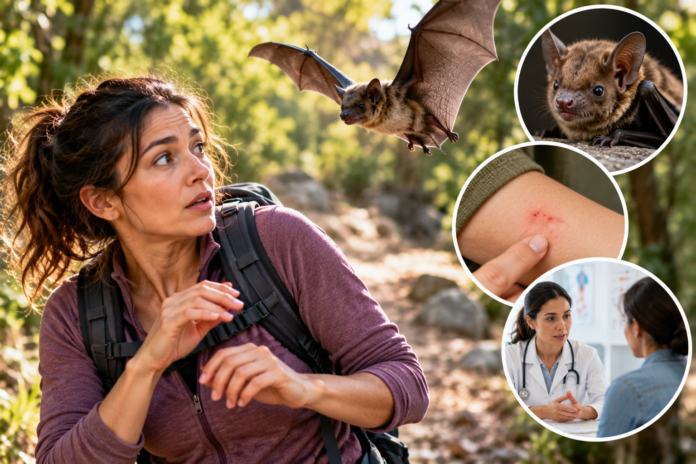
Understanding the potential health implications and preventive measures following an encounter with a bat
KEY STATISTICS
- Rabies transmission occurs in less than 1% of bat bites, but it’s critical to seek medical advice immediately in such cases.
- According to the CDC, bats are responsible for approximately 70% of rabies cases in the U.S. annually.
- The incidence of rabies in bats is about 0.5% to 2%, demonstrating low but significant risk.
Imagine returning home from a hike, your heart racing not just from the exercise, but from the unexpected encounter with a bat that fluttered too close for comfort. You might dismiss it as a harmless moment, but what if that bat touched you? Understanding the implications of such an encounter is crucial for your health, especially as adults in your 30s and 40s navigate their well-being amidst myriad responsibilities and health considerations.
As you brush off the encounter, consider the potential risks associated with bat interactions. Bats are known carriers of rabies, a viral infection that can have severe consequences. This article aims to equip you with the knowledge of what to do if you find yourself in this situation, the biological mechanisms at play, and the preventive measures you can take to safeguard your health.
How This Affects Your Body and Biology
When a bat touches you, the primary concern is the potential transmission of rabies. Rabies is caused by the rabies virus, which is present in the saliva of infected animals. If the virus enters the body—typically through a bite or scratch—it travels along peripheral nerves towards the central nervous system.
This process can take weeks to months, but once symptoms appear, rabies is nearly always fatal. The virus binds to nicotinic acetylcholine receptors on neurons, facilitating its entry into the nervous system, where it can replicate and spread.
In addition to rabies, bats can also carry other zoonotic diseases, such as histoplasmosis and Bartonella. Histoplasmosis is caused by inhaling spores from the fungus Histoplasma capsulatum, which can be found in bat droppings. Symptoms can range from mild flu-like signs to severe respiratory issues, particularly in immunocompromised individuals.
Understanding these biological pathways is essential for recognizing the potential consequences of a bat encounter.
- Rabies virus infects peripheral nerves before reaching the central nervous system, leading to severe outcomes.
- Virus transmission typically occurs through saliva, necessitating immediate medical attention after a bat touch.
- Other diseases like histoplasmosis can arise from bat droppings, impacting respiratory health.
- Immediate action can prevent rabies onset, which is almost universally fatal once symptoms manifest.
Why Adults in Their 30s and 40s Face Unique Vulnerabilities
Adults in their 30s and 40s are at a unique intersection of health and lifestyle factors that may increase their vulnerability to zoonotic diseases. As individuals age, the immune system’s efficiency begins to decline, leading to a slower response to infections. This age group often balances busy careers and family responsibilities, which can lead to chronic stress and compromised immune function.
Moreover, metabolic changes that accompany aging can affect how the body processes infections and recovers from illness, making timely medical intervention crucial after a bat encounter.
Additionally, lifestyle factors such as diet, exercise, and sleep patterns can influence overall health and resilience against infections. Adults in this demographic are often juggling responsibilities that may lead to compromised sleep quality and increased stress levels, further weakening their immune response. Understanding these age-related vulnerabilities is essential for recognizing the importance of prompt medical attention and preventative measures following an encounter with a bat.
- Immune system function declines with age, impacting response to infections.
- Chronic stress from balancing work and family may impair overall health resilience.
- Lifestyle factors, such as sleep and diet, significantly influence immune response and recovery.
Warning Signs and Early Symptoms to Watch For
- Fever: A sudden onset of fever can indicate an infection or the onset of rabies.
- Unusual behavior: Changes in mood or behavior, such as irritability or confusion, can be early signs of rabies.
- Pain or tingling: Localized pain or unusual sensations at the site of contact may suggest nerve involvement.
- Respiratory symptoms: Coughing, wheezing, or difficulty breathing could signal histoplasmosis, especially if exposure to bat droppings occurred.
- Headache: Persistent or severe headaches can indicate various infections, including rabies.
- Muscle weakness: Generalized weakness or paralysis can be a sign of rabies progression.
Evidence-Based Diet and Lifestyle Strategies That Work
Maintaining a strong immune system is vital for adults in their 30s and 40s, particularly in the wake of potential exposure to zoonotic diseases. A diet rich in antioxidants, vitamins, and minerals can bolster your immune defenses. Incorporate foods high in vitamin C, such as citrus fruits, and zinc-rich foods like nuts and seeds.
Omega-3 fatty acids, found in fatty fish and flaxseeds, can also support immune function and reduce inflammation.
In addition to dietary measures, lifestyle modifications can make a significant difference. Regular physical activity not only enhances immune response but also reduces stress levels, promoting overall health. Aim for at least 150 minutes of moderate exercise weekly.
Prioritizing sleep hygiene is equally important; adults should strive for 7-9 hours of quality sleep each night to support recovery and immune resilience. Mindfulness practices, such as meditation and yoga, can help manage stress, further protecting your immune system.
- Consume a diet rich in antioxidants, vitamins C and E, and zinc to strengthen immunity.
- Incorporate omega-3 fatty acids to reduce inflammation and support overall health.
- Engage in regular physical activity to enhance immune function and reduce stress.
- Prioritize sleep hygiene to ensure adequate rest and recovery for the immune system.
Your Daily Action Plan Checklist
- If touched by a bat, seek medical advice immediately, even if there are no immediate symptoms.
- Monitor for early warning signs such as fever or unusual behavior.
- Maintain a balanced diet rich in vitamins and minerals to support immune health.
- Engage in regular exercise to boost overall well-being and reduce stress.
- Practice good sleep hygiene by creating a restful environment and sticking to a sleep schedule.
- Incorporate stress-reduction techniques like mindfulness or yoga into your daily routine.
The Overlooked Role of Sleep, Stress, and Systemic Health
Sleep and stress management play critical roles in your body’s ability to fend off infections, including those potentially contracted from bats. Chronic sleep deprivation can impair immune function, making the body more susceptible to infections. Research indicates that individuals who get less than 7 hours of sleep per night are nearly three times more likely to catch a cold, underscoring the importance of restorative sleep for immune health.
Conversely, chronic stress leads to elevated cortisol levels, which can suppress the immune response and promote inflammation. High cortisol levels can also interfere with sleep quality, creating a vicious cycle that exacerbates health vulnerabilities. Understanding this interplay between sleep, stress, and systemic health can provide valuable insights into protecting yourself after a bat encounter.
- Chronic sleep deprivation significantly weakens immune function.
- High stress levels can lead to elevated cortisol, impairing immune response.
- Practicing good sleep habits can enhance resilience against infections.
Bottom Line
Encountering a bat can spark anxiety about potential health risks, but understanding the biological implications and recognizing the importance of prompt action can greatly mitigate those fears. By prioritizing your health through diet, lifestyle adjustments, and stress management, you can enhance your immune defenses and navigate the complexities of health in your 30s and 40s with greater confidence and resilience. Remember, proactive measures and timely medical advice are your best allies in maintaining your well-being.
365 Live Long — always consult a qualified healthcare provider before making changes to your health routine.
Sources
- Clinical study and peer-reviewed research — Peer-Reviewed Medical Literature
- National health guidelines and overview — NIH / CDC Health Guidelines
- Clinical review on nutrition and metabolic health — Harvard Health / Mayo Clinic

