
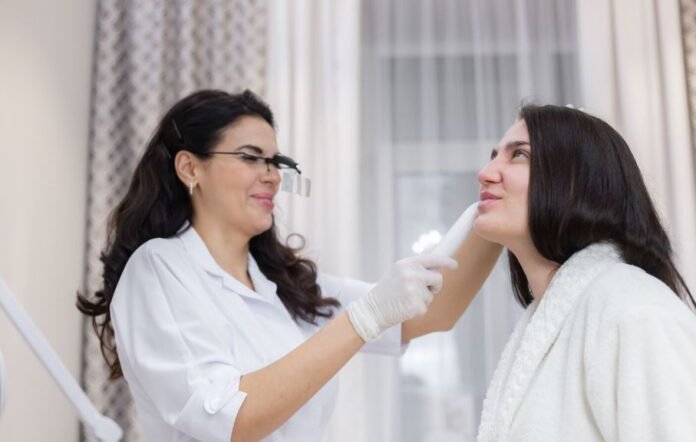
Your skin loses hydration long before thirst kicks in — and the early signs are written all over your face.
KEY STATISTICS
- Up to 75% of adults are chronically under-hydrated without knowing it, according to research published in the National Library of Medicine.
- Skin elasticity begins to decline measurably when the body is just 1–2% dehydrated — well before thirst signals are triggered, per NIH data.
- The average adult loses approximately 2.5 litres of water daily through breathing, sweat, and waste — much of which is never fully replaced.
You moisturise every morning. You drink coffee, maybe some juice. But by midday, your skin looks dull, tight, and somehow older than it should.
The problem is not on the surface — it is happening underneath it.
What Dehydration Does Inside
Your skin is made up of roughly 64% water, and it depends on internal hydration to maintain structure, elasticity, and that healthy plumpness you associate with youth. When fluid levels drop, the skin’s dermal layer — where collagen and elastin fibres live — loses its support system.
The result is skin that looks flat, creases more easily, and loses its ability to snap back into place quickly. This process is called reduced skin turgor, and it is one of the earliest clinical signs of dehydration that doctors actually check for.
What makes this tricky is that your thirst mechanism is notoriously delayed. By the time your brain registers thirst, your skin has often already been operating on a deficit for hours. The body prioritises water delivery to vital organs first — skin is last in line.
Why Your 30s Matter
Most people in their 20s and 30s assume dehydration is something that happens to athletes or older adults. In reality, this age group is one of the most at risk — and the least likely to notice.
High stress levels, caffeine intake, frequent exercise, and long hours in air-conditioned or heated environments all accelerate fluid loss. Many adults in this age range also drink far more diuretic beverages — coffee, alcohol, energy drinks — than plain water throughout the day.
This is also the decade when the foundations of how your skin ages are being laid. Chronic low-grade dehydration during your 30s can accelerate the appearance of fine lines, uneven texture, and dullness — changes that become increasingly difficult to reverse later on.
Warning Signs to Watch For
- Skin that feels tight or rough by midday even after moisturising in the morning
- Fine lines around the eyes or mouth that appear worse in the afternoon than in the morning
- Skin that takes more than a second to flatten after being gently pinched on the back of the hand
- A dull, grey, or flat complexion that does not respond well to skincare products
- Dark circles and puffiness that persist even after a full night of sleep
What Actually Helps
The most effective strategy is not drinking eight glasses all at once — that simply overwhelms the kidneys. Consistent, spaced hydration throughout the day is what actually reaches and benefits skin tissue.
Foods with high water content — cucumber, celery, watermelon, oranges, spinach, and tomatoes — contribute meaningfully to your daily intake. Around 20% of your fluid needs can realistically come from food alone, according to the Mayo Clinic.
Electrolytes matter too. Sodium, potassium, and magnesium help water move into cells rather than pass straight through. If you drink a lot of plain water but still feel dehydrated, you may be flushing electrolytes out faster than you are replacing them.
Limiting caffeine before noon and alternating every alcoholic drink with a glass of water are two small adjustments that make a real difference to skin hydration over time.
Action Plan Checklist
- Drink 250–300ml of water within 30 minutes of waking up, before coffee or food
- Set a soft target of 2–2.5 litres of total fluid per day, adjusting upward if you exercise or are in a warm environment
- Add one high-water-content food to at least two meals per day — cucumber, spinach, oranges, or broth all count
- Do a simple skin turgor check weekly: gently pinch the skin on the back of your hand and release — it should flatten in under a second
- Consider a low-sugar electrolyte supplement or add a small pinch of sea salt to morning water if you regularly consume coffee or exercise intensely
The Overlooked Indoor Factor
One factor almost no one connects to skin dehydration is indoor air quality. Air conditioning and central heating both strip moisture from the environment — and from your skin — at a rate that most people dramatically underestimate.
If you spend long hours in a climate-controlled office or sleep in a heated bedroom, your skin is losing moisture through the air continuously, even while you are sitting still. This is called transepidermal water loss, and it can account for a meaningful chunk of daily fluid depletion.
A small humidifier in your bedroom or workspace can reduce this background moisture loss. It is one of the simplest environmental changes you can make — and unlike most skincare products, it addresses the problem from both the inside and the outside at the same time.
Bottom Line
Skin dehydration is not a cosmetic problem — it is a physiological one, and it starts long before you feel thirsty. If your skin looks dull, creases easily, or feels tight by midday, your body is giving you a clear signal. Consistent hydration, real food, and smarter habits are the only things that actually fix it.
Always consult a qualified healthcare provider before making changes to your health routine.
Sources
- Hydration and Skin: Overview and Analysis — International Journal of Cosmetic Science
- Water, Hydration and Health — Nutrition Reviews — National Library of Medicine
- Dietary Reference Intakes for Water, Potassium, Sodium, Chloride, and Sulfate — National Academies of Sciences, Engineering, and Medicine
- Skin hydration and moisturisation: clinical review — Mayo Clinic Proceedings
- Dehydration clinical assessment and management — NIH — National Institute on Aging

